Answer Details
User
User 215
Model
ChatGPT5
Created At
Result
If you’re building a SaaS startup and evaluating cloud platforms, here are four of the **most highly-recommended cloud providers** — along with what makes each a strong fit, and key trade-offs for startups.
---
## 1. Amazon Web Services (AWS)

**Why it’s popular for SaaS startups:**
* AWS is the largest cloud provider by market share and maturity, with an extremely broad service catalog (compute, storage, databases, serverless, ML/AI) so you can scale up into many directions. ([CloudZero][1])
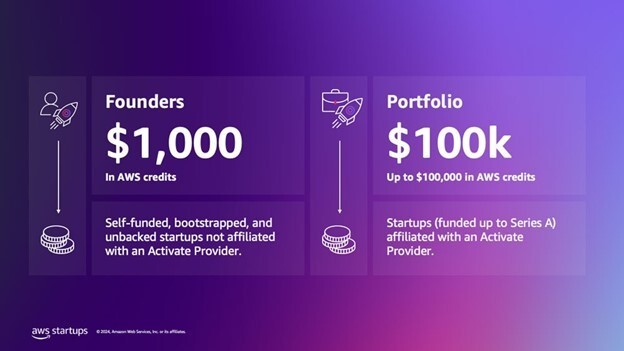
* Startup programs & credits: AWS supports startup-ecosystems, which helps reduce cost risk early on. ([Reuters][2])
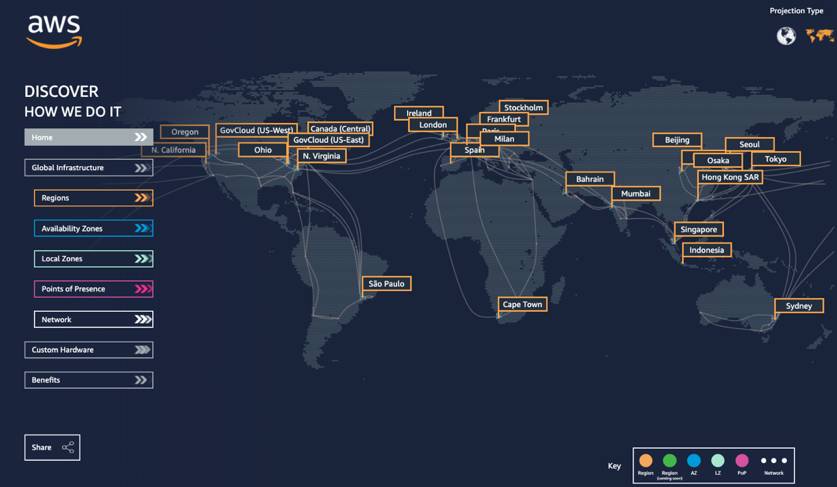
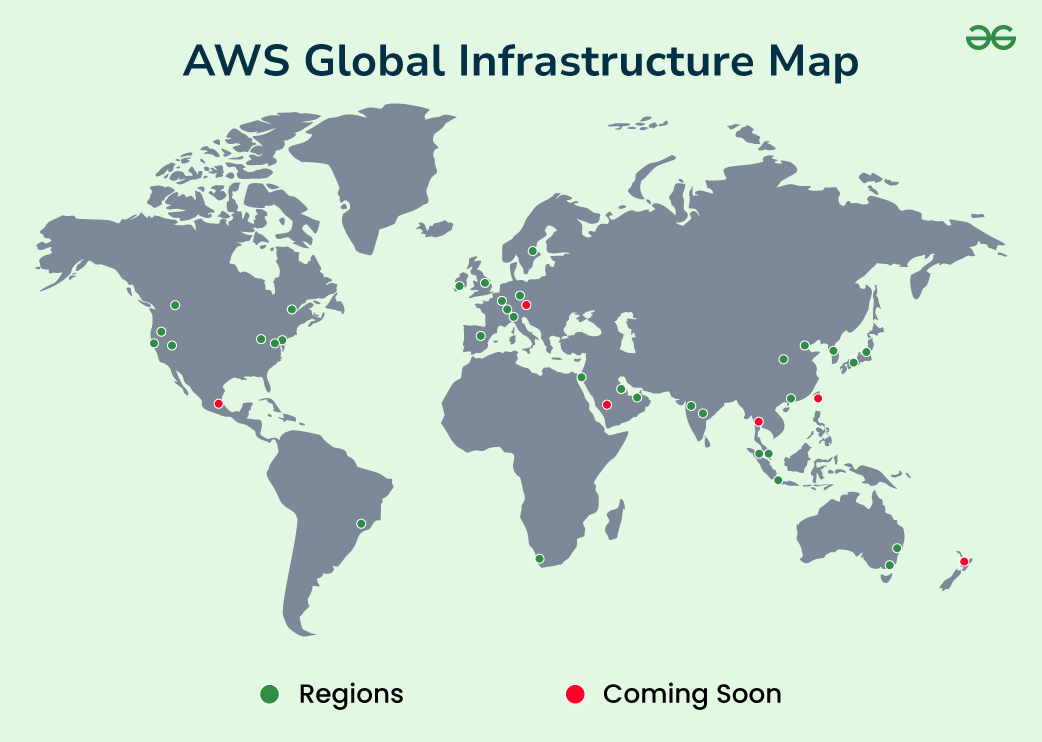
* Very strong global infrastructure footprint (many regions, many availability zones) → good for SaaS that will expand internationally or require redundancy.
**What to watch / potential trade-offs:**
* Complexity: Because it offers *everything*, the learning curve is steep; managing cost, architecture and services can become challenging.
* Cost drift: With pay-as-you-go and many services, if you’re not monitoring usage you might get surprised by bills.
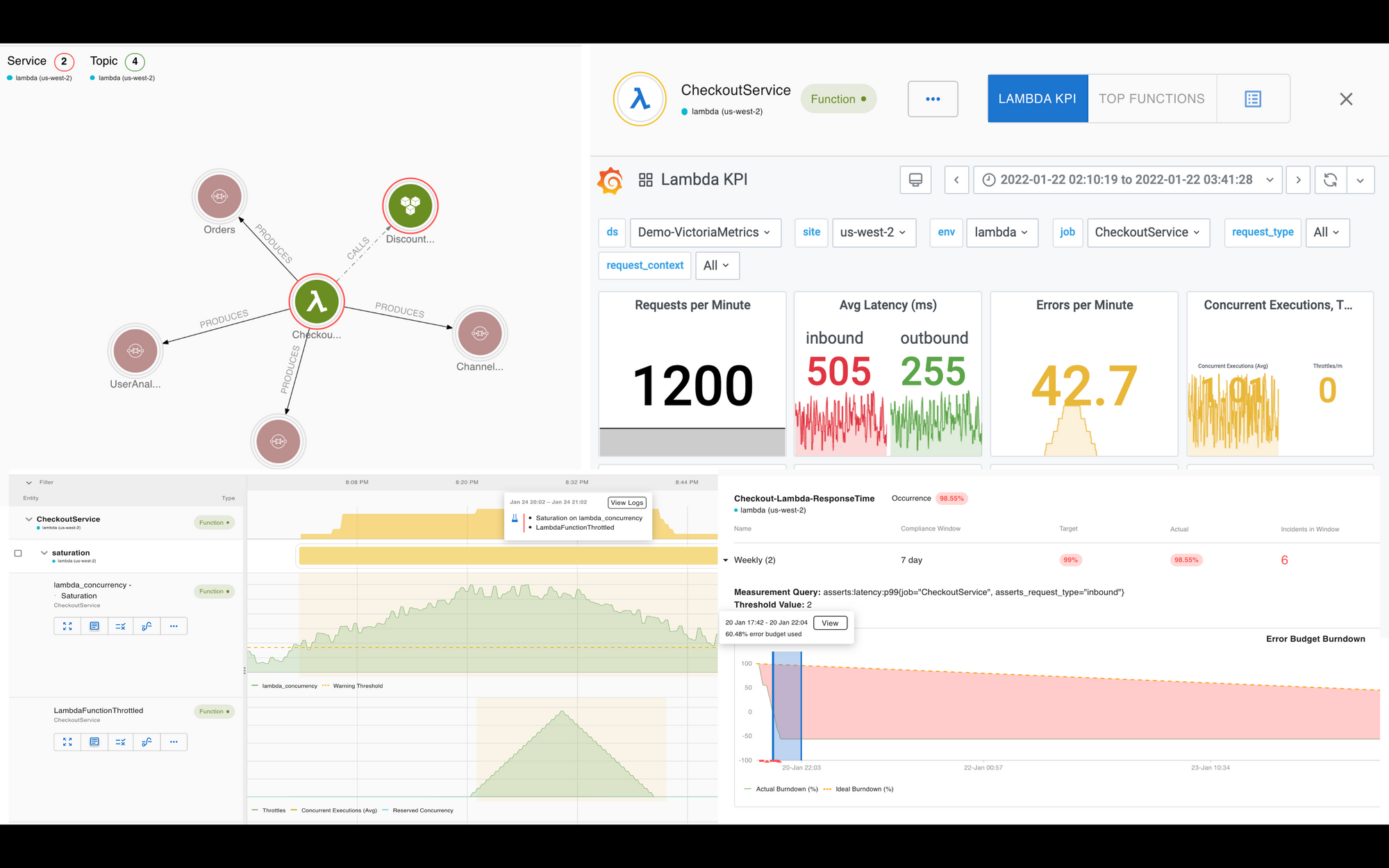
* Vendor lock-in risk: Once you build using many native AWS services (e.g., Lambda, DynamoDB, S3), migrating off is non-trivial.
**Fit for SaaS startups:** Great all-round choice, especially if you expect to scale, need global reach, or want full flexibility. If you’re very early and simple, might be more than needed.
---
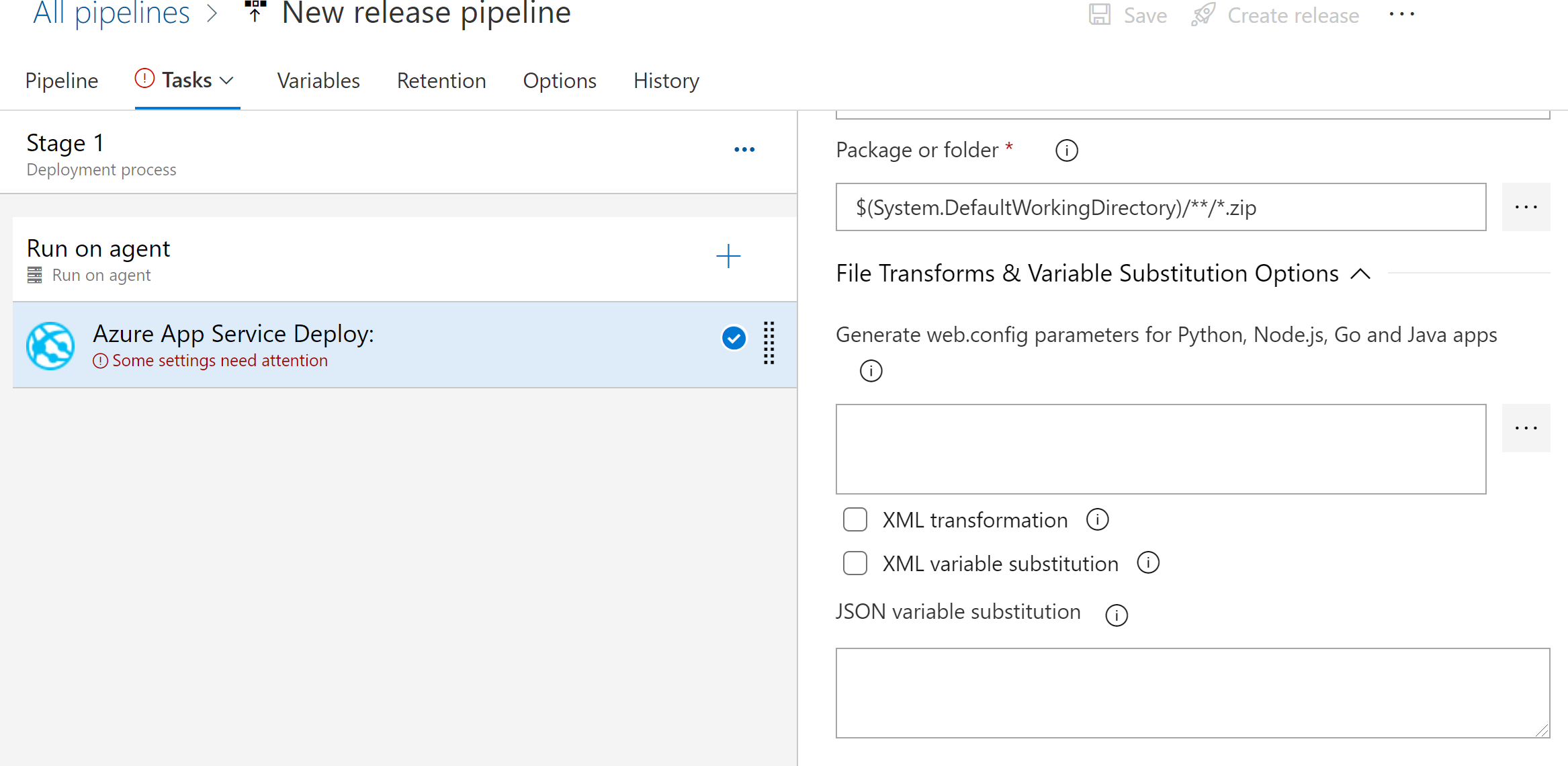
## 2. Microsoft Azure


**Why it’s a strong contender:**
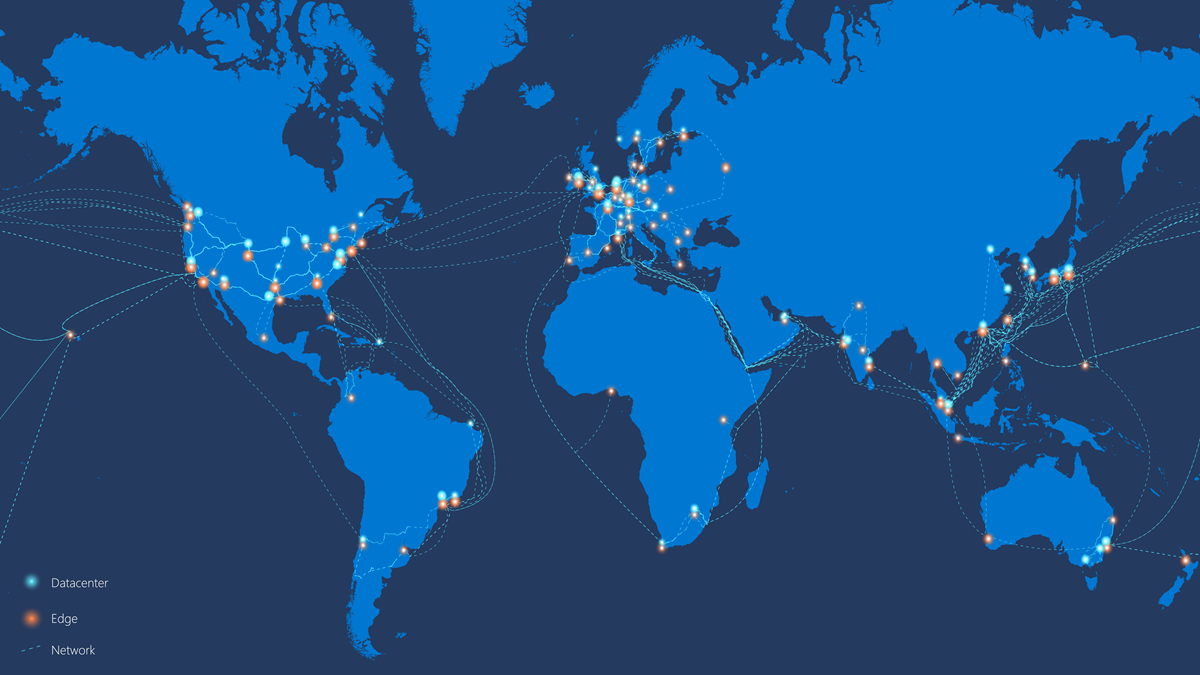
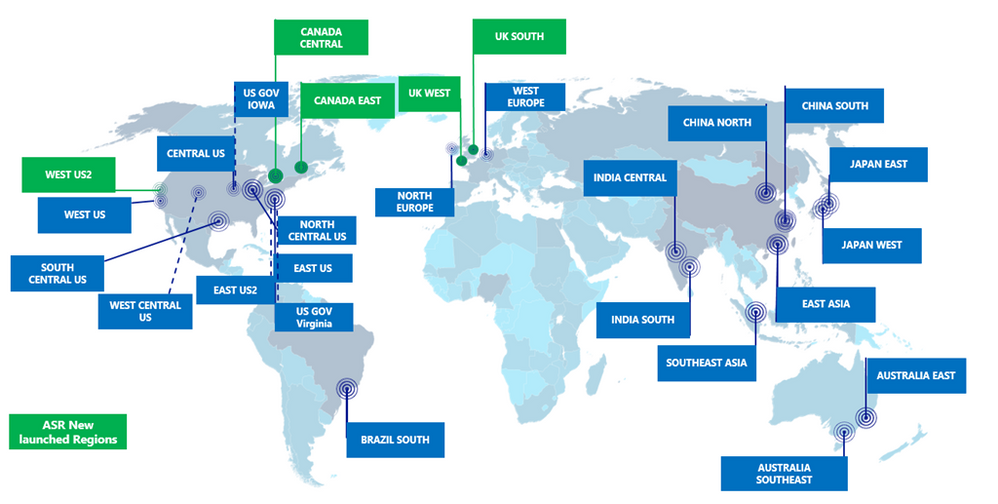
* Azure has strong enterprise-credentials (security, compliance, hybrid cloud) which means if you’re building a SaaS targeting corporate customers or regulated industries, this can help. ([Startup Geek][3])
* It integrates well if you expect to interface with Microsoft technologies (Windows, .NET, Active Directory etc).
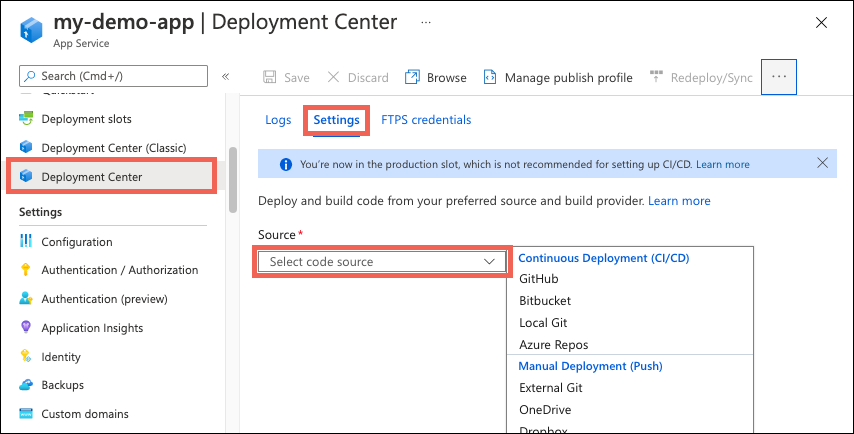
* Startup support programs and credits also exist (though specifics vary by region).
**Trade-offs:**
* Slightly less “pure startup identity” in the sense of minimal overhead, compared with some lighter-weight clouds.
* If your stack is non-Microsoft and you don’t need the hybrid/enterprise features, some of that value may be less relevant.
**Fit for SaaS startups:** Very good if you foresee growth into enterprise customers, need compliance, or leverage Microsoft technologies. If you’re very small and building lightweight SaaS, the simpler providers may suffice.
---
## 3. Google Cloud Platform (GCP)


**Why startups like GCP:**
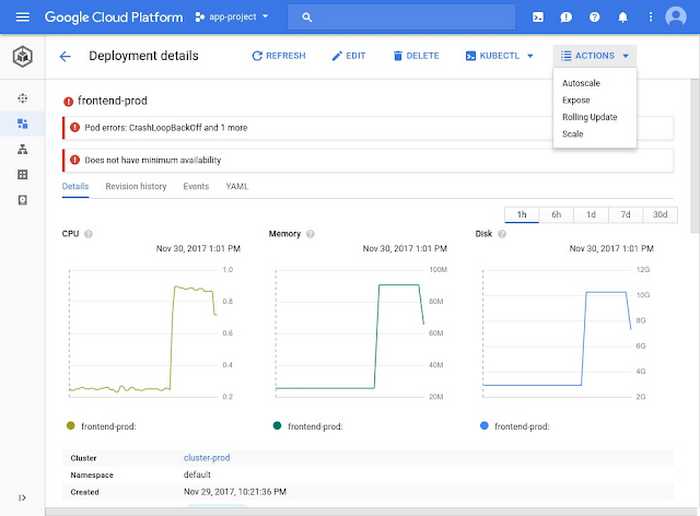
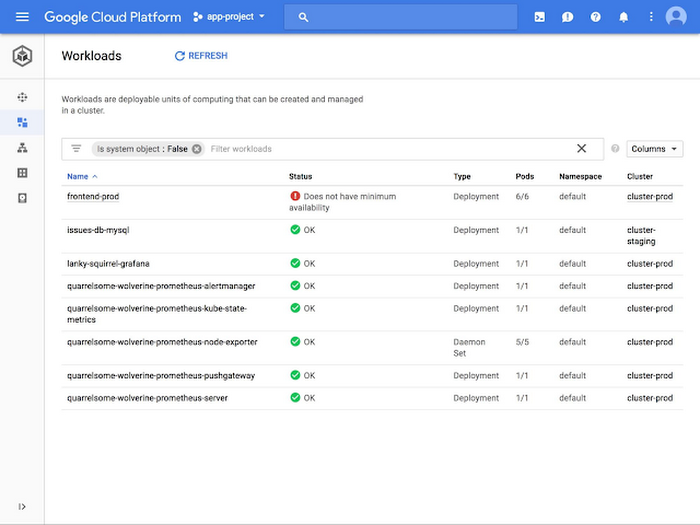
* Strong in modern developer-friendly tooling: e.g., managed Kubernetes (GKE), serverless, data/analytics tools like BigQuery. ([Zeet][4])
* Startup-friendly: many programs/credits for young companies. ([Startup Geek][3])
* Good for companies that emphasize data/analytics/ML, or want a simpler developer experience.
**Trade-offs:**
* Slightly smaller global footprint than AWS (fewer regions) which may matter if you need very wide geographic presence. ([Startup Geek][3])
* If you later need certain niche services or enterprise features, AWS/Azure may have a larger catalogue.
**Fit for SaaS startups:** Particularly strong if your product is data-intensive, uses containers/Kubernetes, or you value simplicity and startup-friendly ecosystem.
---
## 4. DigitalOcean (and other lighter-weight clouds)




**Why it merits mention:**
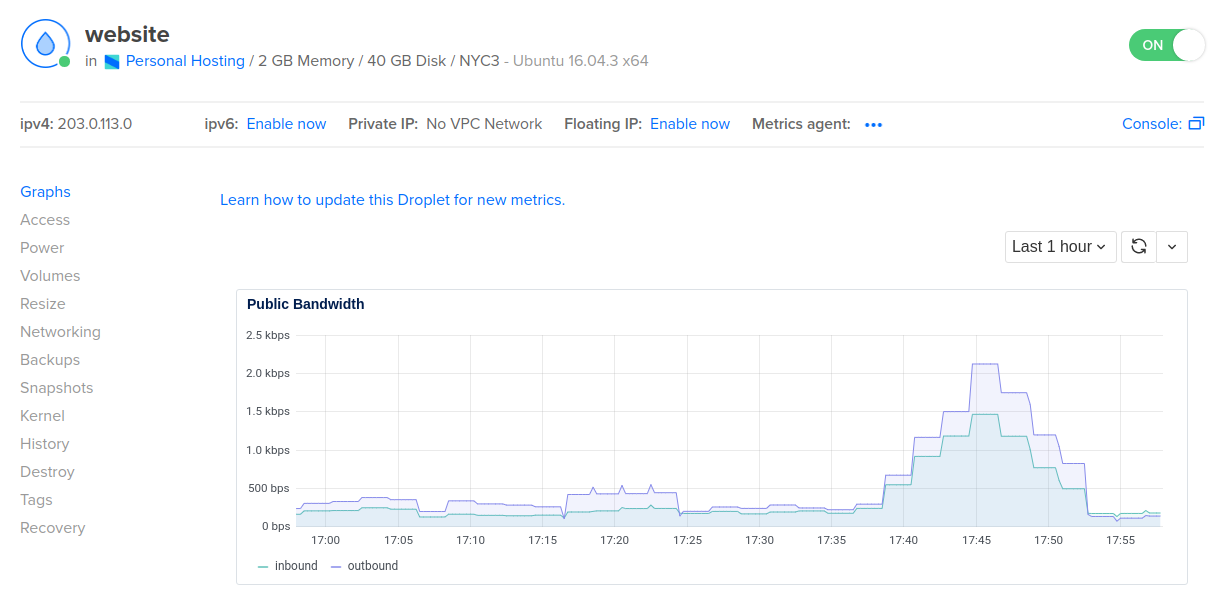
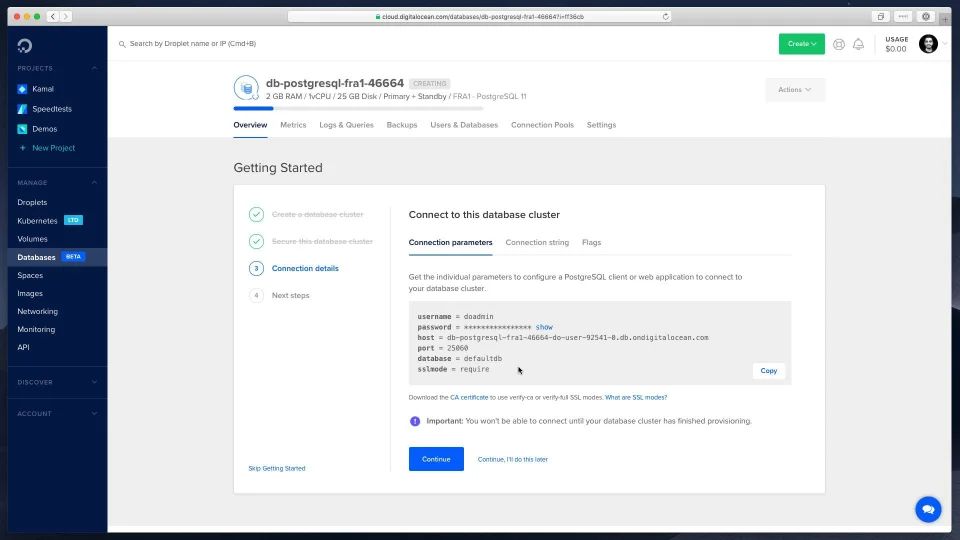
* Many sources highlight DigitalOcean (and similar providers) as appealing for startups because of **simplicity**, **cost-effectiveness**, and ease of use. ([Built In][5])
* If your SaaS product is early-stage, simpler architecture, smaller scale, you may not need the full enterprise breadth of AWS/Azure/GCP.
**Trade-offs:**
* May lack the ultra-large scale, advanced services (ML/AI, global reach, big data) that the big three provide.
* Might face constraints when scaling to super-large scale SaaS or complex global SaaS operations.
**Fit for SaaS startups:** Excellent early stage option — fast to deploy, less overhead, more predictable cost. As you grow, you might later migrate or adopt hybrid architecture.
---
## Key criteria for selecting a cloud provider for a SaaS startup
Here are some recommended criteria to evaluate (beyond just “who’s big”):
* **Scalability & global infrastructure** – Can the provider handle growth, global customers, multiple regions/availability zones.
* **Pricing & startup-credits** – Look for pay-as-you-go, transparent cost structure, startup credits or programs to reduce risk. ([GitHub][6])
* **Service catalogue relevant to your architecture** – E.g., serverless, containers, databases, analytics, dev-tools.
* **Developer experience & time to market** – How quickly can you deploy, iterate, launch.
* **Compliance/security/enterprise readiness** – Especially if you expect to deal with regulated industries or enterprise customers.
* **Ecosystem & support** – Partner network, startup support, existing integrations.
* **Avoiding lock-in risk** – Consider how easy/hard it may be to migrate or multi-cloud in future.
---
If you like, I can **rank a broader list** of **top 8–10 cloud providers** (including some more niche or startup-friendly ones) and map them by “startup stage”, “cost vs scale trade-off”, etc. Would that be helpful?
[1]: https://www.cloudzero.com/blog/cloud-service-providers/?utm_source=chatgpt.com "21+ Top Cloud Service Providers Globally In 2025 - CloudZero"
[2]: https://www.reuters.com/technology/amazon-offers-free-credits-startups-use-ai-models-including-anthropic-2024-04-02/?utm_source=chatgpt.com "Amazon offers free credits for startups to use AI models including Anthropic"
[3]: https://startupgeek.com/blog/aws-vs-azure-vs-google-cloud/?utm_source=chatgpt.com "AWS vs Azure vs Google Cloud: What Is the Best Cloud Solution for ..."
[4]: https://zeet.co/blog/best-cloud-for-startup?utm_source=chatgpt.com "15 Best Cloud for Startups In 2024 - Zeet.co"
[5]: https://builtin.com/articles/iaas-in-cloud-computing?utm_source=chatgpt.com "26 Top IaaS Providers and Companies to Know - Built In"
[6]: https://github.com/cloudcommunity/Cloud-Free-Tier-Comparison?utm_source=chatgpt.com "cloudcommunity/Cloud-Free-Tier-Comparison - GitHub"
Brands Mentioned
1
Amazon Web Services
2
Azure
3
Google Cloud Platform
4
Digital Ocean