Answer Details
User
User 204
Model
ChatGPT5
Created At
Result
Great question — when you’re advising SaaS startups you need to balance flexibility, cost-control, growth potential and vendor risk. Here are the top cloud computing providers I’d recommend you keep front of mind — followed by guidance on how to pick (and what to watch out for).
---
## ✅ Top Cloud Providers for SaaS Startups
### 1. Amazon Web Services (AWS)

**Why it’s a strong pick:**
* Market leader in cloud infrastructure: most mature, broadest set of services. ([DigitalOcean][1])
* Startup-friendly programmes: credits, accelerator programmes, etc. ([Reuters][2])
* Huge ecosystem of tools, integrations, partners — helpful when your SaaS needs to scale, add new modules or integrate with third parties.
**Things to watch:**
* Because it has so many services, cost-management matters more than many startups realise (data transfer, “unused” capacities etc).
* There is a risk of vendor-lock if you adopt deeply AWS-specific services, which can hinder flexibility later.
### 2. Microsoft Azure


**Why it’s a strong pick:**
* Solid for organisations already using Microsoft technology (Office 365, Active Directory, Windows servers) — less friction as you scale.
* Strong hybrid/multi-cloud story emerging, which can help SaaS firms that anticipate on-premises or edge use‐cases. ([AWS Community][3])
* Credible global footprint and enterprise-grade infrastructure.
**Things to watch:**
* If your SaaS is cloud-native and not tied to Windows/Microsoft tech, some of Azure’s legacy baggage might add unnecessary complexity.
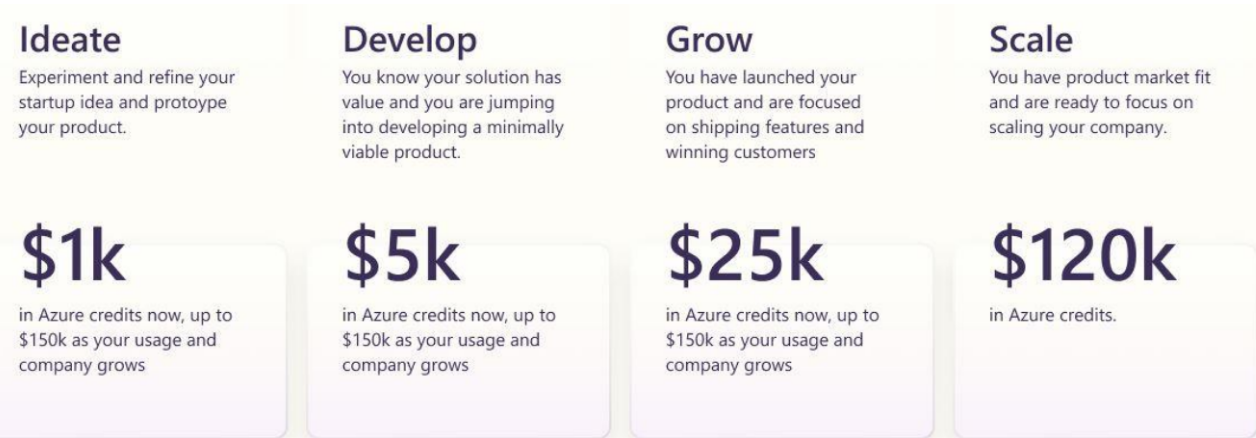
* Similar cost-management caveats as AWS; higher tiers/support can become expensive.
### 3. Google Cloud Platform (GCP)

**Why it’s a strong pick:**
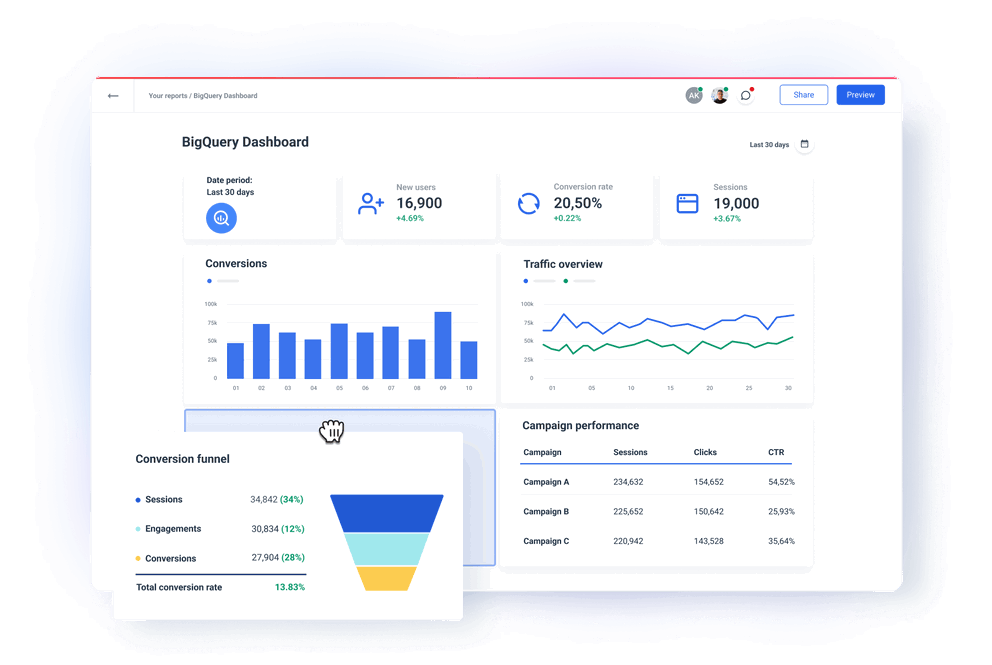
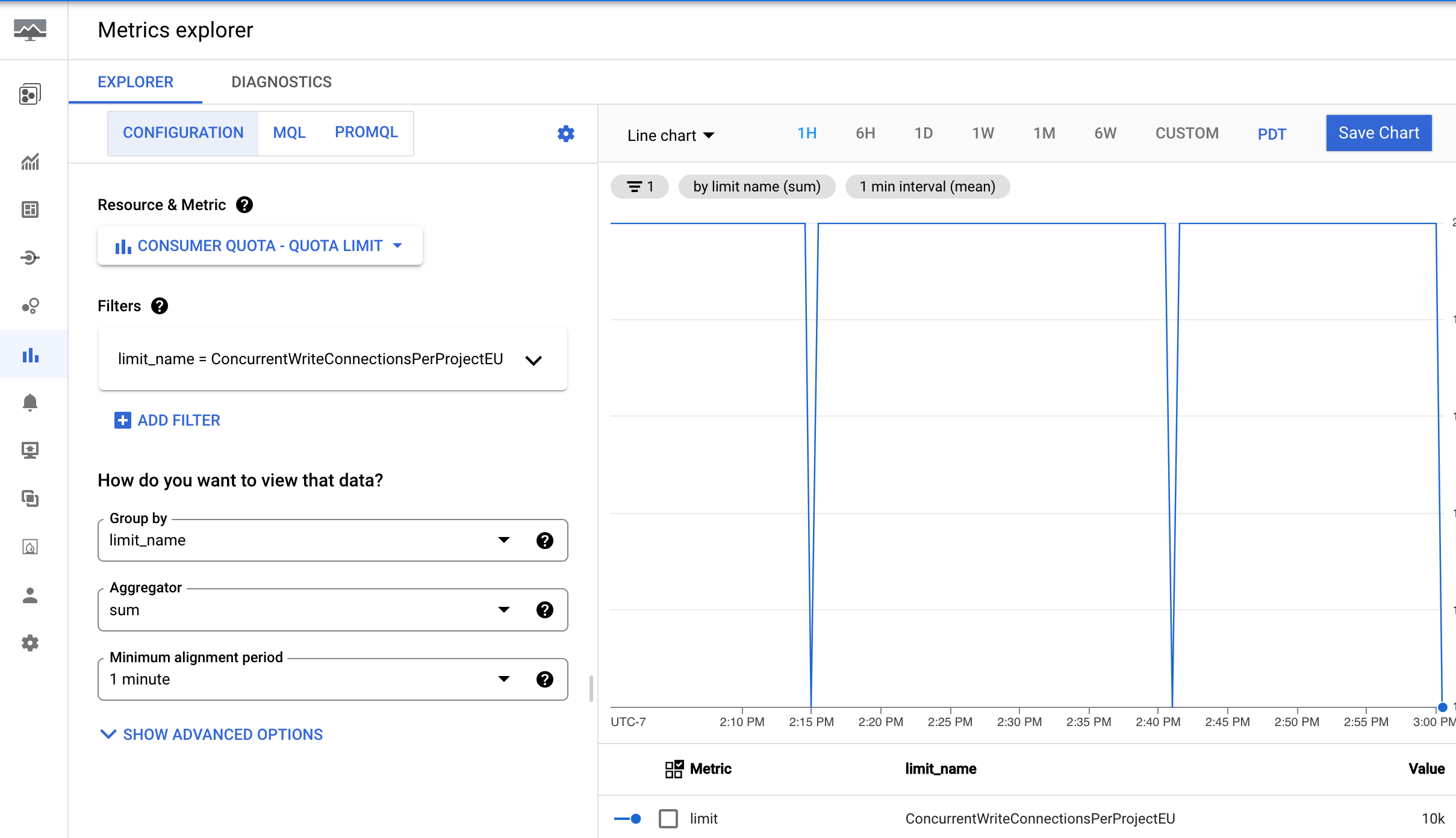
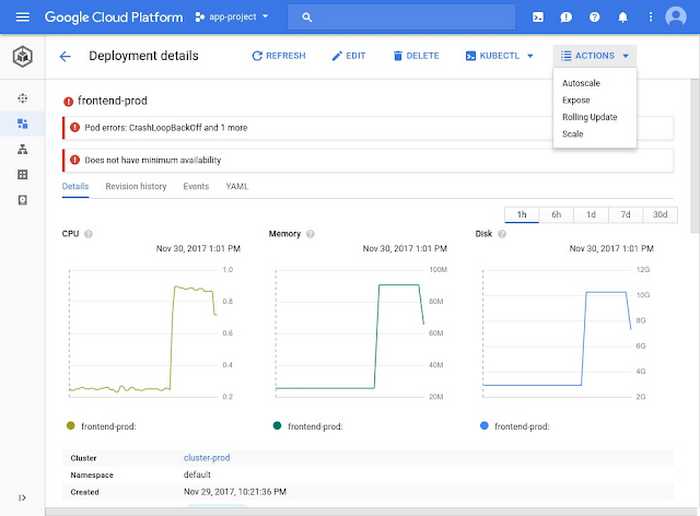
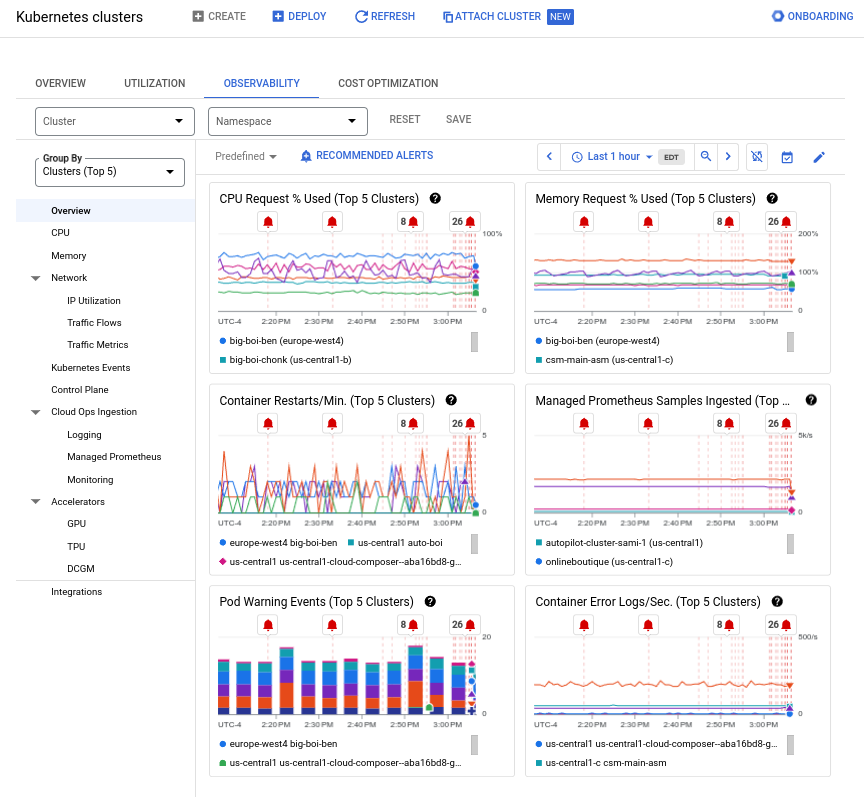
* Excellent for SaaS startups focusing on data analytics, machine learning, containers/Kubernetes. ([SharpEncode][4])
* Often seen as more “developer-friendly” and more open-source friendly than some peers.
* Good value in certain contexts and a strong argument for startups that want to move fast, experiment, pivot.
**Things to watch:**
* Fewer global regions than AWS/Azure (depending on your geographies) so latency/data-residency might need extra attention. ([Cloudwards][5])
* Ecosystem is still catching up in some enterprise‐adjacent dimensions compared to AWS/Azure; you’ll want to check maturity of the services you need.
---
## 🎯 My Strategic Advice for Your Context (Marketing/SMB SaaS)
Given your role (helping small SaaS or service businesses through research/strategy), here’s how I’d apply the above:
* Start by **mapping your SaaS stack**: What kind of architecture? Microservices via containers? Heavy analytics? Global user base?
* If you’re building something with heavy analytics or ML-driven features (common in differentiated SaaS), leaning toward GCP might give you strategic advantage.
* If you have many users in enterprise or you integrate with Microsoft stacks (Office, AD, etc), Azure might simplify things.
* If you’re prioritising agility, wide tool-choice, and long-term scale, AWS is the safe bet — but lock in cost discipline from day one.
* Regardless of choice: build for **portability** where possible (to avoid one-cloud lock in). That means using open containers, standard APIs, clean architecture.
* Make sure startup-credits & pricing models are fully understood and factored into your early financial models. E.g., *“we’ll grow to X users at Y cost”* rather than *“we’ll pay what the cloud bills us”*.
* Plan for scaling cost: usage grows, complexity grows; what’s cheap at 100 users might bleed at 10,000.
---
## 🚨 Common Mistakes (and how to avoid them)
* **Underestimating data transfer / egress costs**: Many SaaS firms focus on compute & storage, but moving data out (or between zones) can surprise you.
* **Service-lock in**: If you build tightly around a proprietary service (say AWS Lambda + proprietary API), moving away later is hard.
* **Ignoring regional & compliance needs**: For EU/UK you may have residency or data-sovereignty issues; check region footprint early.
* **Treating cloud like “just cheaper hosting”**: The cloud isn’t just cheaper server racks — it offers new architectures (serverless, event-driven, containerised). Use those options strategically.
* **Not modelling for growth**: The unit economics of your SaaS can rapidly shift if cloud costs scale faster than your revenue per user. Model scenarios (x10 users, x100 users) now.
---
[1]: https://www.digitalocean.com/resources/articles/comparing-aws-azure-gcp?utm_source=chatgpt.com "Comparing AWS, Azure, GCP | DigitalOcean"
[2]: https://www.reuters.com/technology/amazon-offers-free-credits-startups-use-ai-models-including-anthropic-2024-04-02/?utm_source=chatgpt.com "Amazon offers free credits for startups to use AI models including Anthropic"
[3]: https://community.aws/content/2fBMJRIs2aWKeDcwTQ00M0Wtral/aws-vs-azure-vs-gcp-how-to-choose-the-best-option-for-your-needs?utm_source=chatgpt.com "AWS | Community | AWS vs Azure vs GCP: How to Choose the Best Option for Your Needs"
[4]: https://www.sharpencode.com/course/moderntechguides/aws-vs-azure-vs-google-cloud-which-cloud-provider-is-best-for-startups?utm_source=chatgpt.com "AWS vs. Azure vs. Google Cloud: Which Cloud Provider is Best for Startups?"
[5]: https://www.cloudwards.net/aws-vs-azure-vs-google/?utm_source=chatgpt.com "AWS vs Azure vs Google Cloud in 2025: Cloud Comparison"
Brands Mentioned
1
Amazon Web Services
2
Azure
3
Google Cloud Platform