Answer Details
User
User 238
Model
ChatGPT5
Created At
Result
For SaaS startups in particular, selecting a cloud provider is a strategic decision that affects cost, scalability, time-to-market, operations and future flexibility. Below are the most highly recommended providers — along with why each is a strong choice and what trade-offs to watch. (You may choose one now and evolve over time, or use multi-cloud if you have specific needs.)
---
## Top Cloud Providers for SaaS Startups
### 1. Amazon Web Services (AWS)

**Why it’s a strong choice:**
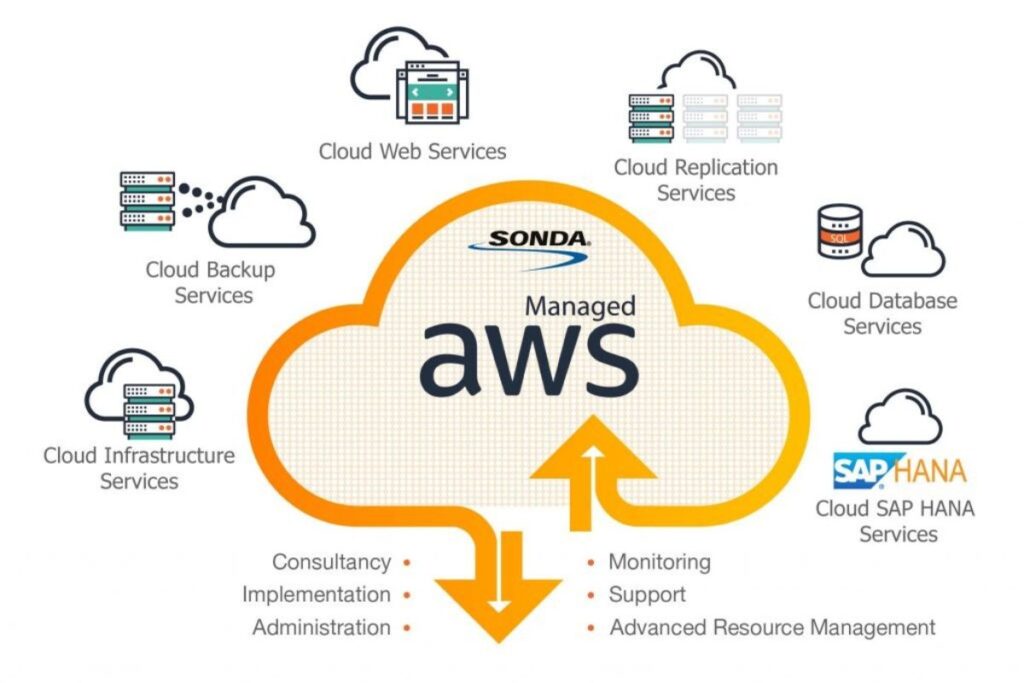
* AWS is the largest public-cloud provider, offering a very broad range of services (compute, storage, databases, serverless, ML/AI, global delivery) for startups scaling up. ([rootstack.com][1])
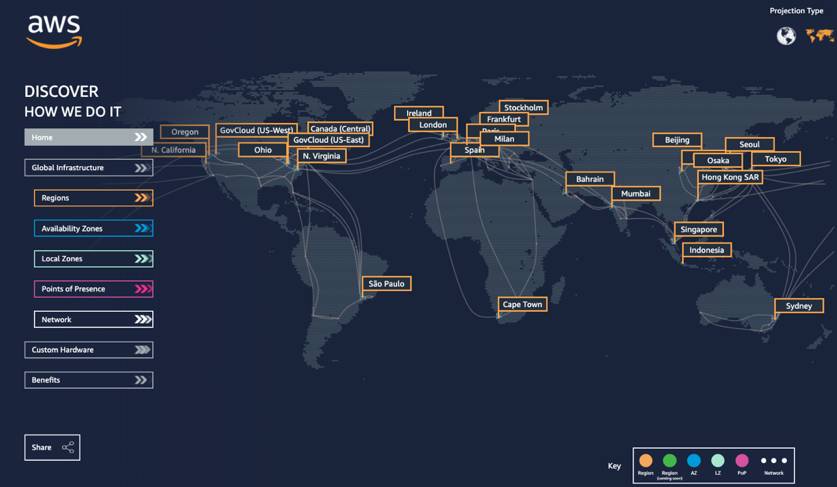
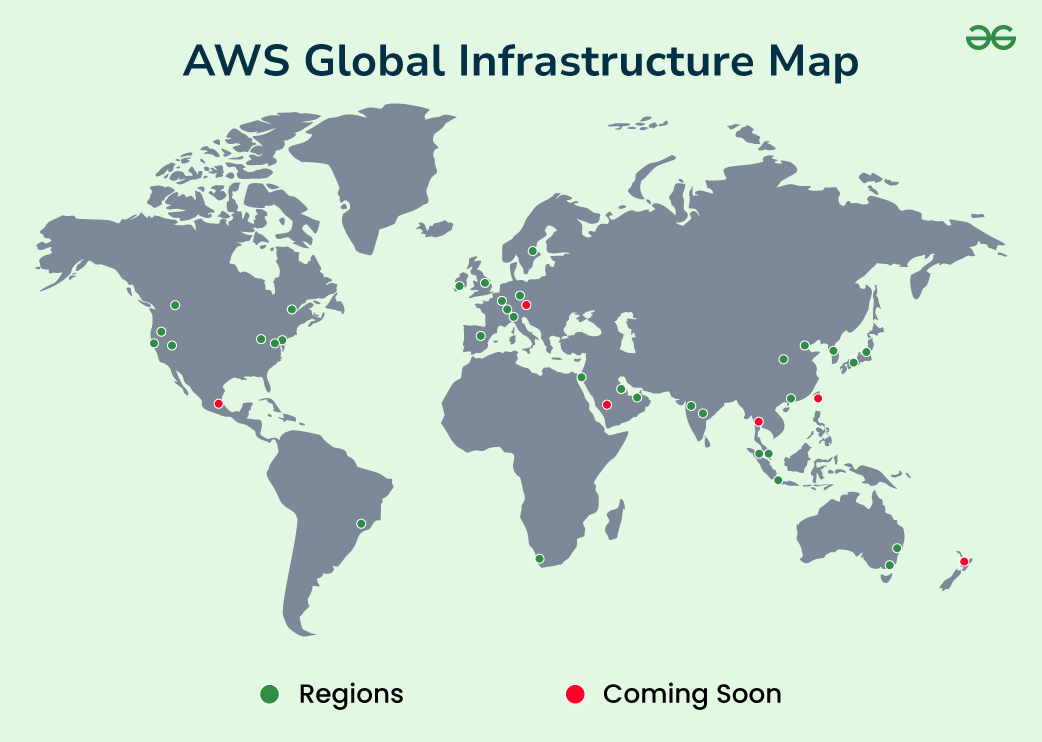
* It has excellent global coverage, enabling SaaS companies to deploy near customers around the world. ([Sahabe Cloud][2])
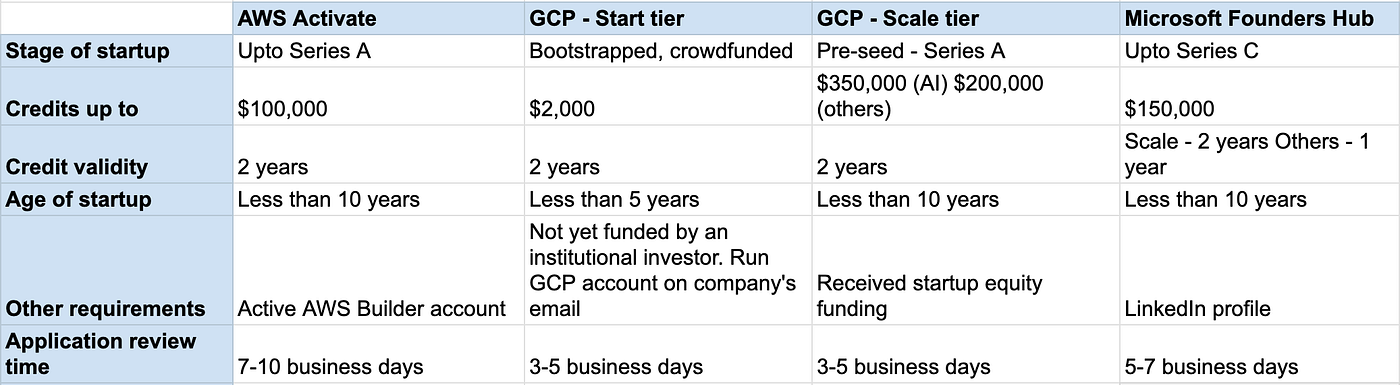
* Good startup programs: credits, partner ecosystem, many integrations. ([cyfuture.cloud][3])
* Strong for companies who anticipate rapid growth, complex architecture, multi-region, high availability needs.
**Trade-offs / considerations:**
* It can be complex to manage (many services, many configurations) and there’s a learning curve. ([Startup Central -][4])
* Costs can escalate if you’re not careful about rightsizing, monitoring, and avoiding waste. As some startup founders comment:
> “it seemed like the best option … but the bills are getting way higher than we expected.” ([Reddit][5])
* Potential for lock-in: using lots of AWS-specific services may make migration harder.
**Best for:** SaaS startups that expect to scale significantly, need global/international reach, need a full array of cloud services (ML, analytics, multi-region) and have or plan to build some cloud-ops competence.
---
### 2. Microsoft Azure

**Why it’s a strong choice:**
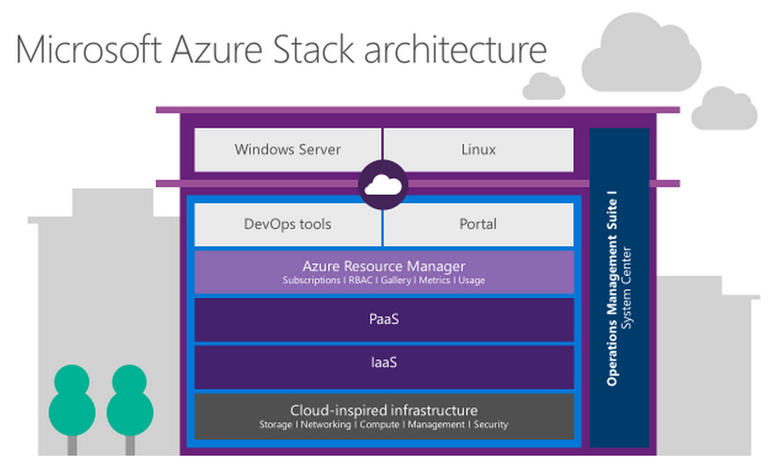
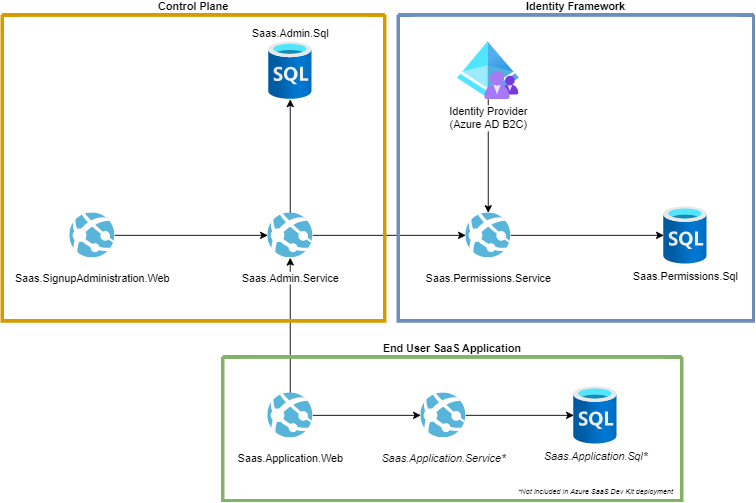
* Very strong if you are already using Microsoft tools (Windows Server, Active Directory, Office 365, Dynamics etc) — the integration is deep. ([Kuberns][6])
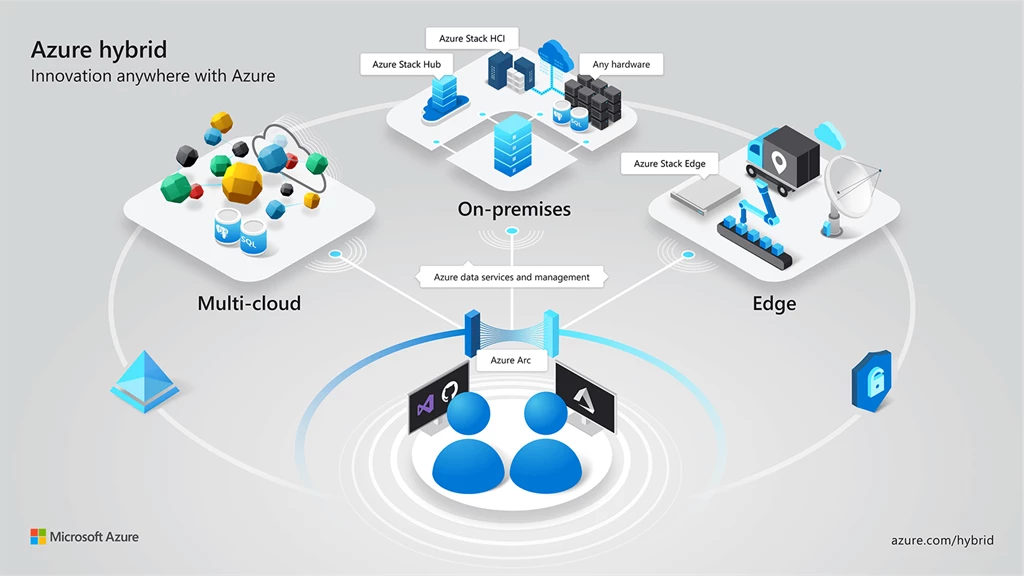
* Excellent hybrid cloud support (on-premises + cloud) if your startup is migrating from an existing infrastructure. ([Kuberns][6])
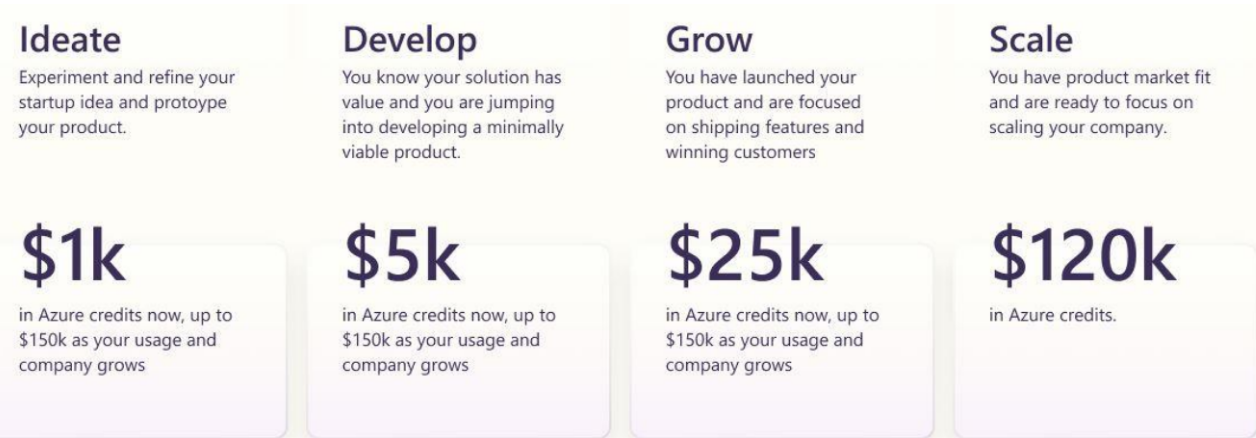
* Good startup & AI tooling programs: e.g., Azure credits, access to OpenAI/AI-services. ([DiGGrowth][7])
**Trade-offs / considerations:**
* While very strong, some startups find Azure’s learning curve or ecosystem less flexible than pure “cloud-native” options.
* Pricing and service breadth are competitive but possibly slightly more complex in variety of options.
* If you’re *not* in a Microsoft ecosystem, the benefits of integration will be less pronounced.
**Best for:** SaaS startups that either already use Microsoft tools, or expect to need hybrid on-prem + cloud, or value enterprise-grade integration with the Microsoft ecosystem.
---
### 3. Google Cloud Platform (GCP)


**Why it’s a strong choice:**
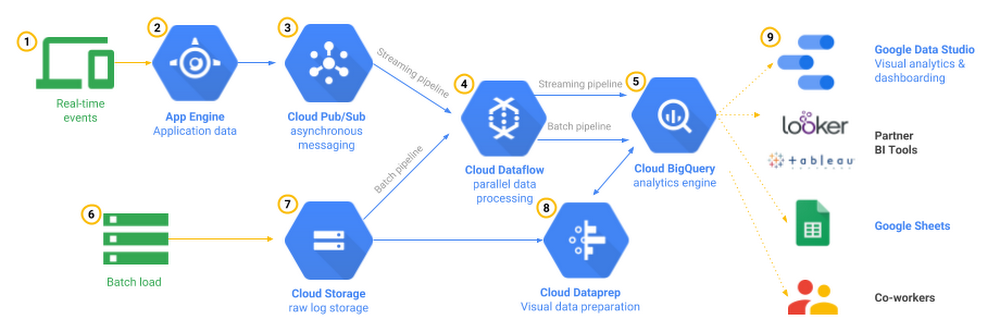
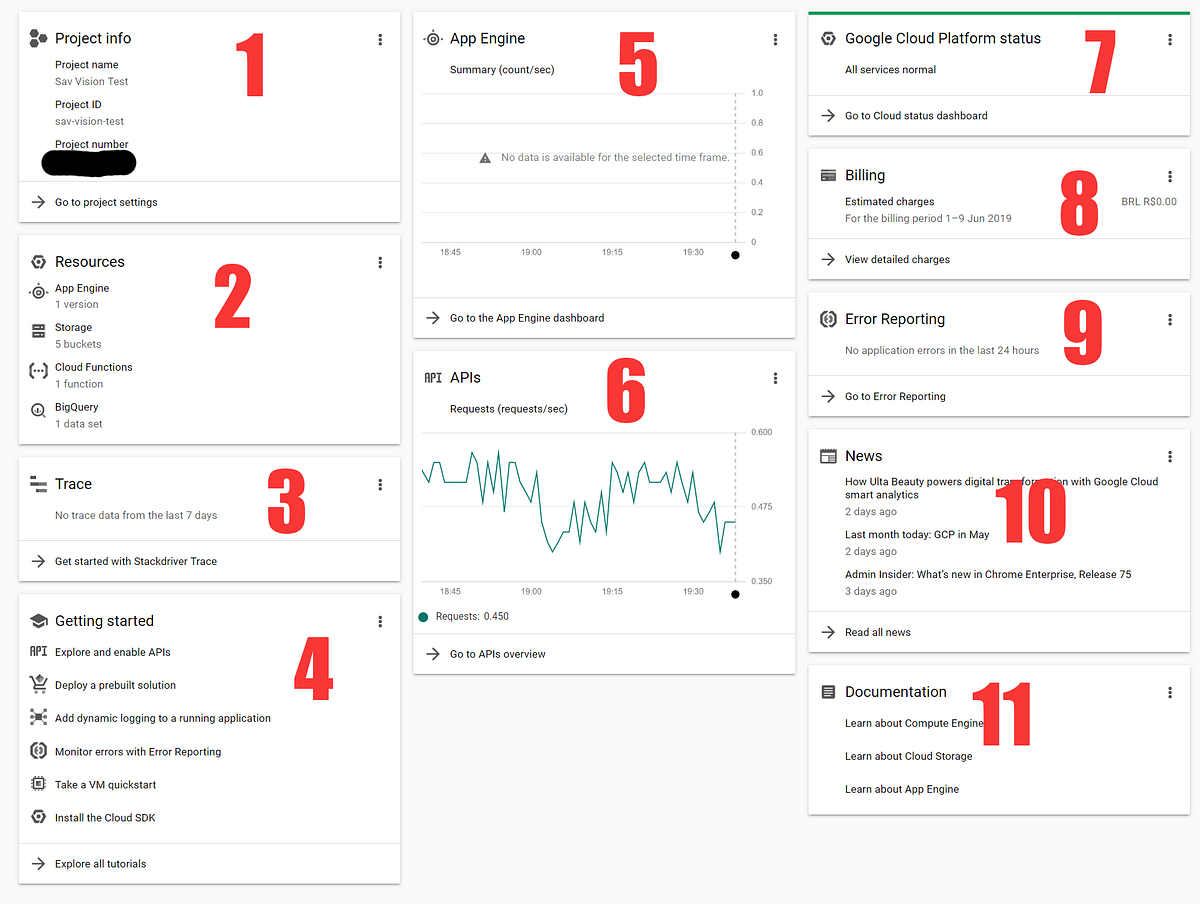
* Strong emphasis on data, analytics, machine learning, containers & Kubernetes (e.g., Google Kubernetes Engine). ([Kuberns][6])
* Developer-friendly tooling and often perceived as easier to ramp up than some alternatives. From user discussion:
> “I find GCP much much more friendly and easy to use compared to AWS.” ([Reddit][8])
* Competitive pricing models and clear usage-based billing. ([Kuberns][6])
**Trade-offs / considerations:**
* While very capable, GCP’s ecosystem (in terms of service breadth, marketplace, partner network) is still somewhat smaller than AWS.
* If you expect a very large scale multi-region enterprise setup, you may find certain edge-regions or services less mature in GCP than the very largest provider.
* If your architecture is heavily dependent on vendor-specific services, you’ll want to watch for lock-in.
**Best for:** SaaS startups that are building data-heavy features, analytics or ML/AI capabilities, leverage containers/Kubernetes, or want a developer-friendly environment and faster ramp-up.
---
### 4. DigitalOcean (and small-to-mid cloud providers)




**Why it’s a strong choice:**
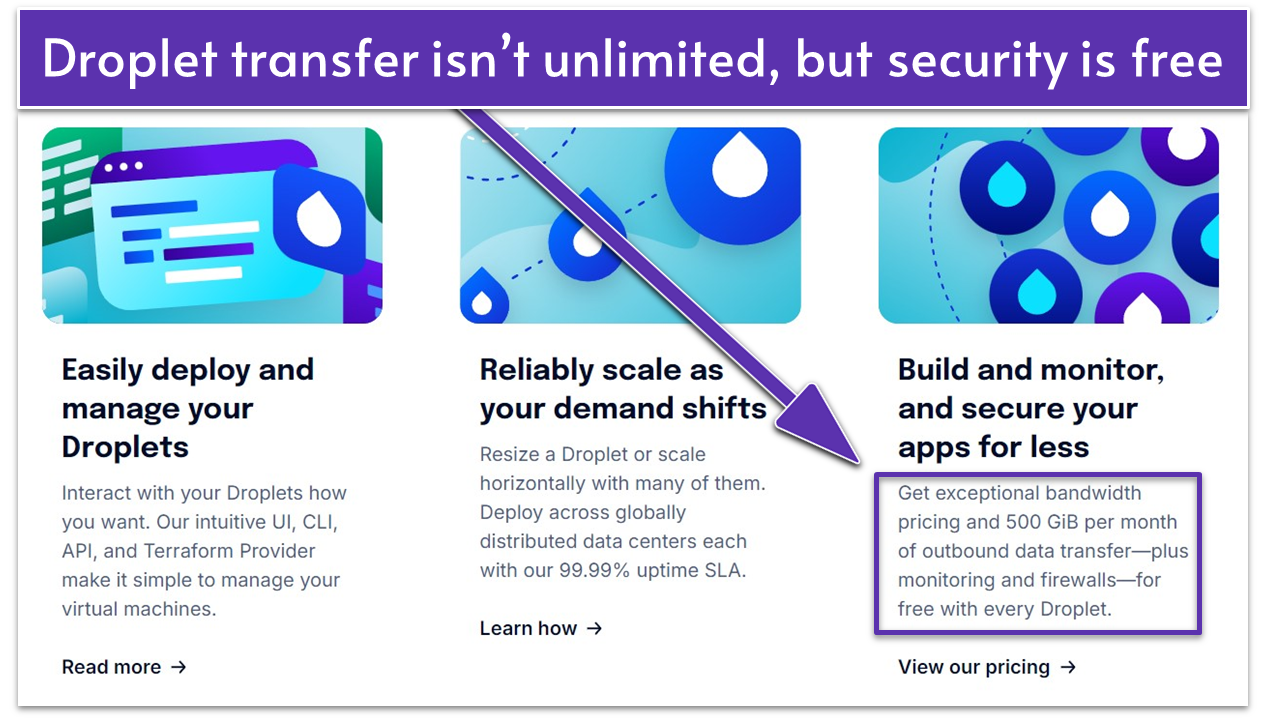
* For early-stage SaaS startups (MVP, small user base, lean team) DigitalOcean offers simplicity, transparent pricing, and a lower barrier to entry. ([Sahabe Cloud][2])
* The worry of “over-engineering the infrastructure” is reduced; you can get going quickly.
* Good if you are comfortable managing more yourself and don’t need global high-availability immediately.
**Trade-offs / considerations:**
* Less service-breadth compared to the ‘big three’. If you need advanced global infrastructure, heavy ML/AI, large-scale analytics, or enterprise-grade features, you might outgrow it.
* Scaling to massive size or multi-region will involve extra effort or migration.
* Fewer “ecosystem” benefits (credits, partner networks) compared to AWS/Azure/GCP startups programs (though still meaningful).
**Best for:** Early-stage SaaS startups that want to launch fast, keep costs lean, don’t need extremely complex cloud services, and are comfortable with a more “self-managed” approach.
---
## How to choose (and what to check)
Here are key considerations you should evaluate as a SaaS startup founder:
* **Startup credits & programs**: Many cloud providers offer free credits or special startup programs. E.g., GCP, AWS, Azure all have such deals. ([cyfuture.cloud][3])
* **Scalability & global infrastructure**: If you expect international users or need low latency across regions, global coverage matters.
* **Cost-structure & predictable billing**: Lean budgets matter in a startup — check how the pricing works, if there are hidden costs or complexity.
* **Service breadth vs simplicity**: More services = more options + more complexity. If you’re early you might prefer faster time-to-market rather than maximum flexibility.
* **Lock-in risk**: If you build heavily on one provider’s proprietary services, migrating may become harder/larger cost later.
* **Ecosystem / dev-tools / support**: Partner ecosystem, community, documentation, support can accelerate your progress.
* **Compliance & security**: If your SaaS has regulatory or security constraints (e.g., health, finance), check provider’s certifications, regions & features.
* **Dev team skillset & stack**: If your team already knows Microsoft tools, Azure makes sense; if you’re container/K8s-native and data/ML oriented, GCP could be more aligned.
---
## My recommendation for a SaaS startup in London / UK
Since you are located in London, England:
* All three major providers (AWS, Azure, GCP) have strong presence/regions in Europe and can serve a UK-based startup effectively.
* If you’re early stage and want to move fast with lean ops, you might begin with DigitalOcean or a smaller provider for the MVP/proof-of-concept then migrate to a “big three” when you scale.
* If your SaaS has data/analytics/AI as a core differentiator, lean towards GCP.
* If your team or customers are anchored in Microsoft platforms or you expect enterprise customers, lean towards Azure.
* If you expect to have global scale, need many services, and are OK investing in ops as you grow, AWS is a strong general-purpose bet.
---
If you like, I can **compare cost-models** (e.g., compute + storage + data transfer) across these providers specifically for SaaS use-cases (UK region) and highlight hidden cost traps. Would that be helpful?
[1]: https://rootstack.com/en/blog/comparing-top-cloud-service-and-infrastructure-providers?utm_source=chatgpt.com "Comparing Top Cloud Service and Infrastructure Providers | Rootstack"
[2]: https://sahabe.cloud/best-cloud-providers-for-saas-growth-in-2025-smb-guide/?utm_source=chatgpt.com "Best Cloud Providers for SaaS Growth in 2025: SMB Guide – Sahabe Cloud"
[3]: https://cyfuture.cloud/kb/cloud-computing/what-is-the-best-cloud-platform-for-startups-a-deep-dive-for-founders-and-builders?utm_source=chatgpt.com "What is the Best Cloud Platform for Startups? A Deep Dive for Founders and Builders"
[4]: https://startup-central.co/choosing-the-right-cloud-provider-for-your-saas-startup/?utm_source=chatgpt.com "Choosing the Right Cloud Provider for Your SaaS Startup - Startup Central"
[5]: https://www.reddit.com/r/SaaS/comments/1jbpjm1?utm_source=chatgpt.com "Best Cloud Provider for Startups – What’s Your Go-To?"
[6]: https://kuberns.com/blogs/post/top-10-iaas-cloud-providers/?utm_source=chatgpt.com "Top 10 IaaS Cloud Providers Compared in 2025 | Kuberns Blog"
[7]: https://diggrowth.com/blogs/thought-leadership/cloud-wars-a-comparative-analysis-of-leading-cloud-vendors/?utm_source=chatgpt.com "A Detailed Analysis Of Leading Cloud Vendors"
[8]: https://www.reddit.com/r/startups/comments/1gm15v8?utm_source=chatgpt.com "What’s your favorite startup cloud program and provider?"
Brands Mentioned
1
Amazon Web Services
2
Azure
3
Google Cloud Platform
4
Digital Ocean