Answer Details
User
User 325
Model
ChatGPT5
Created At
Result
For a SaaS startup, choosing the right cloud provider is a foundational decision — it affects scalability, cost-efficiency, developer productivity, and future flexibility. Below are **five highly-recommended cloud providers** for SaaS startups, along with when each makes sense and what to watch out for. Many startups choose a primary provider and build for portability (so switching or multi-cloud becomes possible later) — I’ll include portability/caution points too.
---
## 1. Amazon Web Services (AWS)



**Why it’s highly recommended:**
* AWS remains the market-leader among cloud infrastructure providers. ([CloudZero][1])
* Mature set of services (compute, storage, databases, serverless, machine learning, analytics) which means fewer gaps as your SaaS scales.
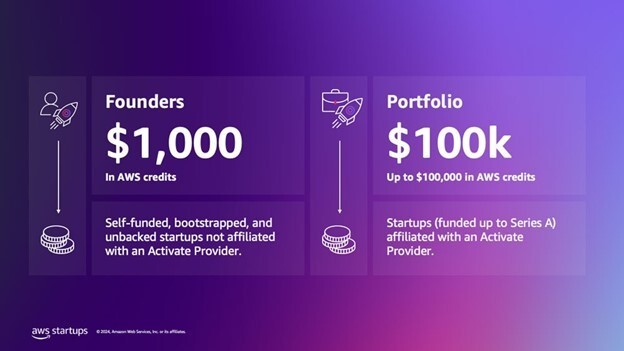
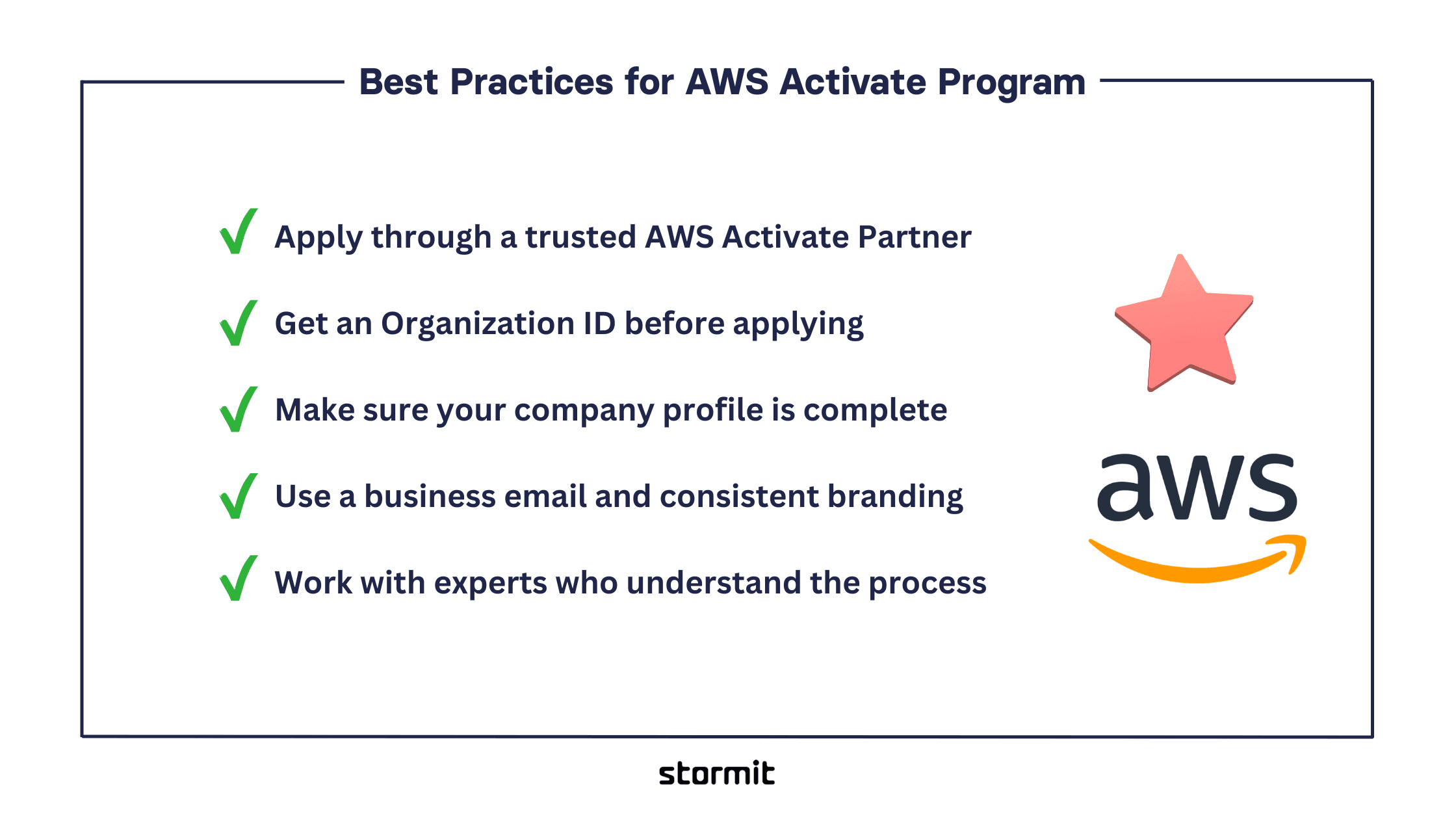
* Startup-friendly programs: AWS provides startup credits, accelerators, support for new companies. ([DevCom][2])
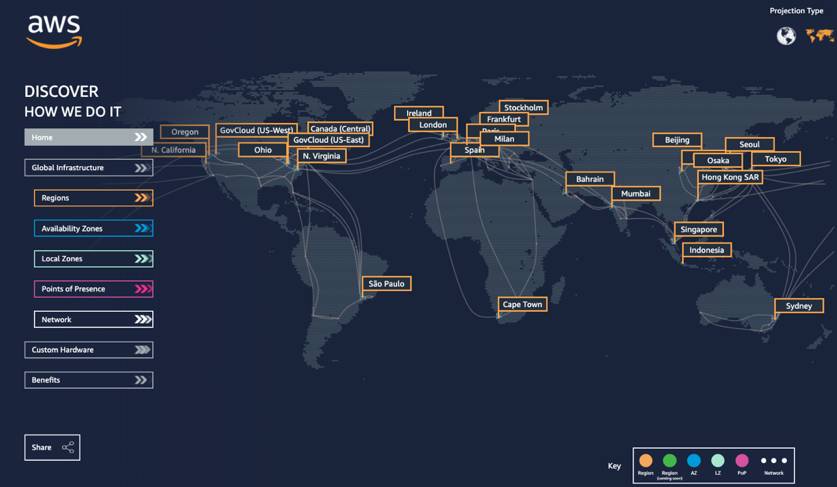
* Strong global footprint (important for SaaS reaching many geographies).
* Large ecosystem of tools, third-party integrations, community, and hiring of talent familiar with AWS.
**When to choose AWS:**
* If you expect rapid scaling and need a full stack of services (especially if you plan to use advanced features like ML, large data flows).
* If you want the “safe bet” of broad service coverage, many regions and compliance options.
* If you anticipate your product may become enterprise-grade and require broad capabilities (e.g., hybrid deployments, high availability, many integrations).
**What to watch out for:**
* Costs can escalate quickly if not carefully managed. Ensuring you architect for cost-efficiency from the start is key.
* The sheer breadth of services can lead to complexity — you’ll want a good cloud architect or be disciplined in your choices.
* Lock-in: since you may use lots of AWS-specific services, moving later might be harder.
---
## 2. Google Cloud Platform (GCP)


**Why it’s recommended:**
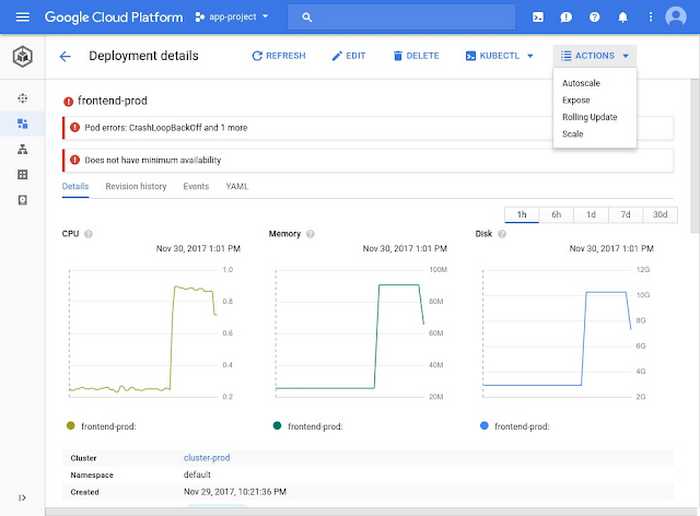
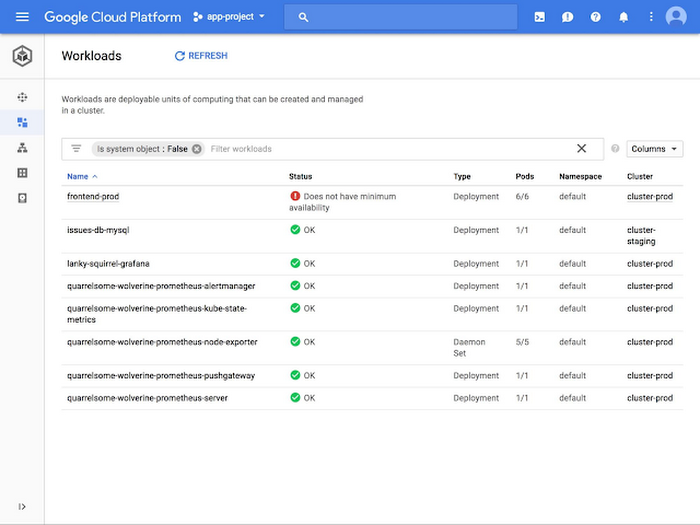
* Developer-friendly tooling and strong support for container / Kubernetes workloads (which often align well with SaaS architectures). ([Microtica][3])
* Startup programs with attractive credits and partner networks. ([DevCom][2])
* Good for teams already familiar with Google ecosystems, big-data and analytics (if your SaaS has data heavy requirements).
**When to choose GCP:**
* If your product expects heavy data and analytics or uses Kubernetes heavily from early days.
* If your engineering team is comfortable with Google-style tooling and you want maybe slightly simpler service surface to manage.
* If cost matters and you want potentially more aggressive startup credits for experimentation.
**What to watch out for:**
* May have fewer “edge” services (at least compared to AWS) or slightly fewer global regions in certain geos (depending on your target markets) so check latency/regional availability.
* If you use too many GCP-specific services, you may reduce portability.
* The marketplace is strong but not as massive as AWS in some ecosystems.
---
## 3. Microsoft Azure





**Why it’s recommended:**
* Azure is very strong in hybrid-cloud scenarios (on-prem + cloud) and in enterprises, so if your SaaS startup aims to sell into enterprise markets (which often have Microsoft stacks) this is a plus. ([Microtica][3])
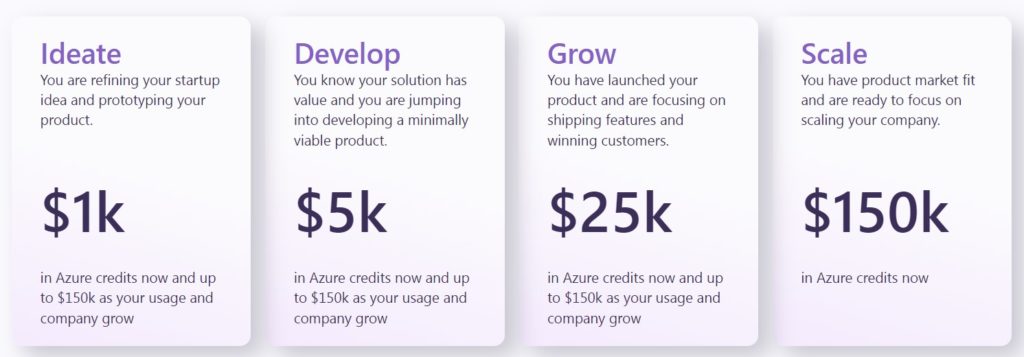
* Strong startup support: credits, programs via “Azure for Startups”. ([DevCom][2])
* Familiarity among enterprise IT teams and potential partner ecosystems (especially if working in sectors like services, Microsoft enterprise customers).
**When to choose Azure:**
* If your target market is enterprise and you expect to integrate deeply with Microsoft products (Office 365, Active Directory, etc.).
* If you anticipate hybrid or multi-cloud scenarios or need strong identity/security integrations.
* If your engineering team has existing Microsoft-stack experience (C#, .NET, Windows) and you want productivity.
**What to watch out for:**
* Similar cost/complexity issues as others: you’ll still need good cost governance.
* Service maturity for some newer cloud services may lag compared to AWS in certain niche areas (though Azure is very competitive).
* Again, switching away later may be harder if you use many Azure-specific services.
---
## 4. DigitalOcean
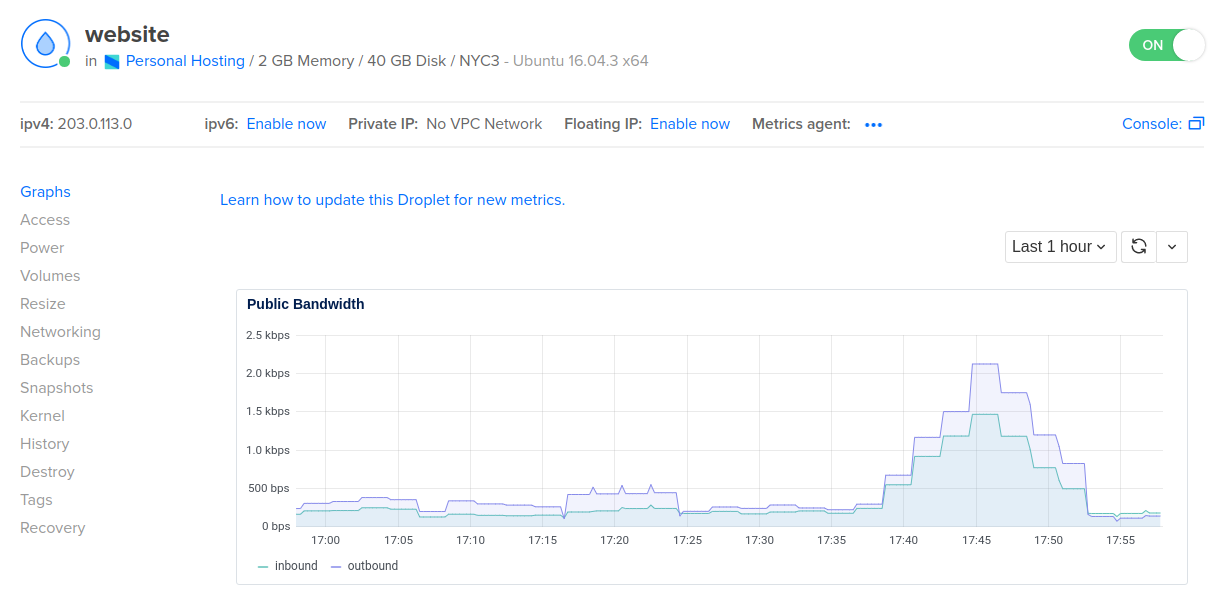


**Why it’s attractive for SaaS startups (especially earlier-stage):**
* Simpler pricing, easier to understand and manage for smaller teams. ([Microtica][3])
* Developer-friendly, lower barrier to entry, which means faster time to deploy and iterate.
* Can be more cost-effective at earlier stages when your infrastructure demands are modest and you prioritise simplicity over breadth of services.
**When to choose DigitalOcean:**
* If you are pre-product-market fit and want to keep infrastructure simple, cost-controlled, and developer-friendly.
* If you don’t yet need a huge global footprint or advanced cloud services, but want to get up and running quickly.
* If your SaaS is focused and lightweight (e.g., maybe one region, not ultra-complex infrastructure yet).
**What to watch out for:**
* As you scale, you may hit service-gaps (in terms of geos, advanced services, enterprise-grade features) compared to the big hyperscalers.
* If you later decide to move to one of the major providers, migrating may involve some effort.
* For large data/analytics/ML/enterprise-scale use-cases the hyperscalers may still be better suited.
---
## 5. IBM Cloud
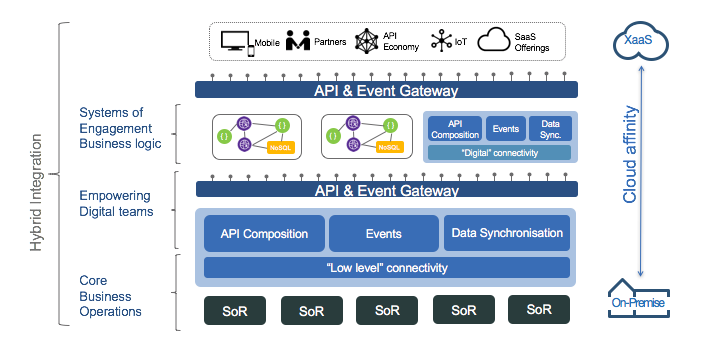
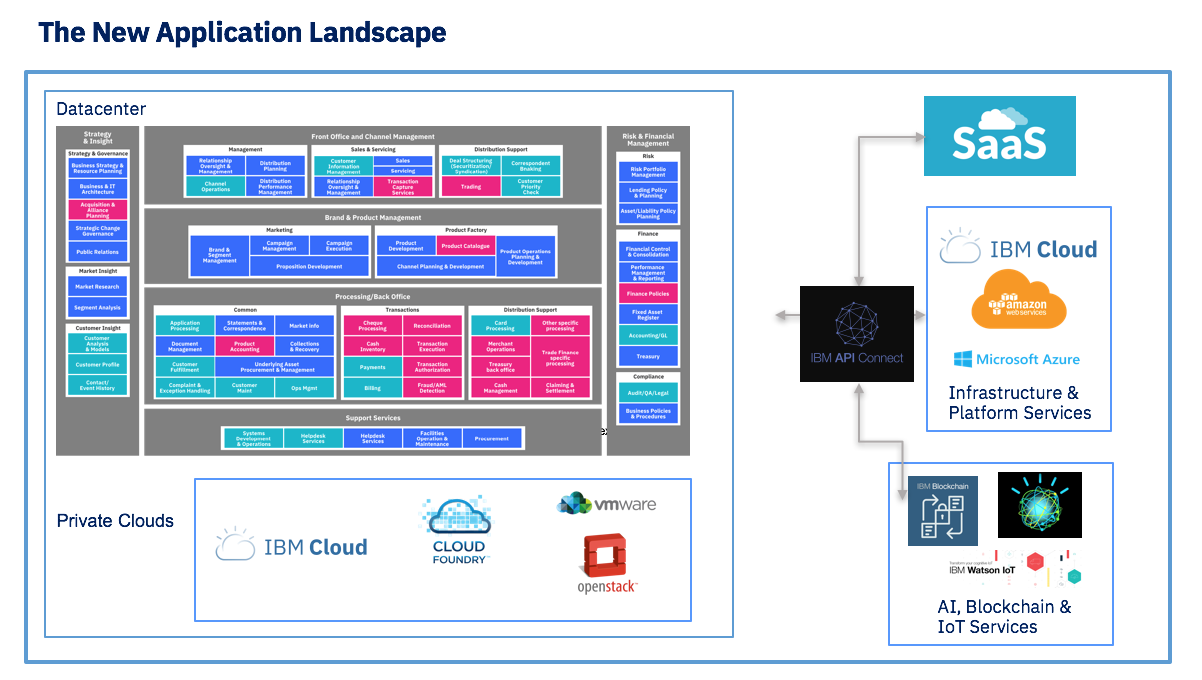


**Why it’s worth considering (in niche cases):**
* Especially relevant for SaaS startups targeting regulated industries (finance, healthcare, government) where hybrid/hardware integrations, compliance, and enterprise sales are critical. ([Microtica][3])
* IBM has strengths in analytics, enterprise support, hybrid and integration scenarios.
**When to choose IBM Cloud:**
* If your SaaS product is going after an enterprise sector that values enterprise-grade support, security/compliance, and hybrid-cloud deployments.
* If you anticipate a requirement to run part of your infrastructure on-premises or in co-location/hybrid modes.
**What to watch out for:**
* Less startup-community buzz compared to the big three (AWS, GCP, Azure).
* May not have as many of the latest “cloud native” service flurries as the hyperscalers.
* For earlier-stage SaaS with simpler needs, might be overkill (or less cost-effective) compared to others.
---
## Key decision-criteria and questions for your SaaS agency lens
Since you’re with a digital/agency context (building websites on HubSpot CMS etc.), here are some tailored points for your context:
* **Scalability & regions**: Where are your clients/ users located? If your SaaS will serve a global audience or multiple geos (US, EU, APAC), you’ll want a cloud provider with good latency and region coverage.
* **Startup credits & cost management**: For a SaaS startup, cost is a major lever. Check whether the provider offers startup credits, partner programs, and how easy it is to monitor/control cost.
* **Service breadth vs simplicity**: If your SaaS is relatively standard (web app + API + DB + maybe some analytics) you might not need every advanced cloud service. A simpler provider (DigitalOcean) might suffice initially. But if you envision complex features (AI/ML, big data analytics, global scale) you may lean to a hyperscaler.
* **Portability / vendor lock-in**: Since you build websites and possibly help other companies build SaaS offerings (via your agency), you may prefer architecture choices that keep your SaaS portable or multi-cloud capable. So if you choose AWS or Azure, you might want to use standard technologies (e.g., Kubernetes, open source databases) vs deeply proprietary services.
* **Integration with DevOps / developer tooling**: What skillset does your team have or can hire for? If you have developers experienced in one cloud ecosystem, that can reduce ramp-time.
* **Enterprise readiness**: If your clients demand enterprise-grade features (SLAs, compliance, hybrid) then leaning toward the major clouds makes sense. If your product is being built with smaller / mid-market clients, you might scale more gradually.
* **Future path**: If you expect your SaaS to become a major product with heavy growth, orienting for long-term scale (global, many services) may matter more than cost savings at day-one.
---
## Recommendation summary for your context
Given that you run an agency building websites on HubSpot CMS (and presumably you are used to client-facing services, possibly helping clients adopt SaaS models), here is a recommended “stairs” path:
* **Initial phase (MVP / early the offering)**: Use a simpler cloud provider such as DigitalOcean or a free tier on GCP/Azure. Focus on speed, cost-control, iterate quickly.
* **Growth phase (product-market fit, multiple clients, scaling)**: Move or lean toward a major provider such as AWS, GCP, or Azure. Choose based on your team skills and your product’s target market (enterprise vs SMB).
* **Enterprise/Global phase**: Make sure you pick a provider that offers strong global coverage, enterprise support, advanced features, and consider architecture for portability (so you avoid being locked into one cloud if you ever need to pivot).
* **Hybrid approach**: It rarely needs to be “one or the other forever.” Start smaller, then gradually use advanced features or move to more capable infrastructure. Your agency role may also allow you to architect the SaaS for multi-cloud or future portability from the start.
---
If you like, I can **compare the leading providers (AWS vs GCP vs Azure) head-to-head** specifically for SaaS startups — covering cost, global regions, startup programs, ease of use, typical pitfalls — and create a decision-matrix tailored for your agency’s type of SaaS. Would you like that?
[1]: https://www.cloudzero.com/blog/cloud-service-providers/?utm_source=chatgpt.com "21+ Top Cloud Service Providers Globally In 2025 - CloudZero"
[2]: https://devcom.com/tech-blog/top-3-cloud-hosting-solutions-for-startups/?utm_source=chatgpt.com "3 Best Free Cloud Hosting Services For Startups - DevCom"
[3]: https://www.microtica.com/blog/cloud-hosting-for-startups?utm_source=chatgpt.com "Top 10 Cloud Hosting for Startups - Microtica"
Brands Mentioned
1
Amazon Web Services
2
Google Cloud Platform
3
Azure
4
Digital Ocean
5
Ibm Cloud