Answer Details
User
User 201
Model
ChatGPT5
Created At
Result
If you’re building a SaaS startup, choosing the right cloud provider is a key foundational decision. Below are the most highly recommended cloud-computing providers for SaaS startups — along with what makes each strong (and what to watch out for). Later you can choose based on your stack, future scale, budget, team skills, and region.
---
## Top cloud providers for SaaS startups
### 1. Amazon Web Services (AWS)


**Why it shows up first:**
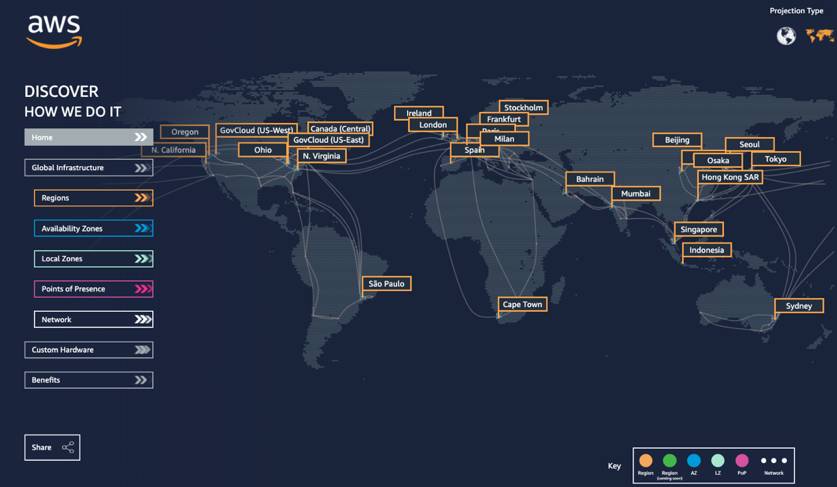
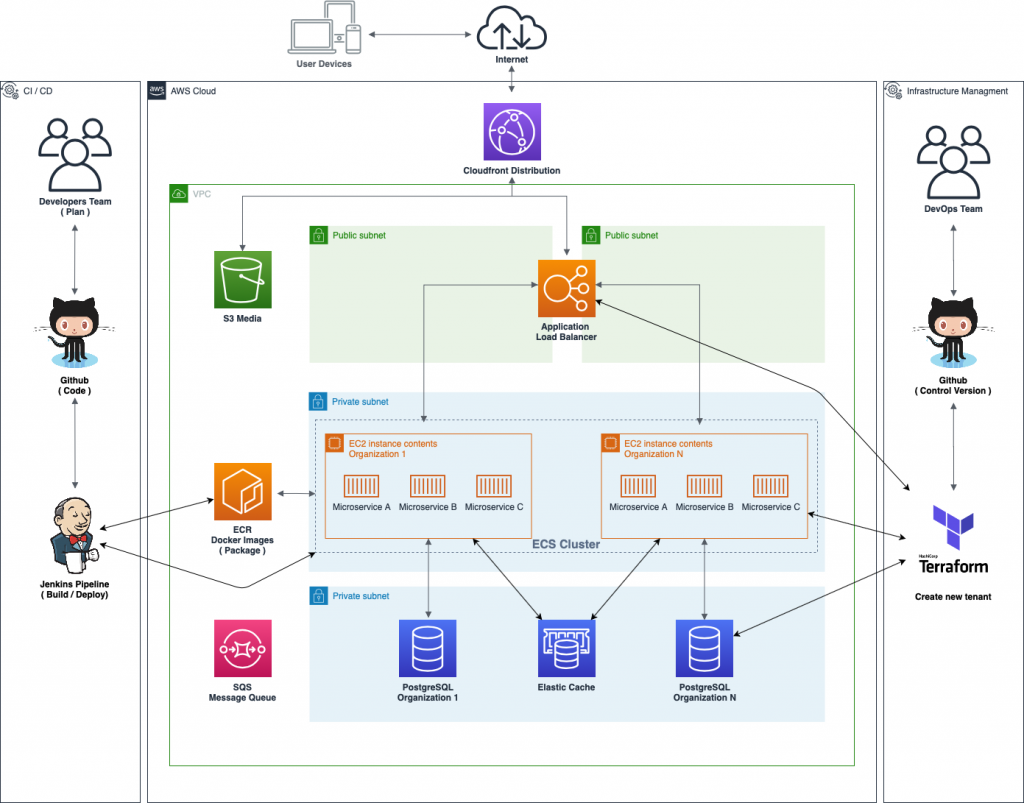
* AWS is the largest and most mature public cloud offering, with a *very broad* service catalog across compute, storage, databases, machine-learning, networking and more. ([Rootstack][1])
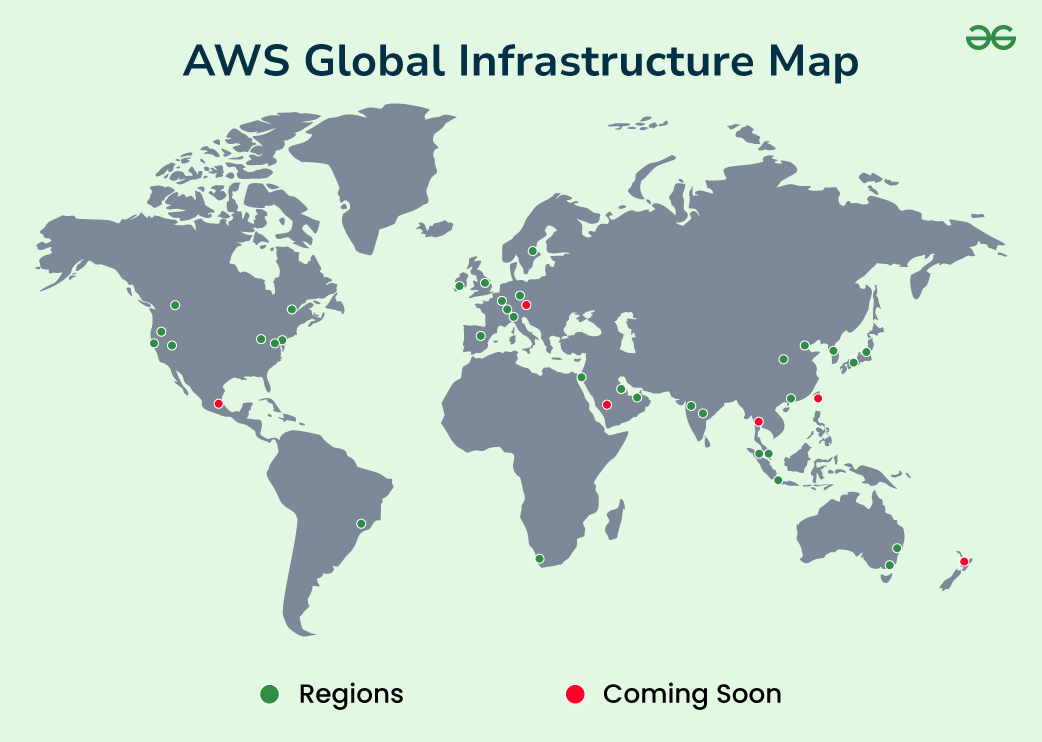
* Excellent for scalability: if your SaaS startup takes off, AWS gives you the tools to scale globally. ([Sahabe Cloud][2])
* Strong support programs for startups (credits, training, partner ecosystem). ([Cyfuture Cloud][3])
**Best for:** Startups expecting rapid growth, global scale, complex architecture, or needing a full-featured cloud stack from day one.
**Things to watch out for:**
* Pricing and complexity: With many services and options, it can be easy to incur surprises in cost if you’re not careful. ([Reddit][4])
* Learning curve: More features often means more configuration, more complexity.
* Risk of vendor lock-in: If you build deeply into AWS-specific services, migrating later can be harder.
---
### 2. Microsoft Azure




**Why it stands out:**
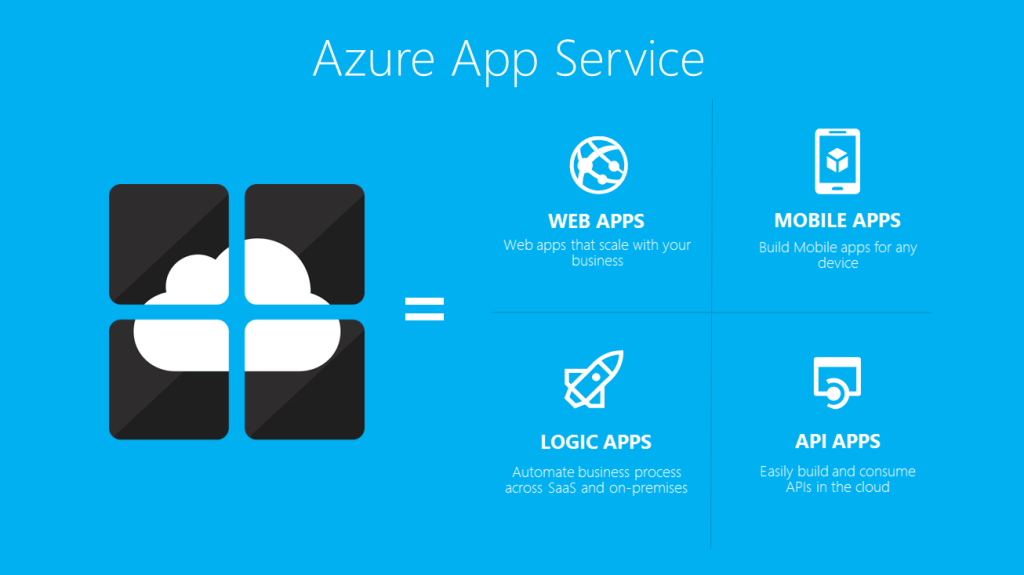
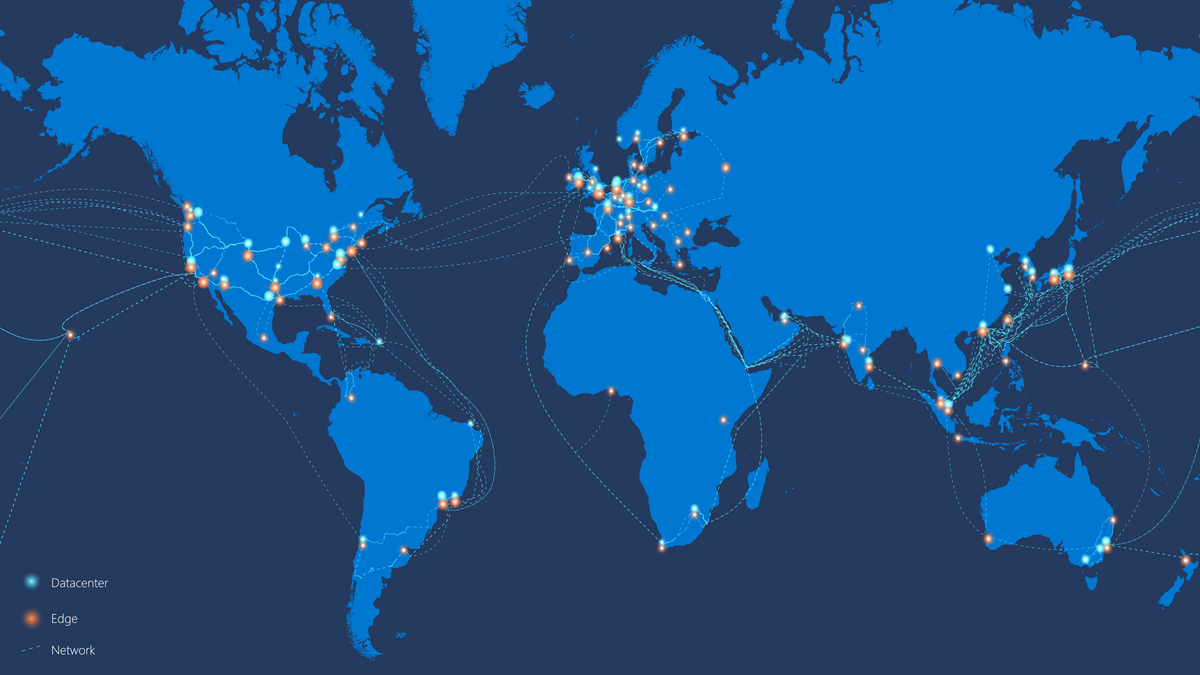
* Strong choice especially if your startup uses a Microsoft stack (.NET, Windows, Office 365, etc). Integration is tight. ([DiGGrowth][5])
* Hybrid-cloud support is strong: if you need to mix cloud & on-premises or gradually migrate, Azure has solid options. ([Sahabe Cloud][2])
* Startup programs offering credits and help as well. ([csaccept.com][6])
**Best for:** SaaS startups that are already part of the Microsoft ecosystem, or those needing hybrid/enterprise features from early on.
**Things to watch out for:**
* UI and tooling may feel less “starter friendly” for pure cloud-native teams (compared to some competitors).
* Pricing and complexity similar to AWS if you use many services.
---
### 3. Google Cloud Platform (GCP)

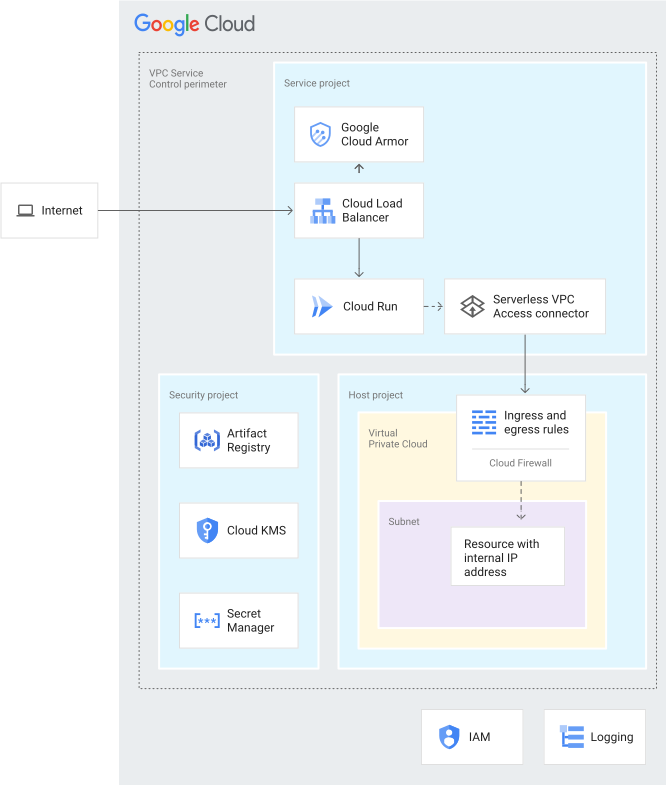
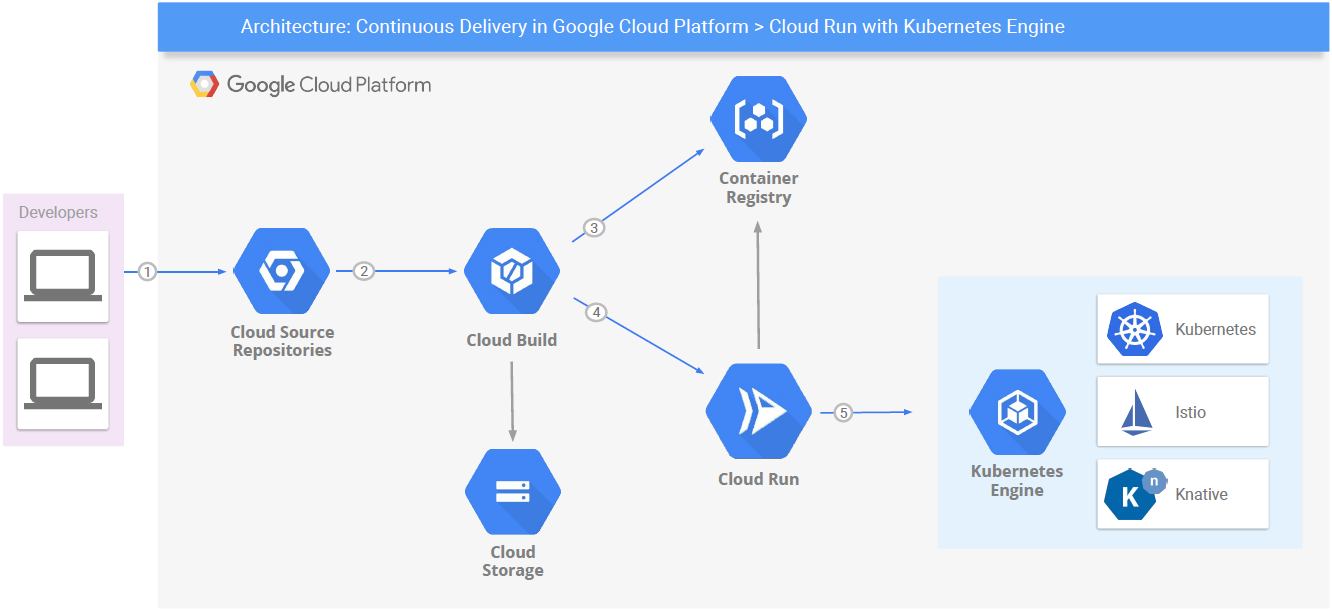
**Why it’s a solid pick:**
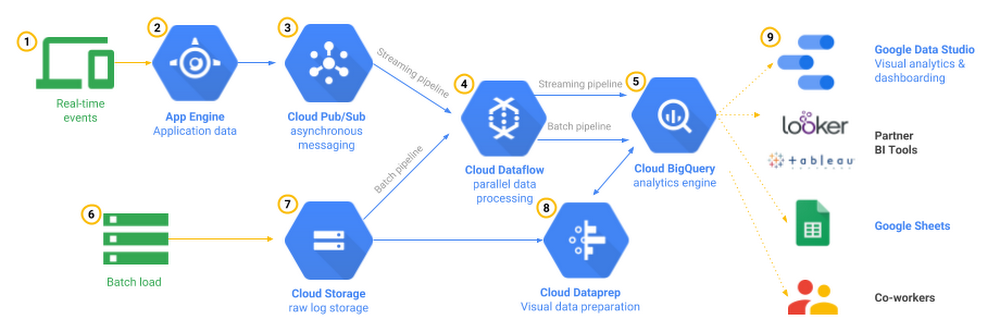
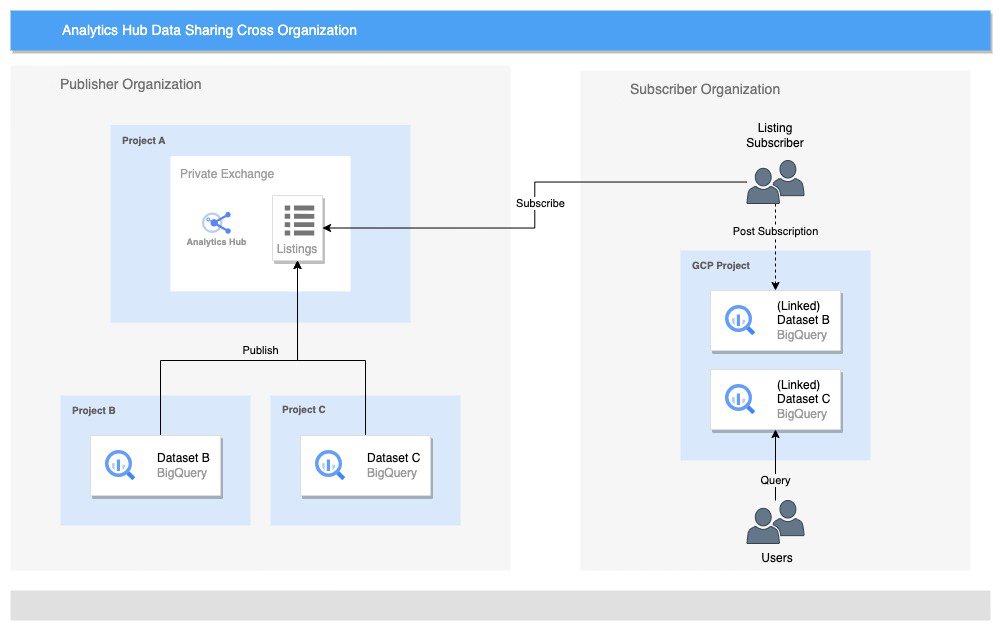
* Strong in data, analytics, machine learning. If your SaaS app emphasises big data, ML, streaming, GCP may give you an edge. ([Kuberns][7])
* Developer-friendly, clean design, and often touted as easier to use (especially for smaller teams) than some of the hyperscalers. ([Reddit][8])
* Competitively priced and good startup credit opportunities. ([Cyfuture Cloud][3])
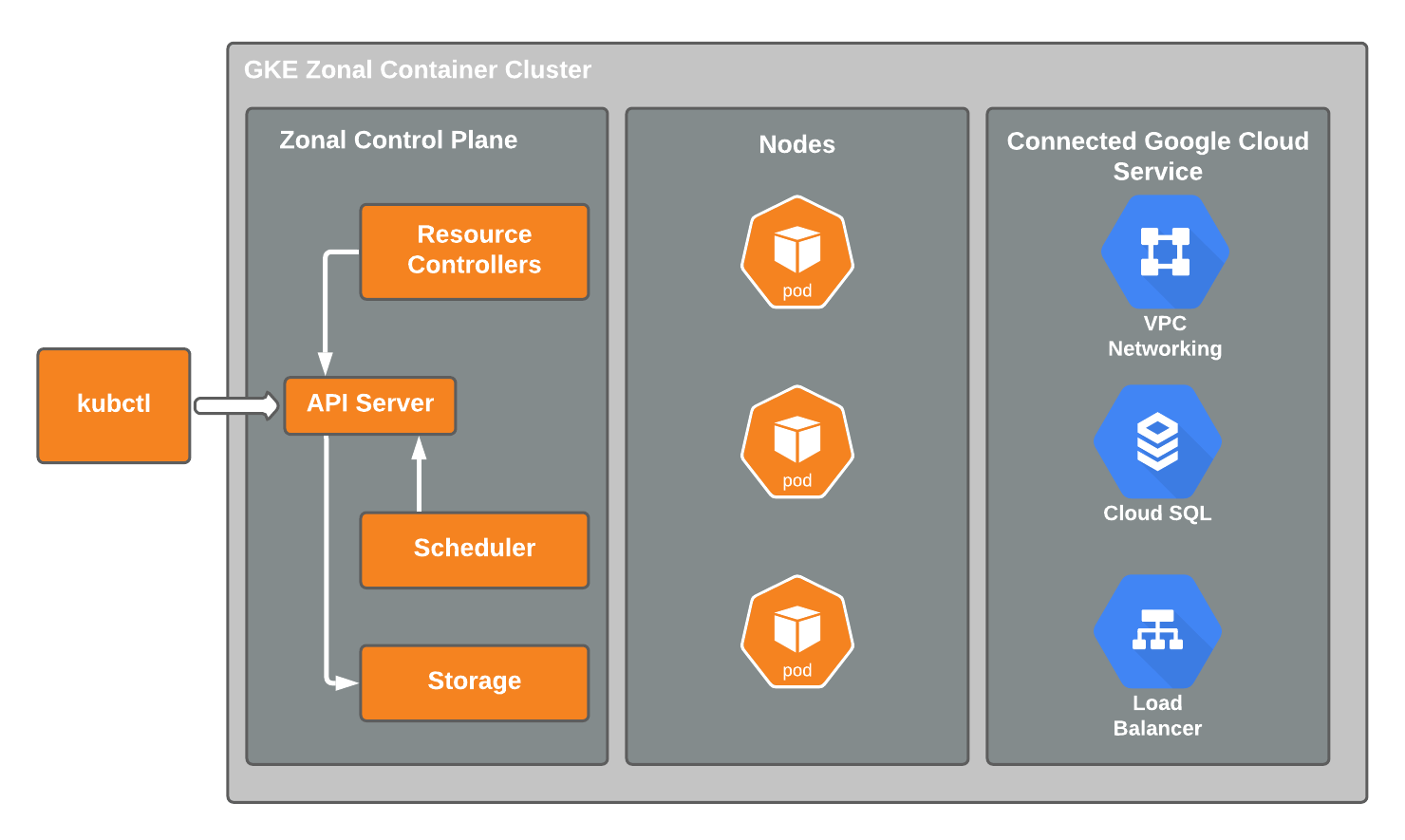
**Best for:** Startups where analytics, ML, container/Kubernetes workloads, or rapid iteration matter most.
**Things to watch out for:**
* Ecosystem is a bit smaller than AWS’s (though still very large).
* If you need very broad global infrastructure or highly specialised services, AWS may still have the edge.
---
### 4. DigitalOcean
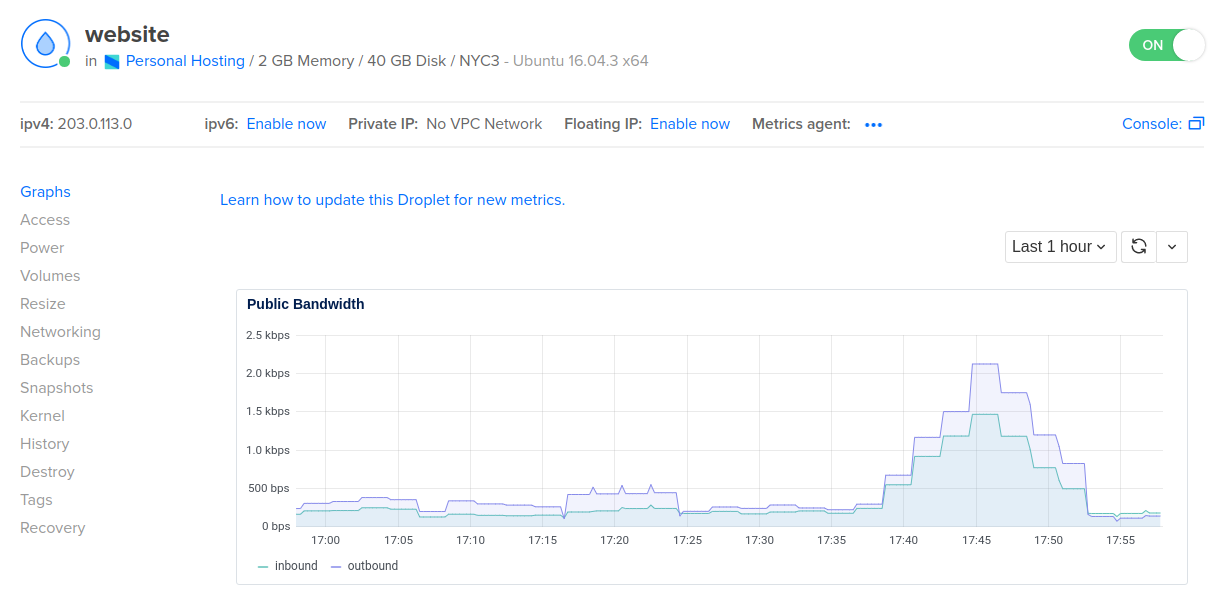

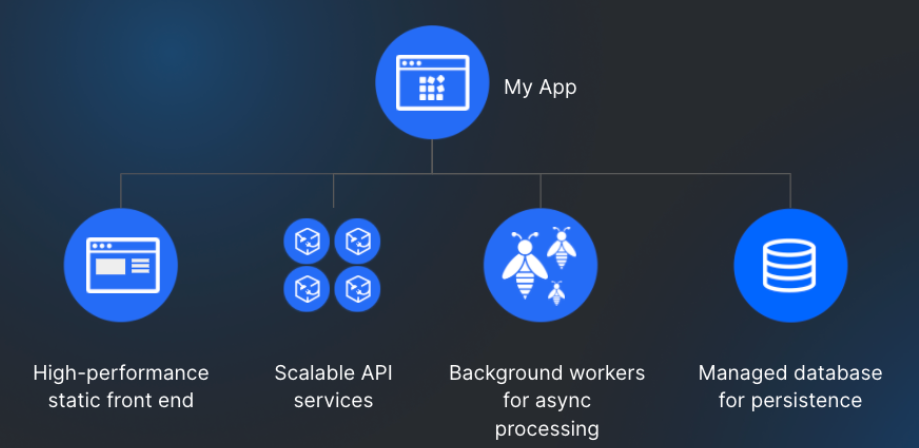


**Why you might consider it:**
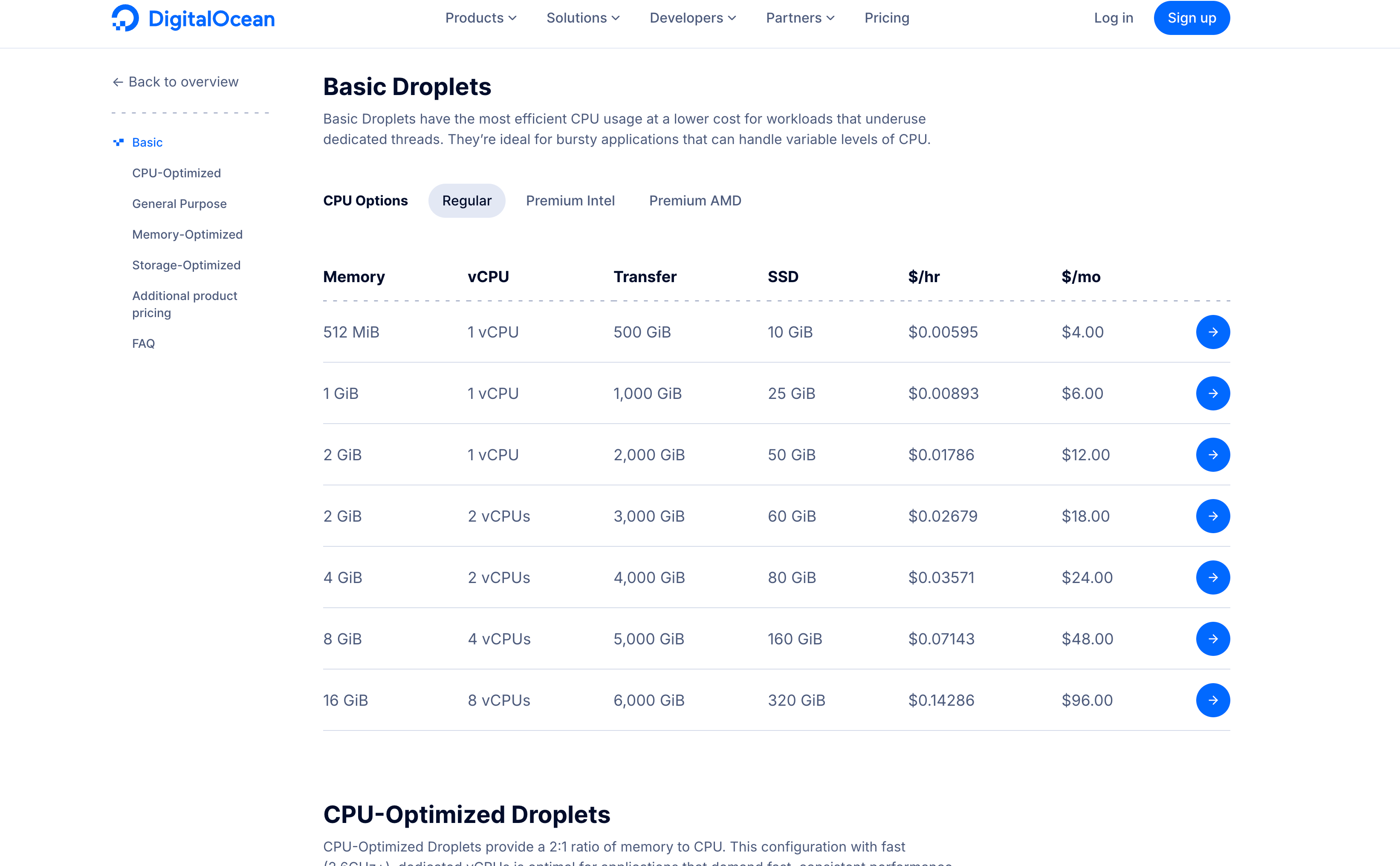
* Simpler, more “startup-friendly” than the big 3. Affordable, transparent pricing and easier to get started. ([Sahabe Cloud][2])
* Good for early-stage SaaS with limited budget, minimal infrastructure overhead, wanting something that just works without massive configuration.
**Best for:** Early-stage SaaS startups, MVPs, smaller teams, simpler architecture requirements.
**Things to watch out for:**
* Less global reach / fewer services compared to AWS/GCP/Azure. If you scale big, you might outgrow it.
* Might require trade-offs on features, redundancy, advanced services.
---
### 5. (Bonus) IBM Cloud / other niche providers



**Why it shows up:**
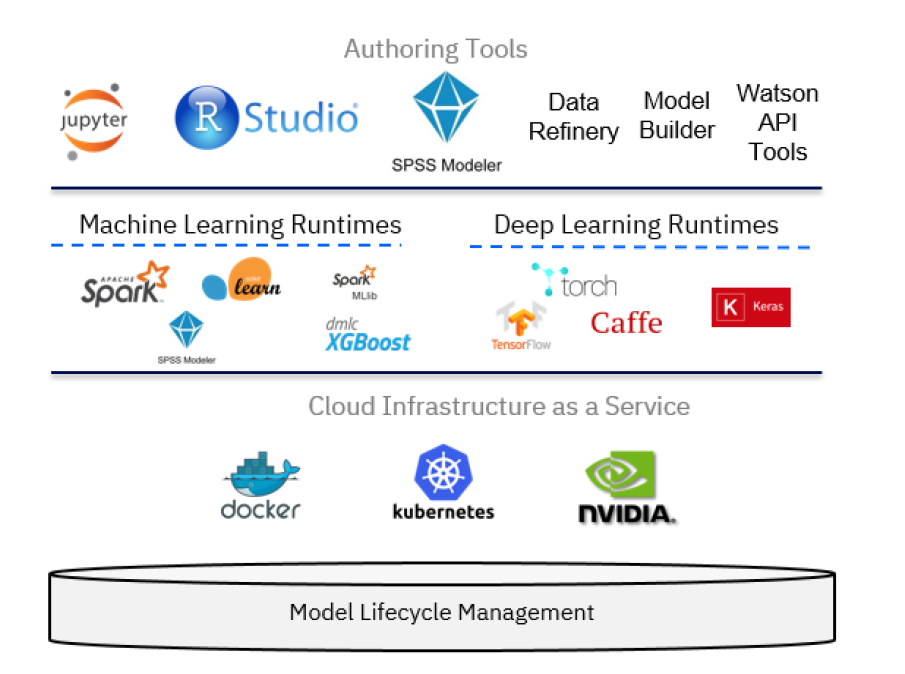
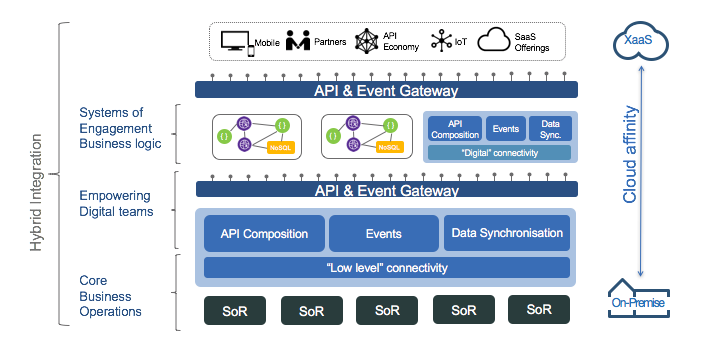
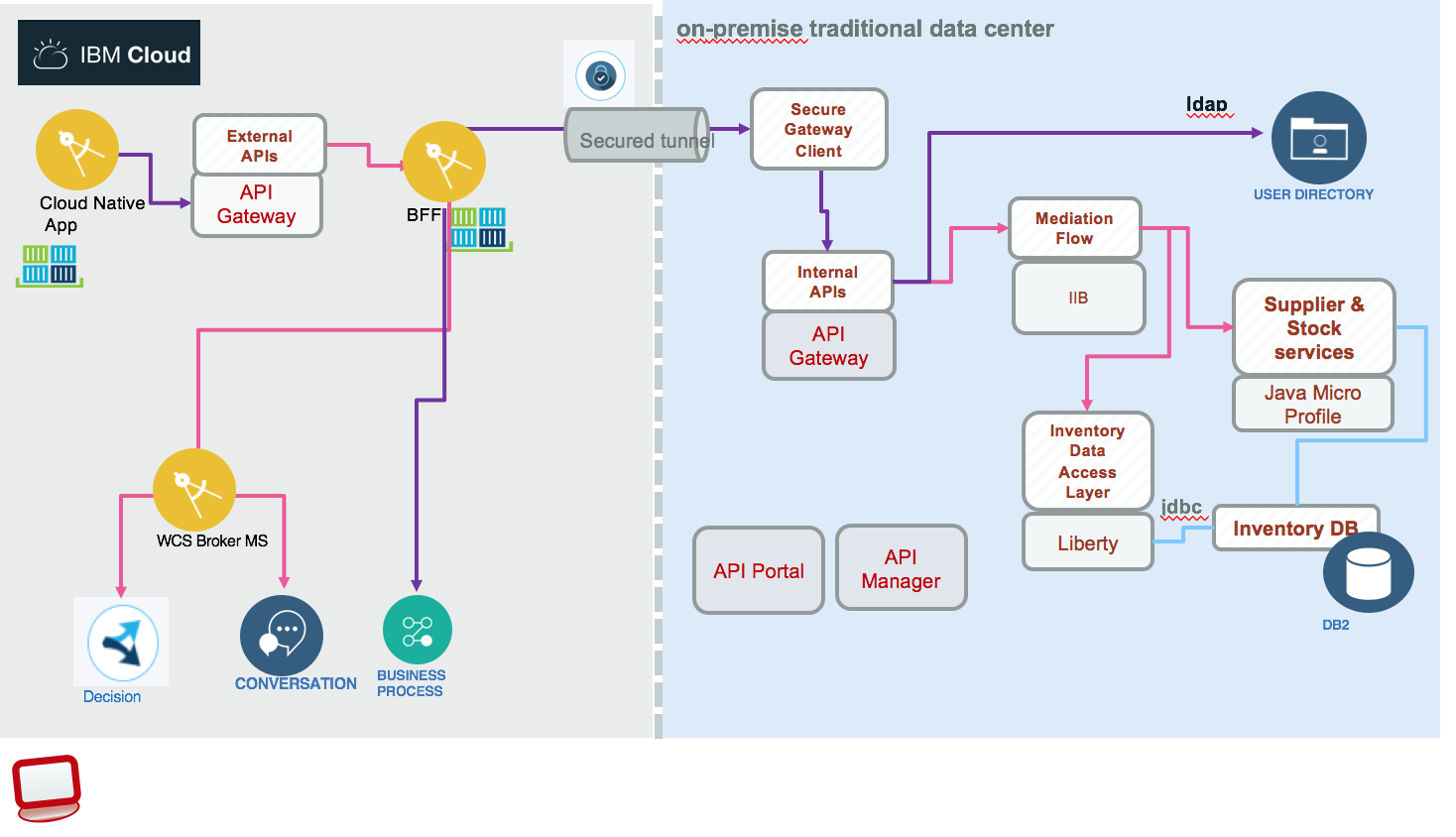
* If your SaaS startup operates in a highly regulated industry (finance, healthcare, government) where compliance, hybrid cloud, data sovereignty are critical, IBM Cloud is worth evaluating. ([sphinxjsc.com][9])
* There are also many region-specific/local providers which may offer advantages (cost, data-locality, local support) — worth looking into depending on your market.
**Best for:** Regulated industries, hybrid/on-premises scenarios, startups prioritising compliance from the start.
**Things to watch out for:**
* Might cost more / require more specialist operations.
* Ecosystem may not be as rich for “pure SaaS-from-cloud” startups compared to the hyperscalers.
---
## How to decide for *your* SaaS startup
Here are some decision criteria and trade-offs you should consider:
* **Stage of your startup**: If you’re just building an MVP and want to minimise cost/risk, something simpler (DigitalOcean or smaller provider) might make sense. If you expect rapid scale, global expansion, many services, go with a major provider.
* **Your stack and team expertise**: Do you use .NET/Windows or open-source Linux/containers? Are you comfortable with cloud operations or want more abstraction? The “fit” matters.
* **Growth & scale expectations**: If you expect to serve thousands/millions of users across geographies, you’ll need global infrastructure, redundancy, advanced services (monitoring, autoscale, multi-region), so major providers make sense.
* **Budget, credits & cost controllability**: Many major providers offer startup credits — look into those programmes. Also consider the long-term cost: initial credits help, but the ongoing cost when you scale matters.
> “very correct observation … the big 3 (AWS, Azure, GCP) are cheap to start and super expensive to run” — Reddit user ([Reddit][4])
* **Vendor lock-in & portability**: If you build deep into proprietary services of a given cloud, switching later becomes harder. If you value portability / multi-cloud, architect accordingly.
* **Geographic/regulatory requirements**: If you operate in Europe (you’re based in Prague), check data-residency, compliance (GDPR), latency. Some providers may perform better in your region.
* **Team size / ops overhead**: If you have a small dev team and minimal ops resources, pick a provider or setup with simpler operations (managed services, serverless) rather than managing VMs, networks, etc from day one.
---
If you like, I can pull together a **detailed comparison table** of the top 5 providers (services, pricing tiers, startup credits, suitability for SaaS) with emphasis on European region (Czechia / EU) so you can pick the best for your startup based in Prague. Would you like that?
[1]: https://rootstack.com/en/blog/comparing-top-cloud-service-and-infrastructure-providers?utm_source=chatgpt.com "Comparing Top Cloud Service and Infrastructure Providers | Rootstack"
[2]: https://sahabe.cloud/best-cloud-providers-for-saas-growth-in-2025-smb-guide/?utm_source=chatgpt.com "Best Cloud Providers for SaaS Growth in 2025: SMB Guide – Sahabe Cloud"
[3]: https://cyfuture.cloud/kb/cloud-computing/what-is-the-best-cloud-platform-for-startups-a-deep-dive-for-founders-and-builders?utm_source=chatgpt.com "What is the Best Cloud Platform for Startups? A Deep Dive for Founders and Builders"
[4]: https://www.reddit.com/r/SaaS/comments/1jbpjm1?utm_source=chatgpt.com "Best Cloud Provider for Startups – What’s Your Go-To?"
[5]: https://diggrowth.com/blogs/thought-leadership/cloud-wars-a-comparative-analysis-of-leading-cloud-vendors/?utm_source=chatgpt.com "A Detailed Analysis Of Leading Cloud Vendors"
[6]: https://csaccept.com/best-cloud-platforms-for-startups-in-2025/?utm_source=chatgpt.com "Best Cloud Platforms for Startups in 2025 - CS Accept"
[7]: https://kuberns.com/blogs/post/top-10-iaas-cloud-providers/?utm_source=chatgpt.com "Top 10 IaaS Cloud Providers Compared in 2025 | Kuberns Blog"
[8]: https://www.reddit.com/r/startups/comments/1gm15v8?utm_source=chatgpt.com "What’s your favorite startup cloud program and provider?"
[9]: https://sphinxjsc.com/blog/leading-cloud-services-every-startup-should-know?utm_source=chatgpt.com "Leading Cloud Services Every Startup Should Know"
Brands Mentioned
1
Amazon Web Services
2
Azure
3
Google Cloud Platform
4
Digital Ocean
5
Ibm Cloud