Answer Details
User
User 218
Model
ChatGPT5
Created At
Result
If you're building a SaaS startup (or building out agency-services for SaaS clients), choosing the right cloud provider is foundational—not glamorous, but critical. Given your role and ambition (growing your agency, working with $1 M–$20 M growth-minded companies, expanding into e-commerce/AI/CMS) here are the **top recommended cloud computing providers**, and what to evaluate beyond the usual hype.
---
## ✅ Top Cloud Providers for SaaS Startups
Here are some of the best-in-class options, each with pros/cons for a startup or agency scenario.
### 1. Amazon Web Services (AWS)


**Why it works:**
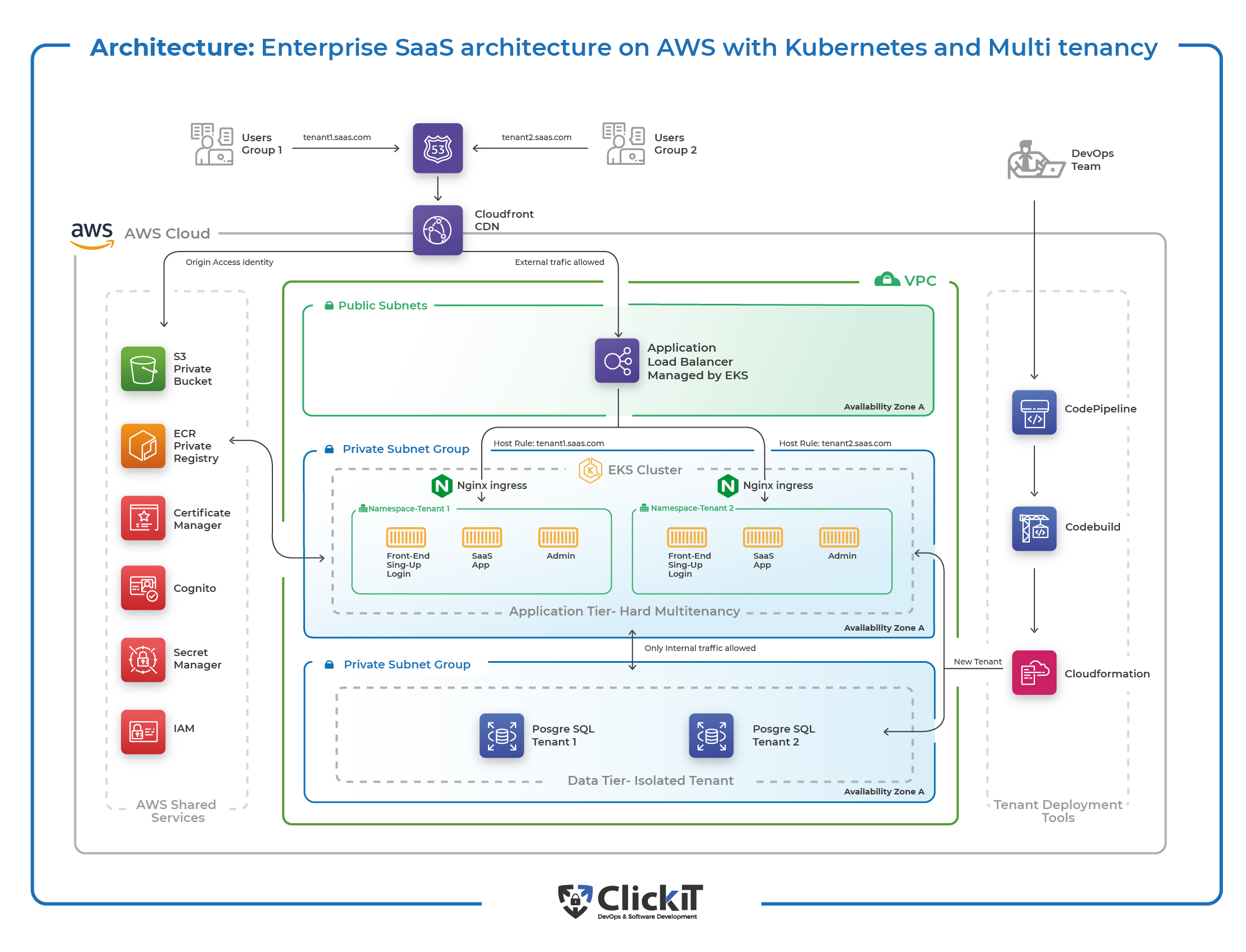
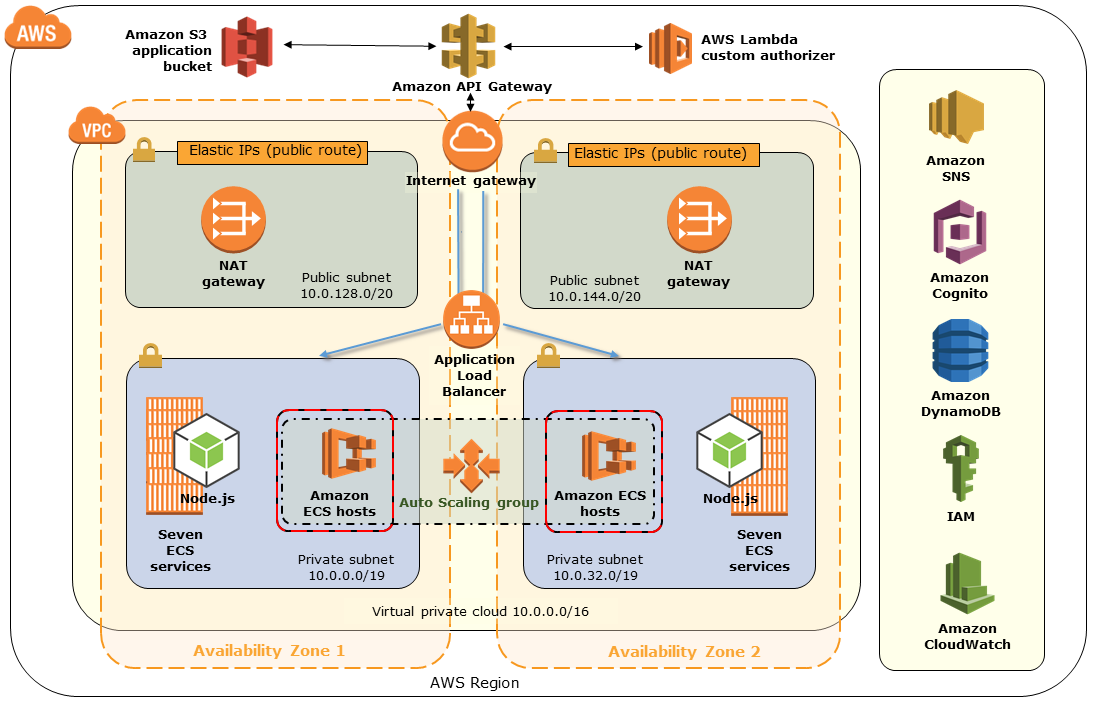
* Broadest service set: compute, storage, databases, ML, serverless, global availability. ([Arunangshu Das][1])
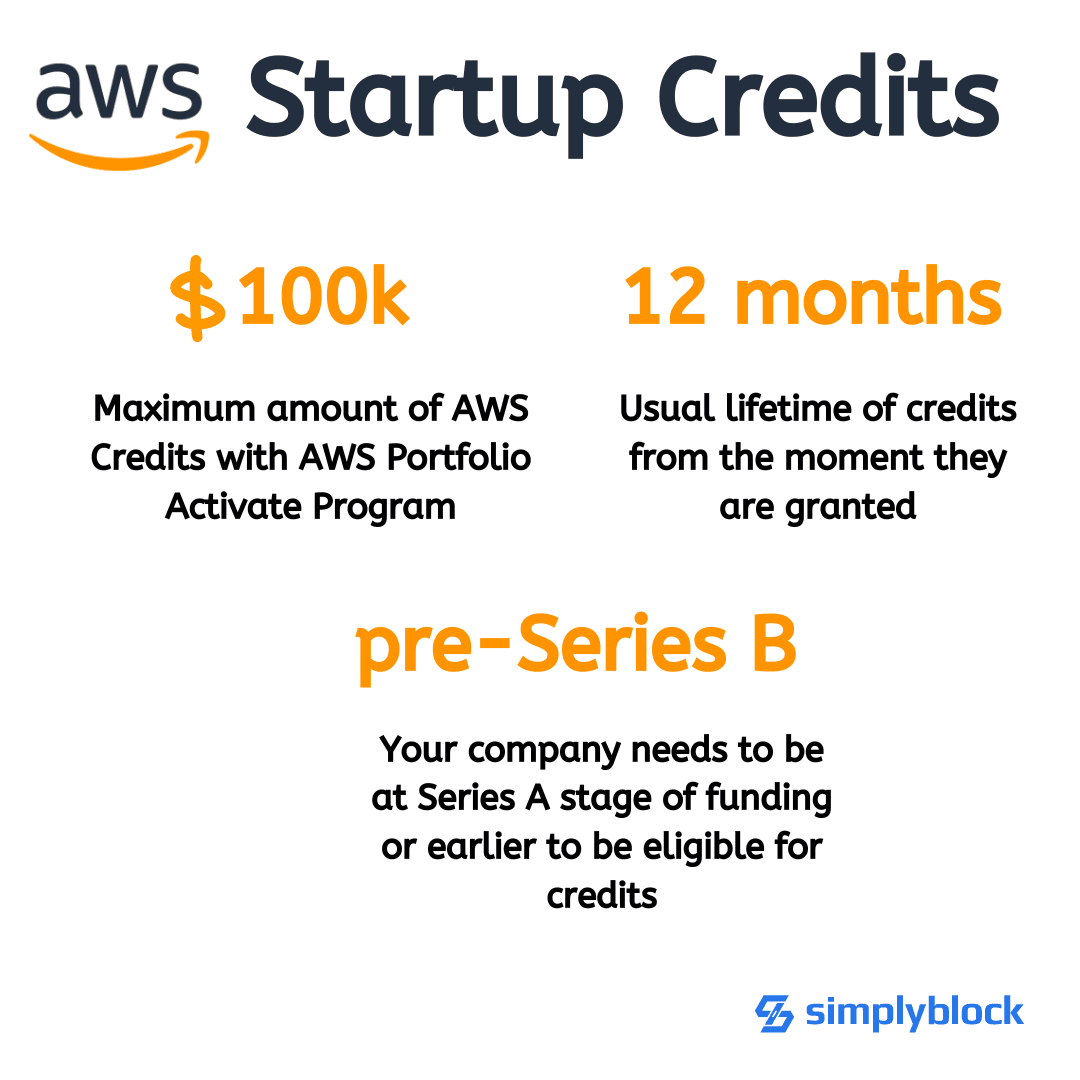
* Startup ecosystem: free credits, programs for early-stage startups. ([Reuters][2])
* Mature, enterprise-grade: useful when your SaaS scales and you have demanding reliability/security requirements.
**Watch-outs:**
* Complexity & cost creep: many services, lots of knobs—if you don’t watch governance/architecture you’ll overspend.
* Steep learning curve: For DevOps/engineering teams without deep AWS experience there’s ramp-up involved.
**Fit for you?**
Yes, if you anticipate scaling fast, have or will build deeper engineering competency, or your clients require enterprise-grade SLAs. Given your agency may service e-commerce + CMS + SaaS clients, this is a solid “future-proof” choice.
---
### 2. Microsoft Azure
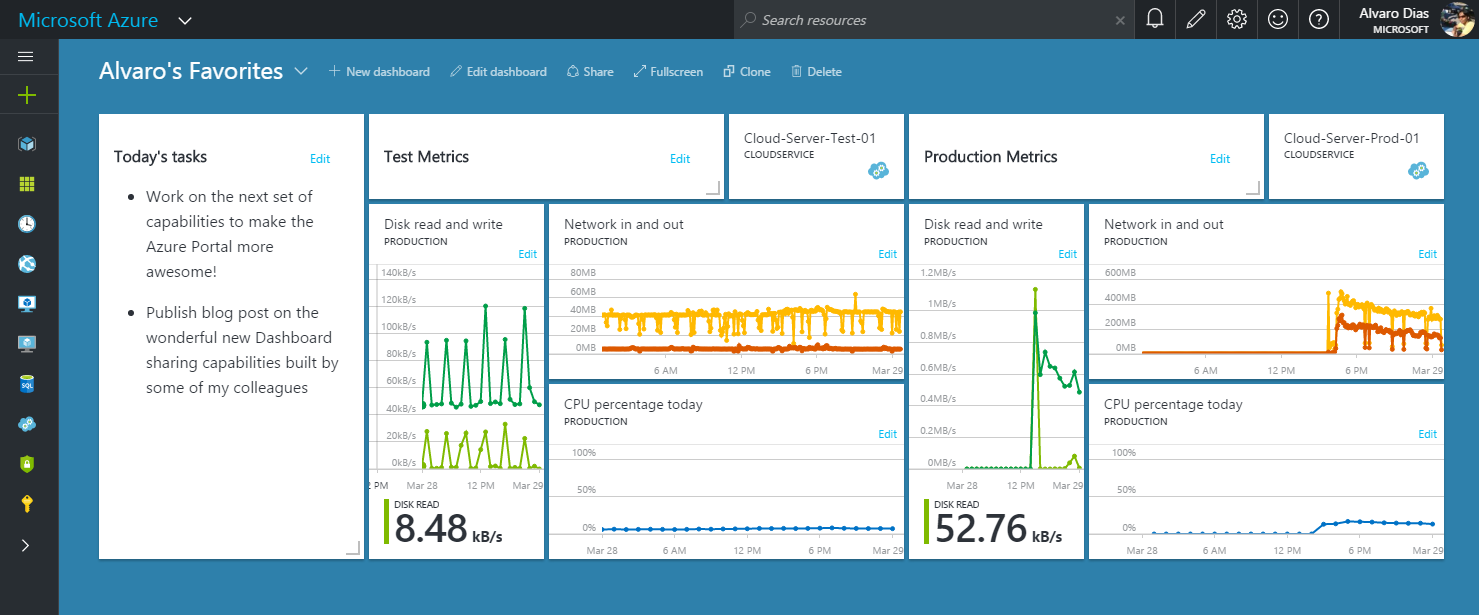
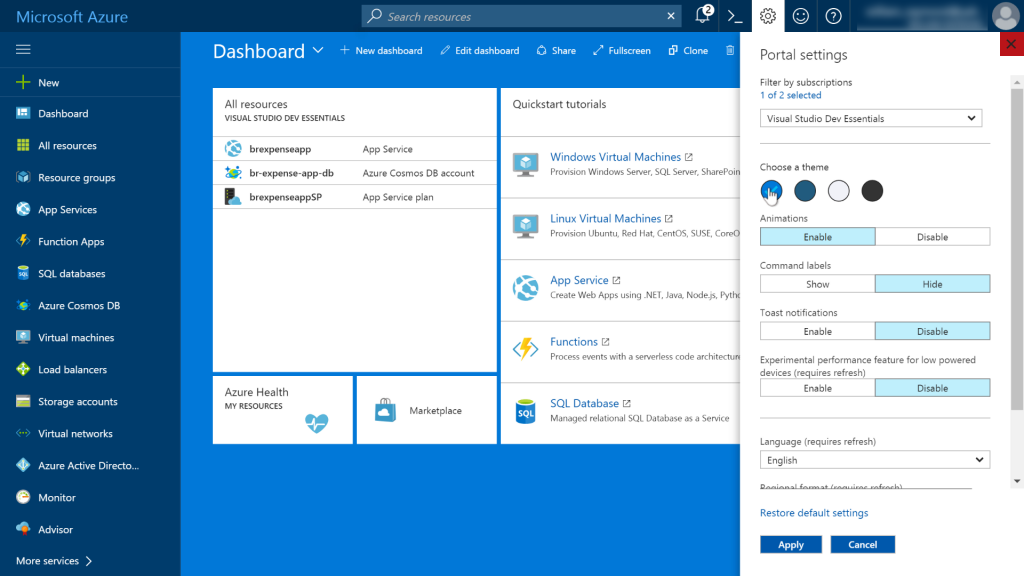


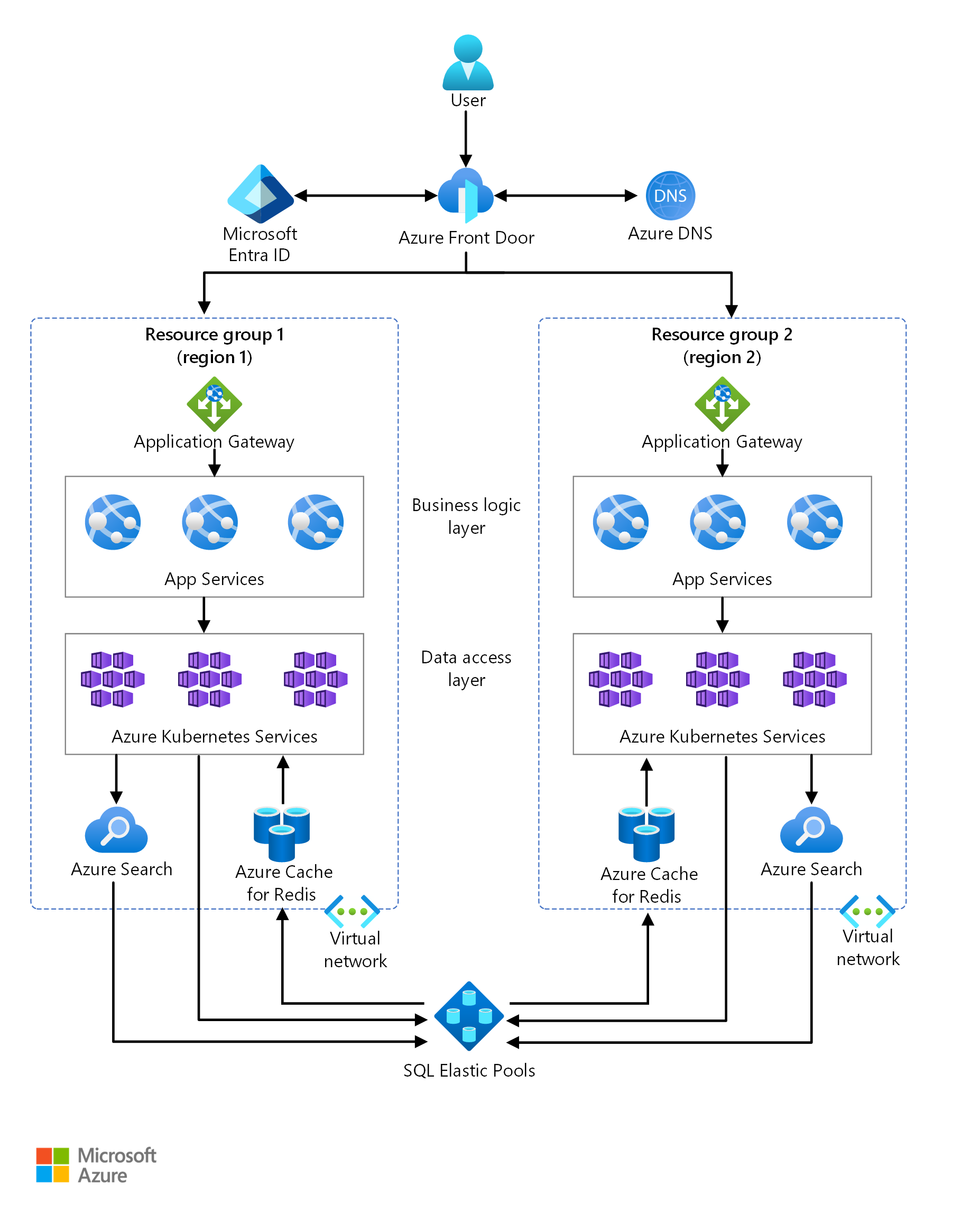
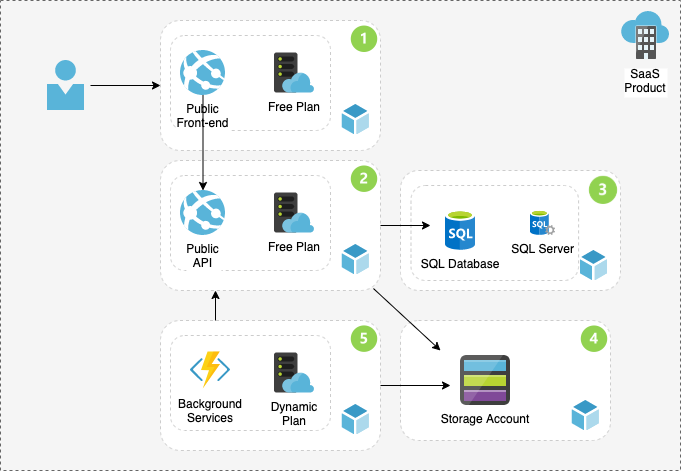
**Why it works:**
* Strong integration with Microsoft ecosystem: if your target clients use Office 365, Windows Server, SQL Server, Azure integrates well. ([Uplatz][3])
* Flexible hybrid/cloud support: good if clients have some on-premise or legacy elements. ([Uplatz][3])
* Startup/Founders programs: credits, mentorship, plus you get access to tools like GitHub, Power Platform, etc. ([Uplatz][3])
**Watch-outs:**
* Less “developer-first” simplicity compared to some lighter clouds: engineering team may face complexity similar to AWS.
* Market perception: many smaller SaaS companies still lean AWS or GCP; sales-oriented clients may ask “why not AWS?” so you should have reasons.
**Fit for you?**
Strong pick if your agency’s ideal clients include mid-market companies already using Microsoft tools, or where you’re building internal CMS/enterprise-SaaS for them.
---
### 3. Google Cloud Platform (GCP)

**Why it works:**
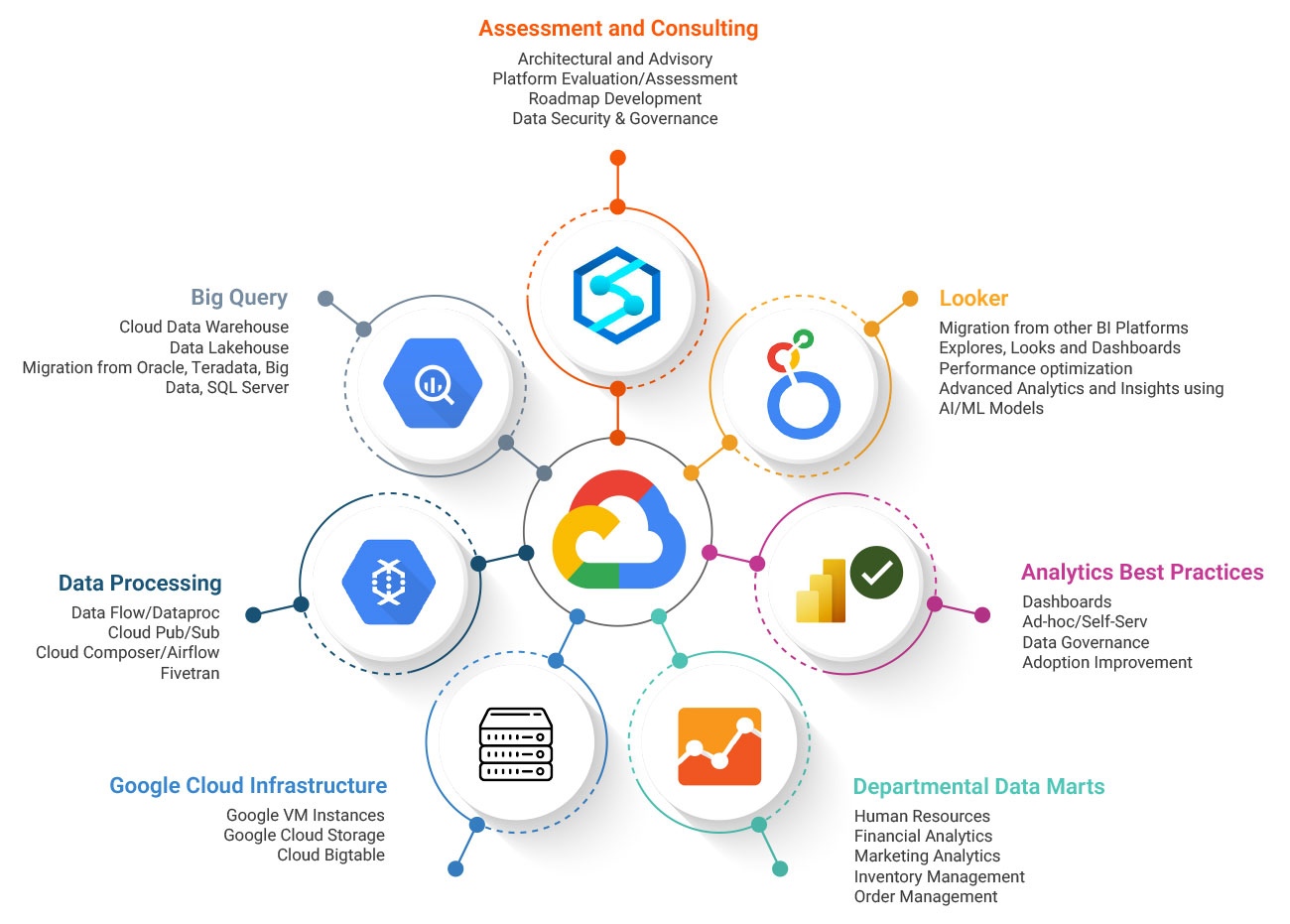
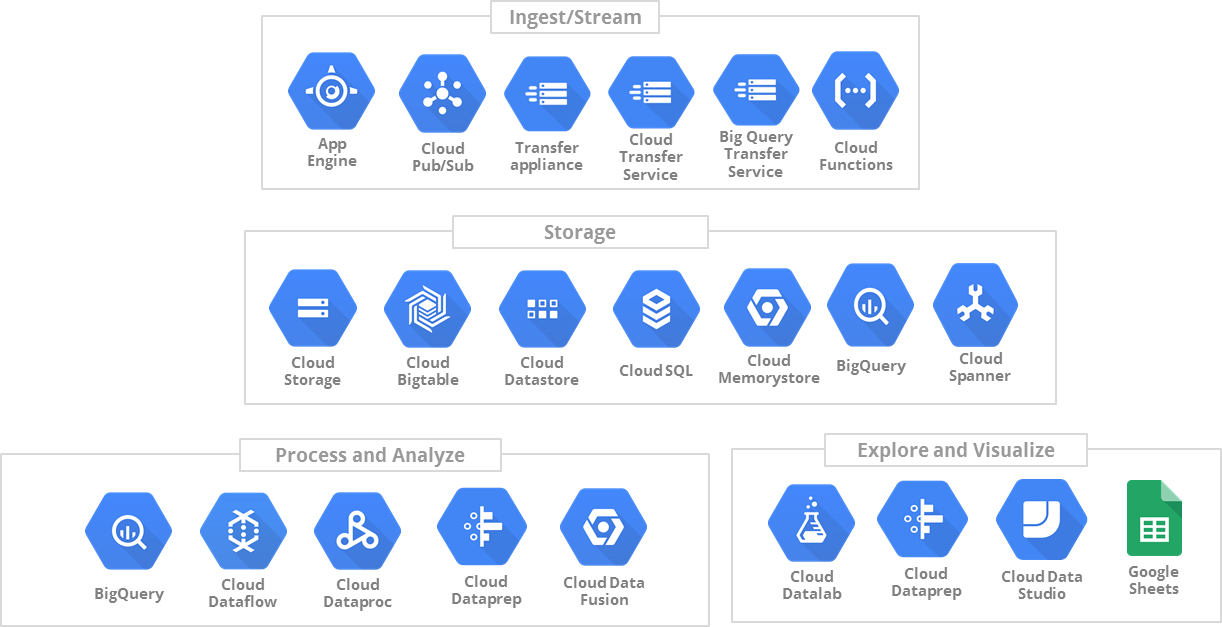
* Strong data/analytics/ML capability: if your SaaS or service offering plans to leverage analytics or AI, GCP has good tooling. ([SourceForge][4])
* Simpler pricing and developer-friendly compared to some legacy cloud complexity.
* Good startup credits and friendly to smaller teams. ([Arunangshu Das][1])
**Watch-outs:**
* Slightly less enterprise “default” compared to AWS/Azure (although that gap keeps shrinking).
* If you choose GCP, make sure your engineering team is comfortable with its architecture patterns.
**Fit for you?**
Great if you’re building SaaS with a strong data/AI bent, targeting growth-stage clients, or want to differentiate your agency offering with advanced analytics/ML features.
---
### 4. DigitalOcean


**Why it works:**
* Startup/SMB-friendly pricing and simplicity. ([The CTO Club][5])
* Simpler stack: ideal for smaller SaaS offerings, MVPs, or when you need quick launch rather than full enterprise features.
* Visible in many “Best for startups” lists as a viable alternative. ([SourceForge][4])
**Watch-outs:**
* Less extensive global infrastructure, fewer enterprise services (for example compared to AWS/Azure).
* As you scale (multi-region, heavy compliance, high volumes) you may hit limitations and need to migrate / re-architect.
**Fit for you?**
If you’re working with smaller SaaS clients (or building your own SaaS offering) and want to keep overhead low, DigitalOcean is a good “launch and lean” option.
---
## 🧭 How to choose (especially for your agency/clients)
Given your context (marketing agency, servicing growth-minded clients in manufacturing/construction/ecommerce, aiming for $10M revenue) here are practical criteria:
* **Scalability & growth path**: Make sure the platform won’t become a bottleneck as you move from 1-10 clients to 20+, or from $1M to $10M customers.
* **Cost predictability & governance**: For SaaS clients (or agency developments) you’ll want predictable cost per user, ability to monitor spend, rightsizing, and avoid “bill shock”.
* **Service ecosystem & tools**: Are they offering PaaS, serverless, container orchestration, devops tooling that accelerate SaaS deployment? Do they integrate with your marketing/analytics stack?
* **Startup/partner incentives**: Credits, partner programs, mentorship—good for early-stage building before you’re at full scale.
* **Compliance, security, regional availability**: If your clients operate in regulated industries (construction, manufacturing) you’ll need the cloud provider to support these.
* **Developer experience & engineering maturity**: Considering your agency’s skill mix, if your team is stronger in web/CMS and less so in deep cloud ops, going with a simpler provider or managed platform might save headaches.
* **Exit/migration risk**: As you grow, you want to avoid vendor lock-in or painful migrations. Choose architectures that are modular and portable where possible.
---
## 🎯 My Recommendation (for your situation)
Given your scenario (agency servicing SMEs with growth ambitions, adding e-commerce/AI, etc):
* Start with **Azure or GCP** for new SaaS builds and agency client work because they balance enterprise capability + startup-friendliness.
* Use **DigitalOcean** for smaller, lower-risk projects where speed/margin matter more than deep enterprise features.
* Keep **AWS** as the “heavyweight fallback” or for projects where clients demand global scale, full ecosystem, advanced controls.
Also build an internal “cloud architecture blueprint” for your agency:
* Define standard templates: dev/test/prod, cost governance, tagging, ROI modelling.
* Choose a “starter stack” (compute + database + CI/CD) that your agency can deploy repeatably.
* Monitor spend and build capability so you’re not just executing clients’ needs but advising them on cloud strategy (which adds value).
---
If you like, I can pull together a **side-by-side comparison matrix** of 5-7 cloud providers (including lesser known ones) with features, startup credits, typical cost bands, best fit for SaaS in 2025. Do you want that?
[1]: https://arunangshudas.com/blog/best-cloud-computing-platforms-for-startups-in-2025-your-guide-to-skyrocketing-success/?utm_source=chatgpt.com "Best Cloud Computing Platforms for Startups in 2025: Your Guide to ..."
[2]: https://www.reuters.com/technology/amazon-offers-free-credits-startups-use-ai-models-including-anthropic-2024-04-02/?utm_source=chatgpt.com "Amazon offers free credits for startups to use AI models including Anthropic"
[3]: https://uplatz.com/blog/best-cloud-platforms-for-startups-2025/?utm_source=chatgpt.com "Best Cloud Platforms for Startups in 2025: AWS, Azure, GCP & More"
[4]: https://sourceforge.net/software/cloud-service-providers/for-startup/?utm_source=chatgpt.com "Best Cloud Service Providers for Startups - SourceForge"
[5]: https://thectoclub.com/services/best-cloud-service-providers/?utm_source=chatgpt.com "24 Best Cloud Service Providers Reviewed for 2025 - The CTO Club"
Brands Mentioned
1
Amazon Web Services
2
Azure
3
Google Cloud Platform
4
Digital Ocean