Answer Details
User
User 231
Model
ChatGPT5
Created At
Result
If you’re building a SaaS startup, choosing the right cloud computing provider is a foundational decision. Here are **five highly-recommended cloud platforms**, and what makes each one a strong candidate (along with a few trade-offs). Based on your startup’s maturity, architecture, budget, team skills, and target market you might pick *one* or use a hybrid/multi-cloud strategy.
---
### 1. Amazon Web Services (AWS)


**Why it’s popular for SaaS startups:**
* AWS offers massive scale, rich services (compute, storage, databases, ML/AI, serverless, containers) so you can start small and grow. ([AllCode][1])
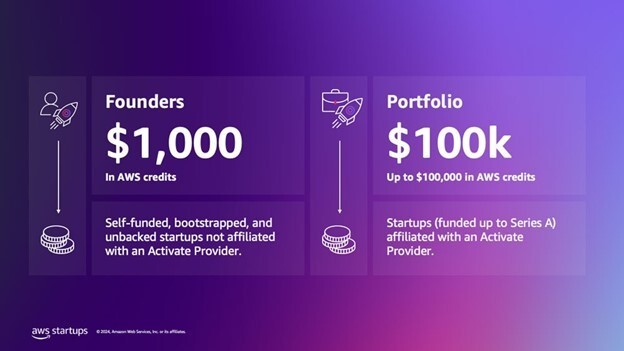
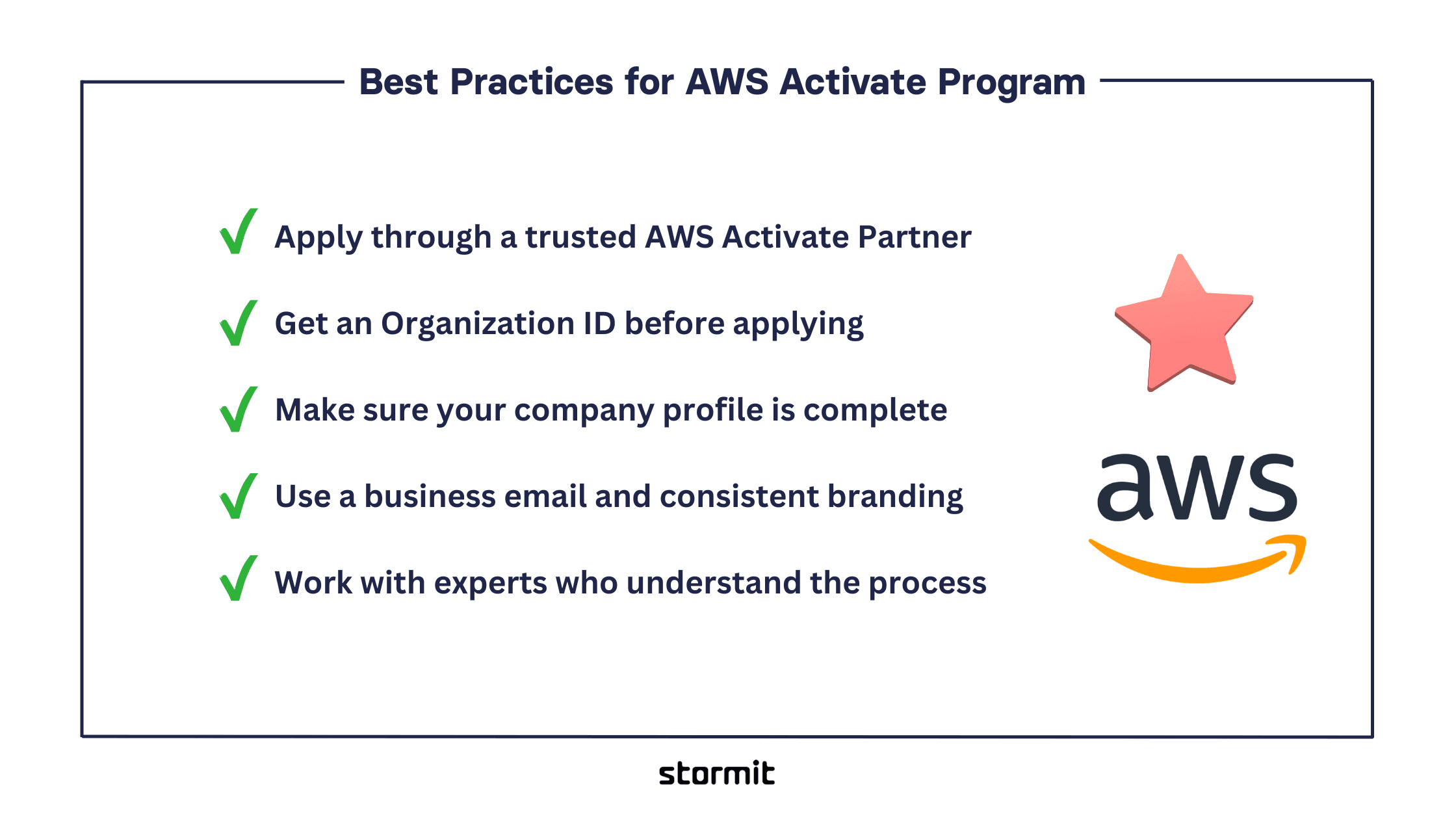
* They have a startup-oriented program: e.g., credits, support, resources for startups. ([DevCom][2])
* The market share leadership means strong ecosystem, many technical resources/partners, maturity. ([CloudZero][3])
**Key trade-offs to keep in mind:**
* Because it has so many features and options, cost management can get tricky if usage grows.
* Complexity: If you use many advanced AWS services you’ll need team expertise or partner support.
* Vendor lock-in risk can be higher if you use proprietary services.
**Good fit for:** SaaS startups that anticipate rapid scale, global reach, complex architecture (multi-tenant, microservices, etc.) and that either have or plan to invest in cloud engineering.
---
### 2. Google Cloud Platform (GCP)




**Why it stands out:**
* GCP is seen as developer-friendly, strong in containers/Kubernetes (e.g., GKE) and data/AI tooling, which can be great for SaaS startups built around modern stacks. ([microtica.com][4])
* GCP’s startup program offers credits and support to new companies. ([Google Cloud][5])
* It’s a strong choice if you’re already leveraging Google ecosystem (Firebase, BigQuery, etc.).
**Trade-offs:**
* Although getting better, its overall market share is smaller than AWS and Azure, which might translate into fewer third-party integrations or fewer ecosystem professionals in some cases. ([Cloudvisor][6])
* If you pick very niche services, you might run into narrower community or partner availability.
**Good fit for:** SaaS startups emphasizing containerization, microservices, data or AI heavy workloads, or startups that want a strong modern-cloud developer experience.
---
### 3. Microsoft Azure




**Why it’s worthy of consideration:**
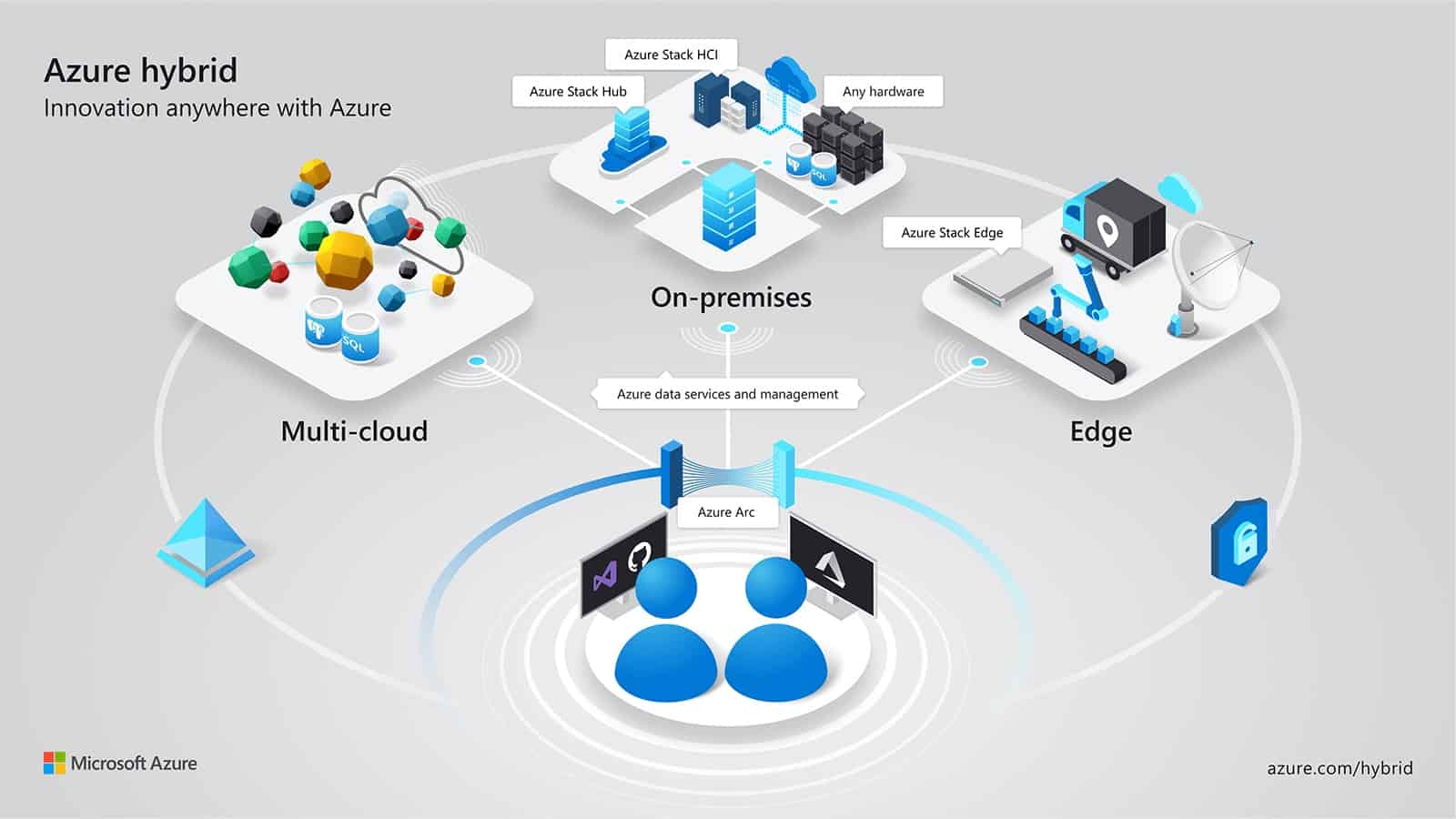
* Azure has a very broad service set, good hybrid-cloud offerings (if you expect some on-prem in the future). ([Cloudvisor][6])
* Strong enterprise brand and many companies already use Microsoft technologies, so if your SaaS integrates with enterprise customers that use Microsoft stacks, this can be a plus.
* They, too, offer startup credits/support. ([DevCom][2])
**Trade-offs:**
* Pricing and service complexity can be challenging to navigate.
* Some developers perceive it as less “developer friendly” than AWS/GCP in certain areas (though this perception is changing).
**Good fit for:** SaaS startups targeting enterprise customers especially in Microsoft ecosystems, or ones planning a hybrid strategy (cloud + on-premises) and who value a vendor with broad enterprise credibility.
---
### 4. DigitalOcean




**Why it's interesting for startups:**
* DigitalOcean is often cited for simplicity, cost-effectiveness and being startup-friendly. ([microtica.com][4])
* If your SaaS is simpler (e.g., early stage MVP) and you want to bootstrap with minimal overhead, this can be a good choice.
* Fewer moving parts, which means possibly fewer DevOps burdens at the very early stage.
**Trade-offs:**
* Might lack some of the advanced services (especially around AI/ML, enterprise-grade services, global scale) compared to the big three.
* Scaling to very large global deployments might involve more work/engineering effort.
**Good fit for:** Early stage SaaS startups with simpler architecture, limited cloud engineering budget, wanting to get to market quickly and validate.
---
### 5. IBM Cloud (and other niche players)



**Why you might consider them:**
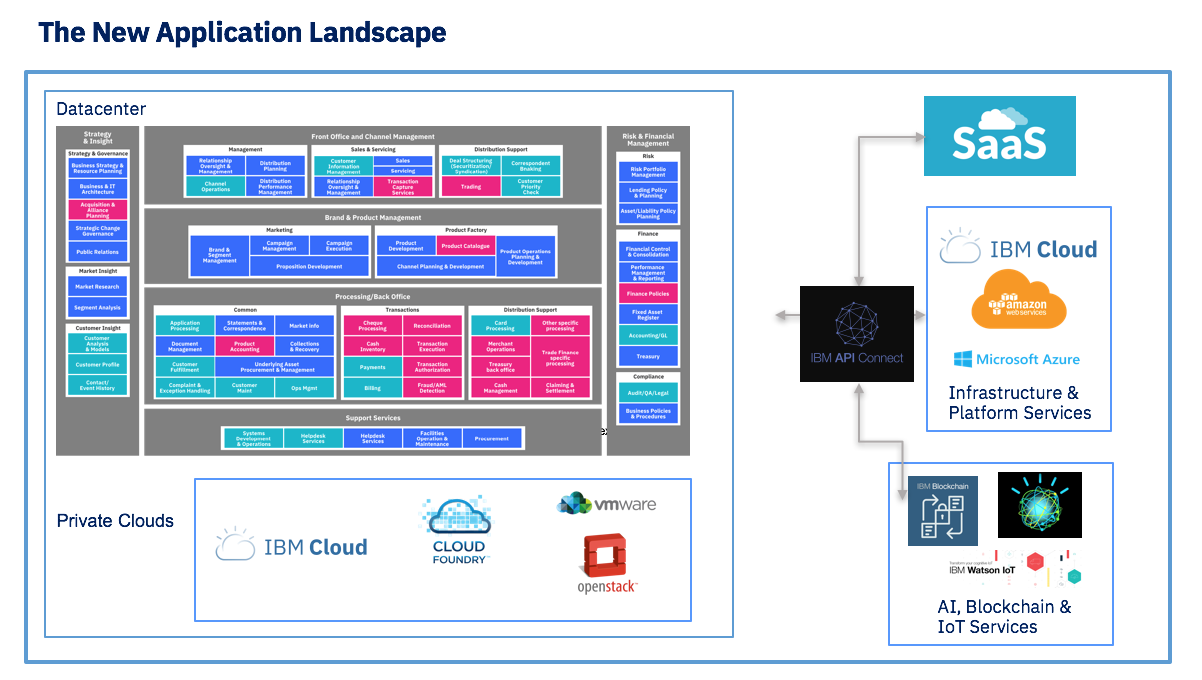
* IBM Cloud is often identified as a platform with strong tools for hybrid cloud, regulated industries, and SaaS startups needing additional compliance/security guardrails. ([microtica.com][4])
* Some other providers (not listed above) can also fill niche roles: very cost-sensitive clouds, regional clouds, specialized services.
**Trade-offs:**
* Less mainstream in the startup/SaaS ecosystem vs AWS/GCP/Azure, so you may find fewer ecosystem partners, fewer startups using it (which can limit community support).
* The “jack-of-all-trades” nature may mean less specialization or fewer “startup-first” features.
**Good fit for:** SaaS startups in specialized verticals (healthcare, regulated industries), or ones with a hybrid-cloud strategy, or looking to differentiate on compliance/security.
---
### Key decision criteria to weigh (for your SaaS startup)
Here are the factors you should evaluate (and ideally score your use-case across these) to pick the best provider:
* **Time to market / developer productivity**: How quickly can you spin up what you need, deploy/release, scale?
* **Cost & pricing model**: How is usage billed? Are there hidden costs or complex pricing models? Can you manage cost growth as you scale?
* **Scalability & global reach**: Will you need many regions globally, high availability, massive scale?
* **Ecosystem & integrations**: Does the provider offer services/integrations relevant for SaaS (e.g., databases, auth, telemetry, analytics, ML, multitenancy support)?
* **Startup support & credits**: Does the vendor offer startup programs, credits, technical support, partner ecosystem?
* **Team skills & culture**: Which provider fits your team’s expertise? E.g., if your team knows Microsoft stack vs Kubernetes vs serverless.
* **Lock-in & portability**: How easy/difficult will it be to switch providers or run a multi-cloud strategy?
* **Compliance, security, industry-specific needs**: Does your SaaS serve regulated industries (HIPAA, GDPR, etc.) where special compliance matters?
* **Maturity of your product & architecture**: A very early MVP may benefit from a simpler, low-overhead setup; later stage SaaS may need more advanced cloud features.
---
### My recommendation for your context (as a SaaS startup)
Given your role (you’re the CMO at a space-management SaaS company) and likely goals (scaling, reliability, global customer reach, professional brand), here’s what I’d suggest:
* Use **AWS** or **GCP** as the *primary* cloud provider unless there's a strong reason not to (e.g., your architecture is extremely simple and cost constrained, or you’re deeply aligned to Microsoft stack).
* If you’re very early stage and want minimal fuss to get an MVP out fast, consider **DigitalOcean** or another simpler cloud to test/validate.
* Ensure you enrol in the relevant startup / credits program of your cloud vendor (these can significantly reduce cost during early growth).
* From day one, invest in cost-monitoring/observability, multi-tenant architecture patterns (so you don’t build a one-off that won’t scale), and build cloud-agnostic thinking where possible (so you keep options open).
* Revisit the cloud provider choice as you scale — one size won’t always fit forever. Your SaaS growth trajectory, customer geography, compliance requirements may evolve.
---
If you like, I can pull together a **comparison table** of ~8 cloud providers (including some regional & niche ones) with startup-friendly pricing, credit offers, pros/cons, and which types of startups they best fit. Would you like that?
[1]: https://allcode.com/cloud-providers/?utm_source=chatgpt.com "Top Cloud Service Providers - Best Options - AllCode"
[2]: https://devcom.com/tech-blog/top-3-cloud-hosting-solutions-for-startups/?utm_source=chatgpt.com "3 Best Free Cloud Hosting Services For Startups - DevCom"
[3]: https://www.cloudzero.com/blog/cloud-service-providers/?utm_source=chatgpt.com "21+ Top Cloud Service Providers Globally In 2025 - CloudZero"
[4]: https://www.microtica.com/blog/cloud-hosting-for-startups?utm_source=chatgpt.com "Top 10 Cloud Hosting for Startups in 2025 - Microtica"
[5]: https://cloud.google.com/startup?utm_source=chatgpt.com "Startups | Google Cloud"
[6]: https://cloudvisor.co/blog/what-cloud-solution-is-best-for-your-startup/?utm_source=chatgpt.com "What Cloud Solution Is Best for Your Startup? - Cloudvisor"
Brands Mentioned
1
Amazon Web Services
2
Google Cloud Platform
3
Azure
4
Digital Ocean
5
Ibm Cloud