Answer Details
User
User 227
Model
ChatGPT5
Created At
Result
If you’re a SaaS startup looking to choose a cloud computing provider, here are some of the **most highly recommended** options — along with what makes each one good (and where they may have trade-offs).
---
### Top providers
#### 1. Amazon Web Services (AWS)




**Why it’s popular**
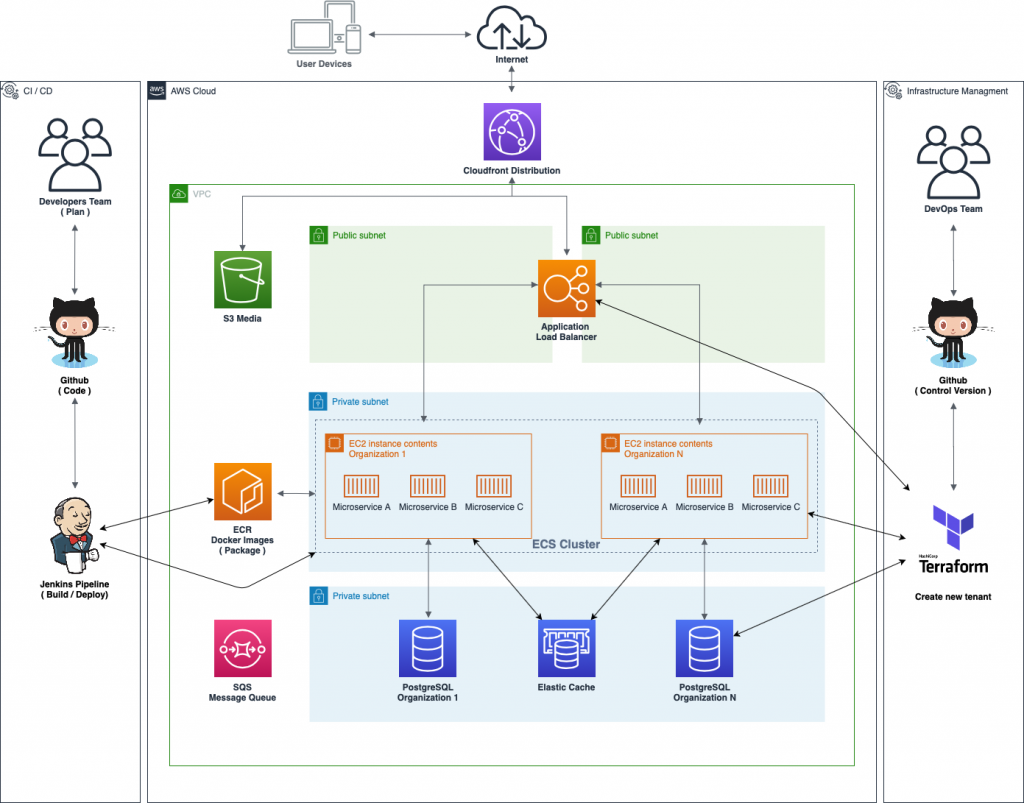
* Huge breadth of services (compute, storage, serverless, managed databases, analytics, machine learning) which is useful if you plan to scale or diversify your offering. ([Startup Central -][1])
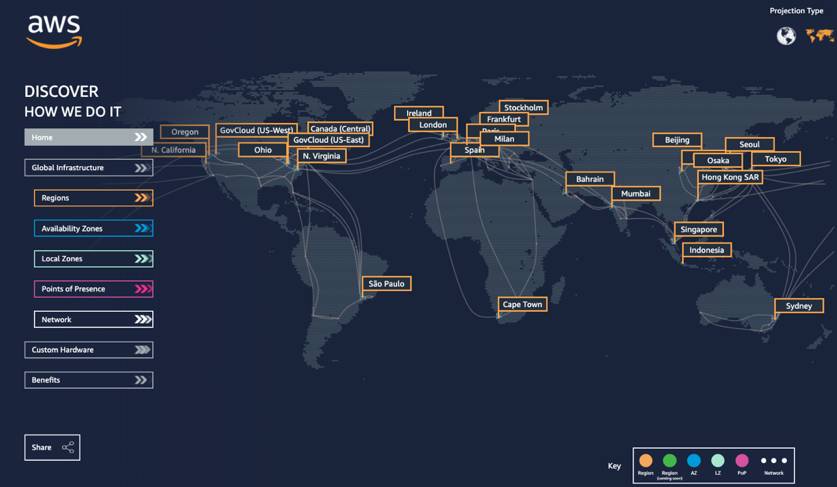
* Global infrastructure and mature reliability/uptime. ([Startup Central -][1])
* Strong support programs for startups (credits, ecosystem). ([sphinxjsc.com][2])
**Trade-offs / things to check**
* It can be complex to manage (many services, many configuration options) which may create overhead unless you’re comfortable with cloud ops. ([Startup Central -][1])
* Costs can accumulate if you aren’t careful with usage, especially as you scale.
**Good for** SaaS startups planning to grow fast, launch globally, use advanced services, or integrate many moving parts.
---
#### 2. Google Cloud Platform (GCP)


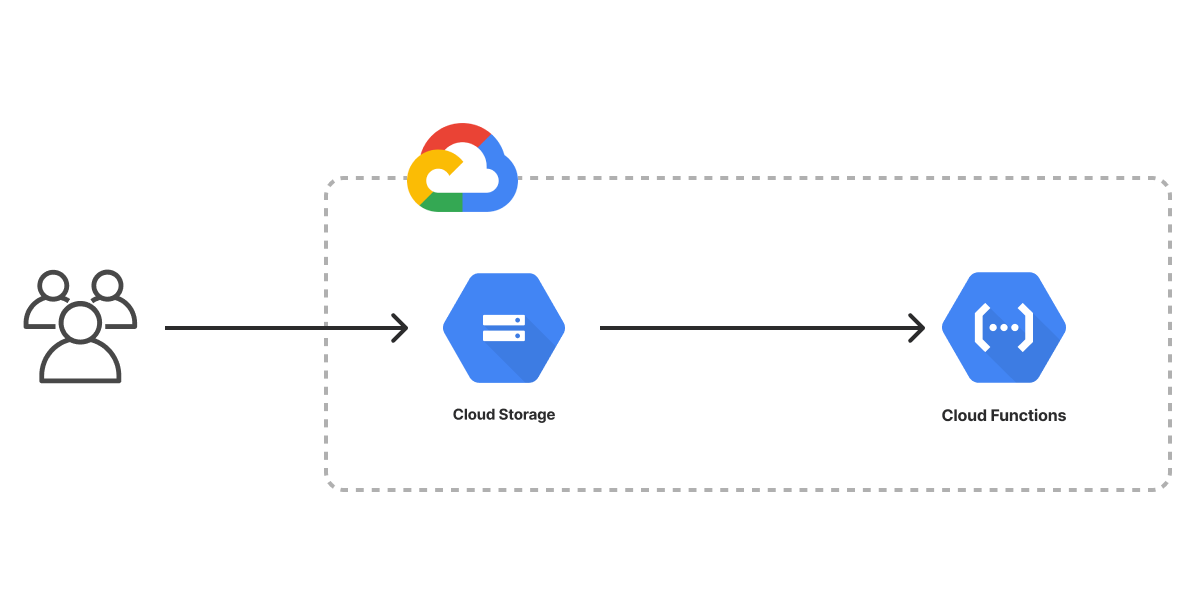

**Why it’s popular**
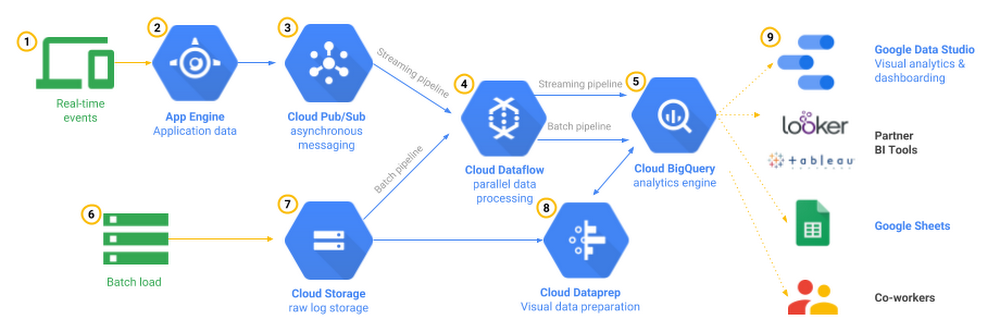
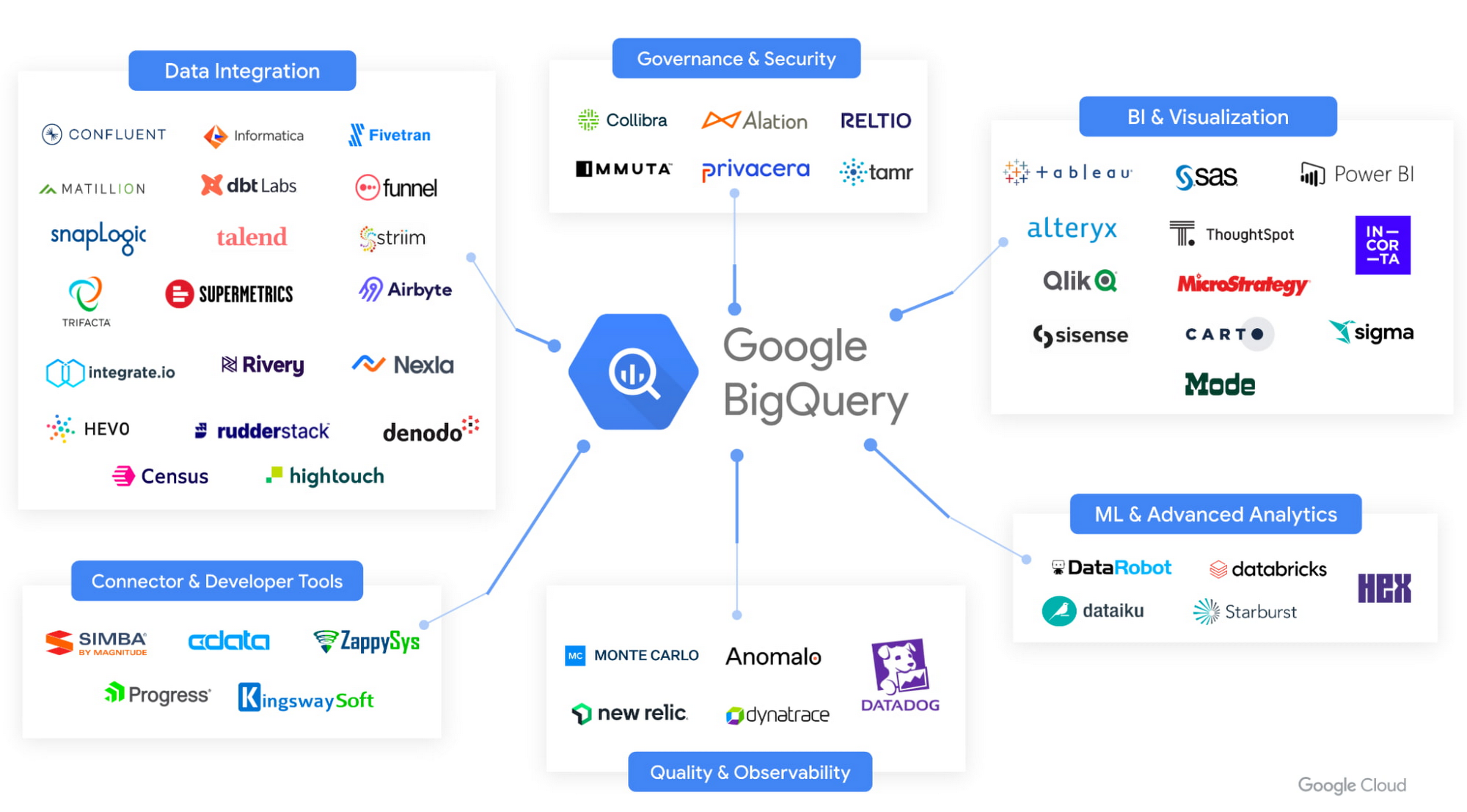
* Strong in data analytics, machine learning and API-first services — good if your SaaS relies on data or AI. ([makbtech.com][3])
* Startup-friendly programs with good credits and support. ([OneClick IT Consultancy][4])
* Clean and modern interface in many parts, and developer-friendly tools. ([thehostingreviews.net][5])
**Trade-offs**
* While global infrastructure is good, some regions or service feature-sets may lag slightly behind AWS in terms of breadth. ([Webby Cloud][6])
* As with all cloud providers: pricing can get tricky if you’re not optimizing usage.
**Good for** SaaS startups that emphasize data/ML, want a modern developer-friendly platform, or already use Google tools (Firebase, BigQuery, etc).
---
#### 3. Microsoft Azure
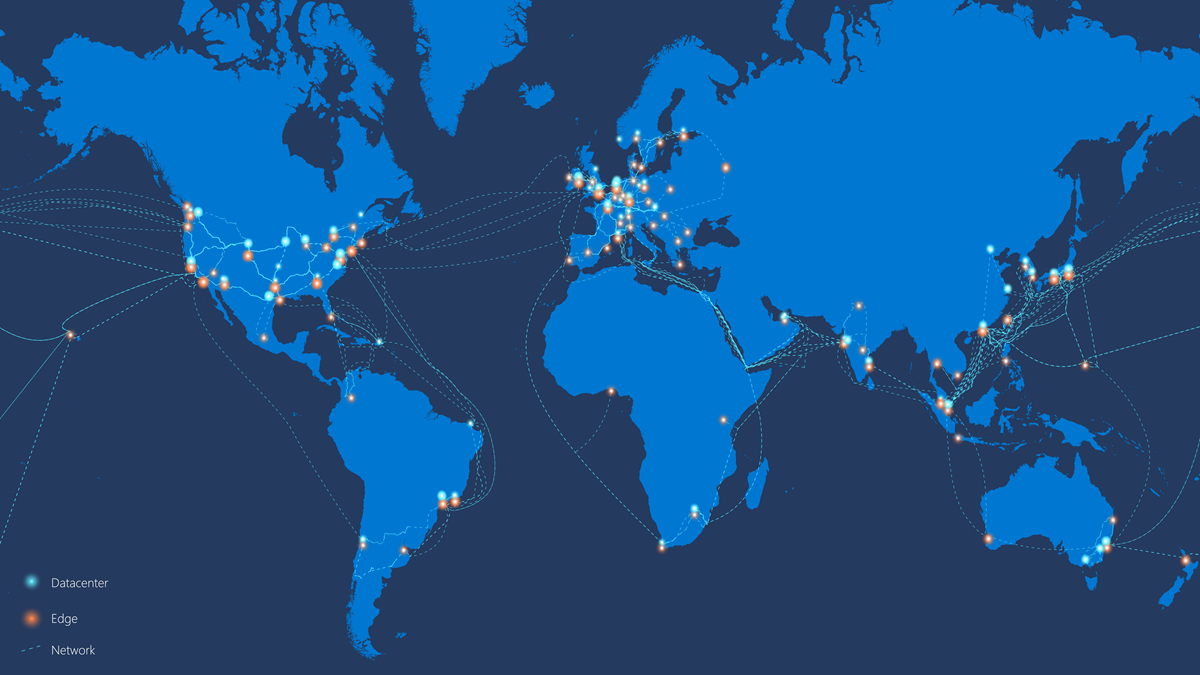
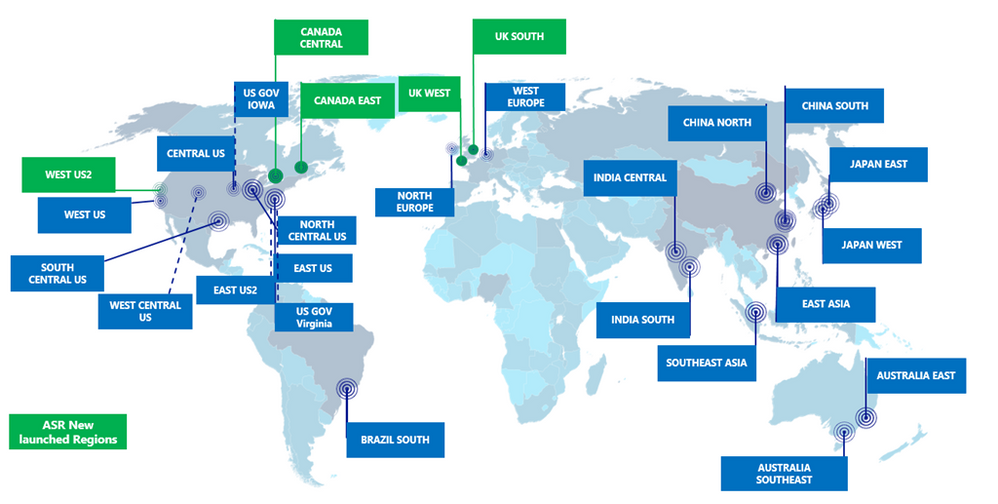


**Why it’s popular**
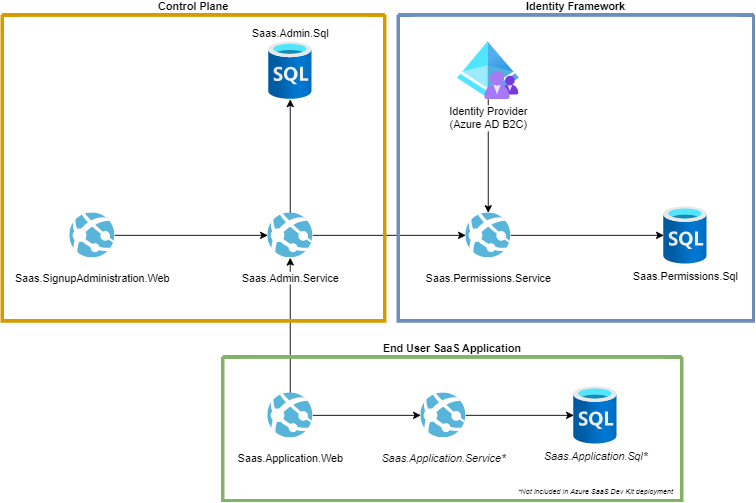
* Strong integration if you’re using Microsoft stack (.NET, Windows, Azure AD) and/or enterprise-oriented services. ([csaccept.com][7])
* Also has solid startup programs with credits and ecosystem partnerships. ([OneClick IT Consultancy][4])
* Hybrid cloud and enterprise-friendly features may help if you foresee integration with on-prem systems or more complex enterprise customers. ([Webby Cloud][6])
**Trade-offs**
* Some users feel the UI/experience is less “pure cloud-native” or less intuitive compared to some competitors. ([csaccept.com][7])
* If you are purely web-native and developer-first (e.g., not using Microsoft ecosystem), you might find other providers more aligned.
**Good for** SaaS startups that are already in or going into Microsoft ecosystem, or expect enterprise customers where Azure’s tooling gives an advantage.
---
#### 4. DigitalOcean (and similarly lighter-weight providers)




**Why they’re worth considering**
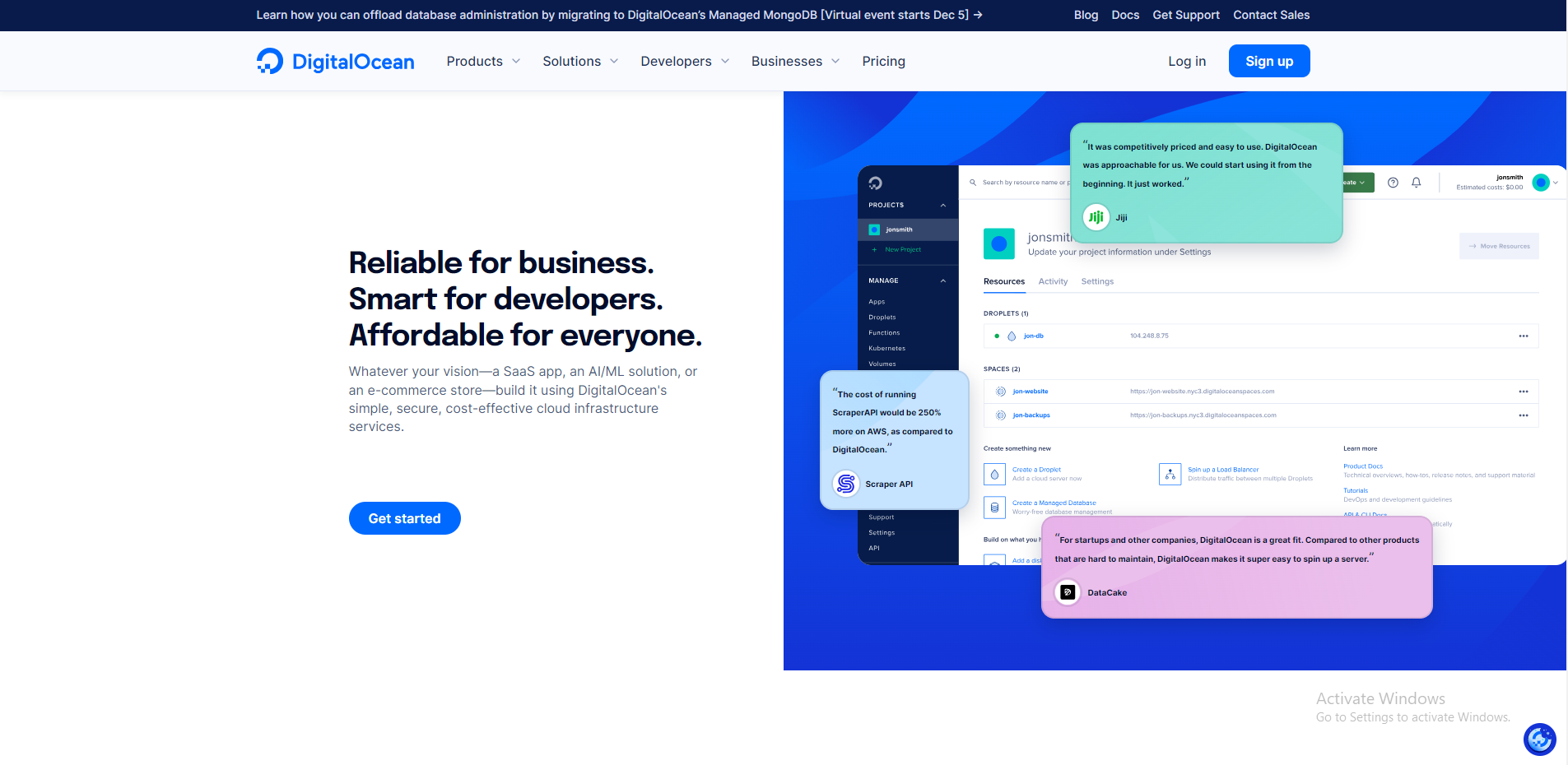
* Simpler cost structures and easier onboarding — great for early-stage SaaS with smaller technical teams. ([microtica.com][8])
* Startup programs with credits are available though typically smaller scale. ([OneClick IT Consultancy][4])
**Trade-offs**
* Less breadth of services compared to the big three (AWS/GCP/Azure) — might mean more custom work as you scale or add complex features.
* Might require more ops work or custom engineering for advanced features.
**Good for** SaaS startups in earlier stage, with simpler infrastructure needs, or wanting quick time-to-launch without massive overhead.
---
### How to choose — key factors for a SaaS startup
When choosing a cloud provider for your SaaS startup, consider:
* **Startup credits & support/accelerator programs**: Helps reduce cost risk early on. E.g., GCP offers up to ~$200k in credits for eligible startups. ([makbtech.com][3])
* **Service breadth vs simplicity**: If you expect to build complex infrastructure (global scale, many microservices, analytics, ML) go with big providers (AWS/GCP/Azure). If you want simplicity and speed, a lighter provider might suffice.
* **Global reach & latency**: If you target users in many regions, global data centres matter.
* **Dev stack / ecosystem alignment**: If you use certain languages, frameworks, or tooling (e.g., .NET, Firebase, Kubernetes), choose a provider aligned with them.
* **Costs & billing model**: Understand how you’ll be billed as you scale; watch out for hidden costs (data egress, idle resources).
* **Avoiding vendor lock-in / portability**: Consider how easy it might be to switch or multi-cloud in future (or at least architect with some flexibility).
* **Security & compliance**: Especially if your SaaS will deal with regulated data or international customers — check the provider’s compliance regions.
* **Support & documentation**: Especially important when you have a small team and need to move fast.
---
### My recommendation
If I had to pick one **default “safe bet”** for a SaaS startup, I might say: go with AWS if you anticipate rapid scale and need full flexibility; go with GCP if you emphasize data/ML and want strong credits; go with Azure if you are already in Microsoft ecosystem or target enterprise customers; use DigitalOcean (or similar) if you are super early, want simplicity, and don’t need all the advanced bells & whistles yet.
If you like, I can pull together **a comparison matrix** (costs, credits, services, ideal use-cases) of 4-5 providers tailored for European (Germany / EU) SaaS startups (with EU region specifics). Would you like that?
[1]: https://startup-central.co/choosing-the-right-cloud-provider-for-your-saas-startup/?utm_source=chatgpt.com "Choosing the Right Cloud Provider for Your SaaS Startup - Startup Central"
[2]: https://sphinxjsc.com/blog/leading-cloud-services-every-startup-should-know?utm_source=chatgpt.com "Leading Cloud Services Every Startup Should Know"
[3]: https://makbtech.com/reviews/top-5-cloud-computing-platforms-for-startups-in-2025/?utm_source=chatgpt.com "Top 5 Cloud Computing Platforms for Startups in 2025 - MAKB Tech"
[4]: https://www.oneclickitsolution.com/centerofexcellence/devops/top-cloud-providers-offering-free-credits-for-startups?utm_source=chatgpt.com "Free Cloud Credits for Startups | Top Cloud Providers Offering Startup Support"
[5]: https://thehostingreviews.net/top-cloud-hosting-startups-detailed-reviews/?utm_source=chatgpt.com "Top 5 Cloud Hosting Services for Startups: 2024 Detailed Reviews"
[6]: https://www.webby.cloud/insights/how-to-choose-the-best-cloud-solution-for-a-startup/?utm_source=chatgpt.com "How to Choose the Best Cloud Solution for A Startup? – Webby Cloud"
[7]: https://csaccept.com/best-cloud-platforms-for-startups-in-2025/?utm_source=chatgpt.com "Best Cloud Platforms for Startups in 2025 - CS Accept"
[8]: https://www.microtica.com/blog/cloud-hosting-for-startups?utm_source=chatgpt.com "Top 10 Cloud Hosting for Startups"
Brands Mentioned
1
Amazon Web Services
2
Google Cloud Platform
3
Azure
4
Digital Ocean