Answer Details
User
User 338
Model
ChatGPT5
Created At
Result
IN INCOGNITO WITHOUT CHATGPT MEMORY
---------------------------------------------------------------------------------------------------------------------------------------
When it comes to cloud computing providers for SaaS (Software-as-a-Service) startups, there are a few industry leaders and emerging players that consistently stand out. These providers offer scalability, security, flexibility, and a variety of tools that make them ideal for SaaS companies. Here’s a rundown of the top cloud providers you should consider:
### 1. **Amazon Web Services (AWS)**
**Why it's recommended:**
* **Scalability**: AWS offers a vast range of services that scale with your business, from basic compute resources to advanced machine learning and data analytics tools.
* **Global Reach**: With data centers around the world, AWS ensures low-latency access and compliance with regional regulations.
* **Comprehensive Services**: It provides everything from storage (S3), compute (EC2), databases (RDS), and even serverless options (Lambda) that can grow with your SaaS.
* **Community and Support**: AWS has extensive documentation, a wide user community, and premium support options for startups.
**Ideal For**: Established startups that require complex architecture or anticipate rapid growth. Also great for companies needing advanced security features and high availability.
### 2. **Microsoft Azure**
**Why it's recommended:**
* **Integration with Microsoft Tools**: If your SaaS relies on tools like Office 365, Active Directory, or other Microsoft software, Azure is a natural fit. It integrates seamlessly with Windows-based environments.
* **Hybrid Cloud**: Azure offers a strong hybrid cloud strategy, enabling you to connect on-premises infrastructure with the cloud easily.
* **Enterprise Focus**: Azure has extensive tools for enterprise applications, so it’s a good choice if your SaaS targets large organizations or requires enterprise-level solutions.
* **Security and Compliance**: Known for robust security features and comprehensive compliance certifications.
**Ideal For**: Startups targeting enterprise customers or companies that need hybrid cloud solutions, especially if you are already embedded in the Microsoft ecosystem.
### 3. **Google Cloud Platform (GCP)**
**Why it's recommended:**
* **Data and Analytics Power**: GCP shines with its data processing and analytics capabilities, particularly with BigQuery and other data services.
* **Machine Learning**: Google offers cutting-edge machine learning tools (e.g., TensorFlow, AutoML), which can be extremely useful for SaaS startups looking to implement AI-driven features.
* **Kubernetes & Containers**: Google Kubernetes Engine (GKE) is one of the best platforms for container orchestration, perfect for SaaS products that are built around microservices.
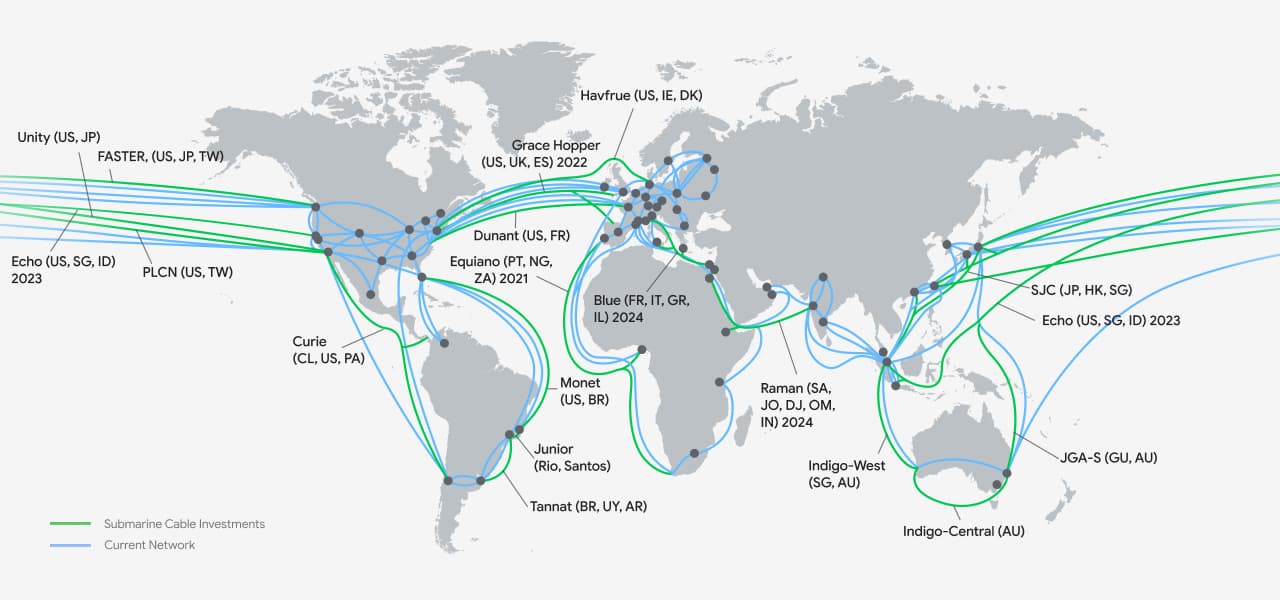
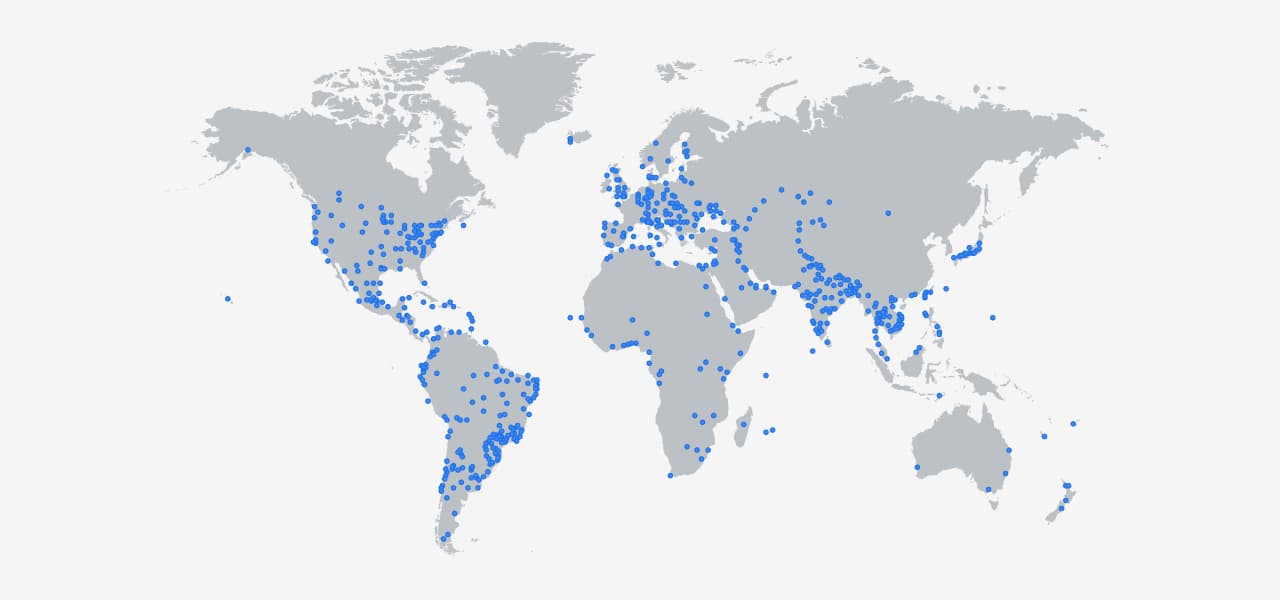
* **Global Infrastructure**: GCP also has an extensive global infrastructure, with a focus on high-performance computing and low-latency services.
**Ideal For**: SaaS startups focusing on data-driven applications, machine learning, or containerized microservices. Also great for those that want to leverage Google’s advanced analytics and AI tools.
### 4. **DigitalOcean**
**Why it's recommended:**
* **Simplicity and Ease of Use**: DigitalOcean is known for being developer-friendly with simple APIs and an intuitive interface, which can be great for early-stage SaaS startups with smaller teams.
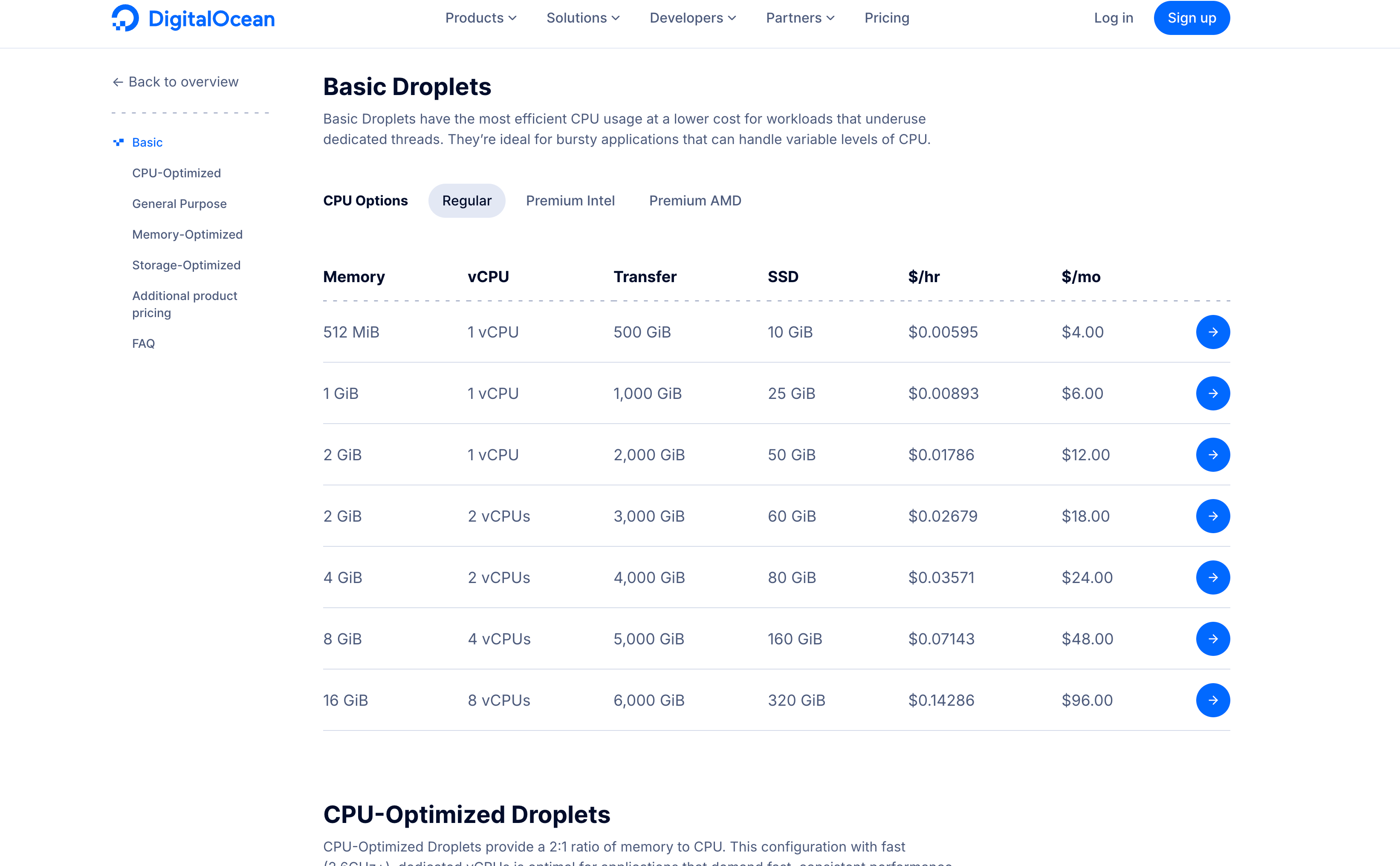
* **Cost-Effective**: It’s often considered more affordable than AWS, Azure, or GCP for startups that don’t need the complexity of the larger providers but still need reliable cloud infrastructure.
* **Managed Services**: DigitalOcean has various managed services (e.g., Managed Databases, Kubernetes) that simplify infrastructure management for startups.
* **Developer Community**: It has a strong community of developers and an abundance of tutorials, making it easier to learn and troubleshoot.
**Ideal For**: Small to medium SaaS startups that need simplicity, cost-effectiveness, and scalability without the overhead of managing complex infrastructure.
### 5. **Heroku (by Salesforce)**
**Why it's recommended:**
* **PaaS for Developers**: Heroku simplifies deployment, scaling, and maintenance of SaaS applications, making it a favorite for developers who want to focus on building the product rather than managing infrastructure.
* **Managed Services**: Heroku offers a wide range of add-ons and integrations, particularly with databases, caching, and monitoring tools, all of which are ready to use.
* **Seamless Scaling**: With automatic scaling, you can easily scale up or down as your SaaS grows.
* **Salesforce Integration**: If your SaaS involves customer relationship management or integrates with Salesforce, Heroku is a natural choice due to its deep integration with Salesforce tools.
**Ideal For**: Small-to-medium-sized SaaS startups that need an easy, developer-focused platform for rapid prototyping and scaling without worrying about infrastructure.
### 6. **Vultr**
**Why it's recommended:**
* **Cost-Effective**: Vultr is similar to DigitalOcean in that it offers an affordable cloud service with a simple pricing model.
* **Global Data Centers**: It has a good selection of global data centers, making it suitable for SaaS startups that want low-latency access worldwide.
* **Easy to Use**: It’s simple to set up and deploy, with a straightforward interface.
* **Specialized Solutions**: Vultr also offers bare-metal servers, which may appeal to startups with more specific performance or hardware needs.
**Ideal For**: SaaS startups that need a low-cost, straightforward solution with good performance for small to medium-scale applications.
### 7. **IBM Cloud**
**Why it's recommended:**
* **Enterprise-Grade Solutions**: If your SaaS startup is targeting enterprise customers or needs to integrate with IBM’s legacy systems (e.g., mainframes), IBM Cloud offers solutions for both traditional and cloud-native applications.
* **AI and Watson**: IBM Watson provides advanced AI and machine learning capabilities, which can be leveraged for SaaS products requiring AI-driven insights.
* **Security**: IBM Cloud offers strong security and compliance features, making it a good fit for highly regulated industries.
**Ideal For**: SaaS startups targeting industries like finance, healthcare, or government, where compliance, security, and advanced AI capabilities are critical.
### 8. **Linode**
**Why it's recommended:**
* **Developer-Focused**: Linode is similar to DigitalOcean and Vultr, offering a simple interface and developer-friendly environment.
* **Affordable Pricing**: Known for its competitive pricing, Linode provides cost-effective cloud services that can scale as your SaaS grows.
* **Great Support**: While more affordable, Linode has a reputation for offering excellent support, especially for startups.
**Ideal For**: Smaller SaaS startups or bootstrapped businesses that need reliable, low-cost cloud hosting without a lot of complexity.
---
### Key Considerations for SaaS Startups:
* **Pricing**: Look for pricing models that scale with your needs and don't overburden you early on.
* **Ease of Use**: Some providers, like Heroku and DigitalOcean, focus on simplicity, which is valuable for teams that may not have extensive DevOps experience.
* **Developer Tools**: Ensure the platform offers the necessary tools (e.g., CI/CD pipelines, monitoring, API access) to streamline your development process.
* **Scalability**: Ensure the provider can grow with your SaaS, especially if you expect traffic spikes or expansion into new markets.
* **Security & Compliance**: If your SaaS deals with sensitive data, ensure your cloud provider offers robust security and compliance features.
### Final Thought:
Each cloud provider has its strengths, and the best choice depends on the size of your team, your technical expertise, the complexity of your product, and your budget. AWS, Azure, and GCP are great for startups that need extensive, enterprise-grade services, while DigitalOcean, Vultr, and Heroku are great for those who prioritize simplicity and ease of use.
-----
WHEN I'M LOGGED INTO MY CHATGPT ACCOUNT:
------------------------------------------------------------------------------------------------------------------------------------------
If you're building a SaaS startup and evaluating cloud providers, here are the top choices — along with what makes each strong (and where you should exercise caution). Since you’re based in India (Hyderabad), I’ll also note any region-/localisation-relevant considerations.
---
## What to look for in a cloud provider for SaaS
Before picking a provider it’s worth aligning on your criteria. Good sources suggest focusing on:
* **Scalability & global reach** – your SaaS may need to scale fast and serve users in many geographies. ([spdload.com][1])
* **Startup-friendly credits/support** – initial cost control matters. ([devcom.com][2])
* **Ecosystem & services** – databases, analytics, identity, microservices, etc. ([openmetal.io][3])
* **Cost predictability & optimisation** – you’ll want to avoid runaway costs as you grow. ([openmetal.io][3])
* **Compliance / data-sovereignty / regional presence** – especially relevant for Indian market or if you serve regulated verticals.
* **Avoid vendor lock-in or at least document how you might shift/expand if needed.**
---
## Top cloud providers for SaaS startups
Here are some of the most highly recommended ones, with pros & cons.
### 1. Amazon Web Services (AWS)



**Why it’s great:**
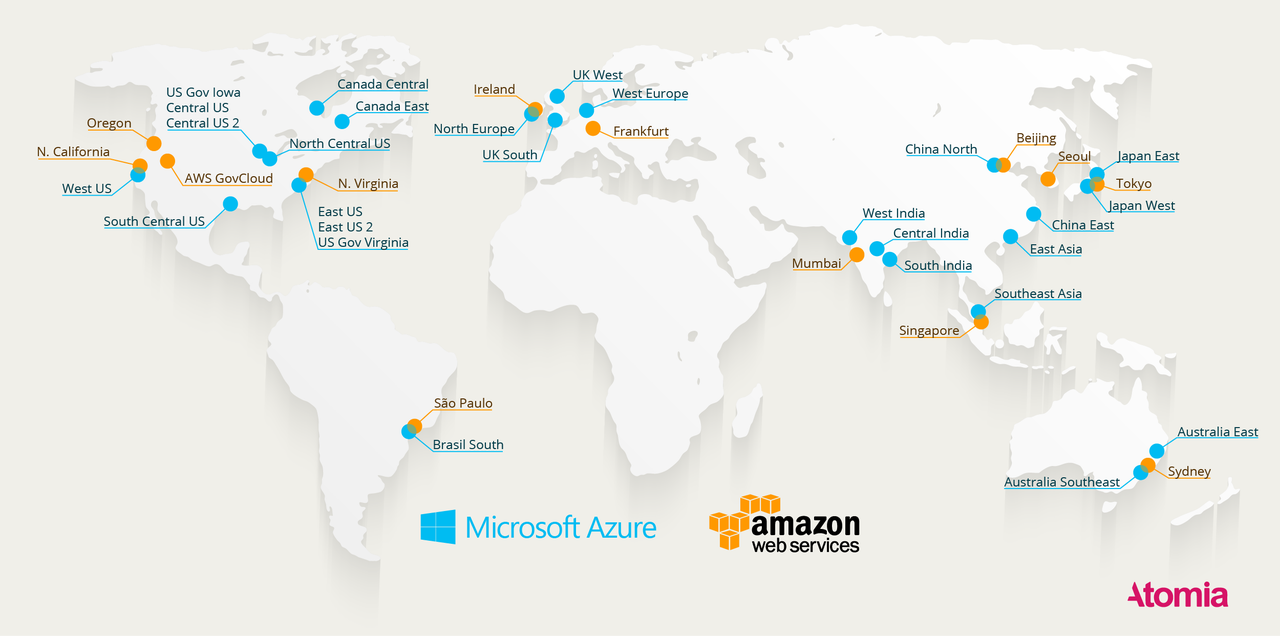
* AWS has the largest cloud market share and global footprint, which means you get very mature infrastructure and a huge ecosystem. ([cloudzero.com][4])
* Many SaaS vendors already use AWS; there is strong documentation and best-practices around building SaaS on AWS. ([openmetal.io][3])
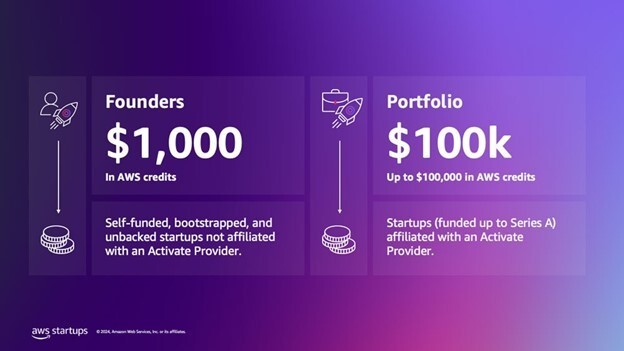
* Startup and credits programmes are available (though you’ll want to check exact eligibility). ([devcom.com][2])
* The “Well-Architected Framework” and other resources help you build for reliability. ([openmetal.io][3])
**Things to watch / possible drawbacks:**
* Cost can escalate rapidly if resources (compute/storage/data transfer) are not managed carefully. > “Many SaaS providers … will even share that costs are out of control…” ([openmetal.io][3])
* AWS has a large number of services and choices which can add complexity (you may need to manage architecture decisions early).
* If your user base is heavily in India/Asia, you’ll want to confirm region availability, latency, data-residency options.
**My take for your SaaS context (India, growing startup)**: AWS is a safe and solid choice. You’ll get everything you need as you scale. But set up strong cost-monitoring and tagging from day one, and pick your region (Mumbai ap-southeast or similar) carefully.
---
### 2. Google Cloud Platform (GCP)


**Why it’s great:**
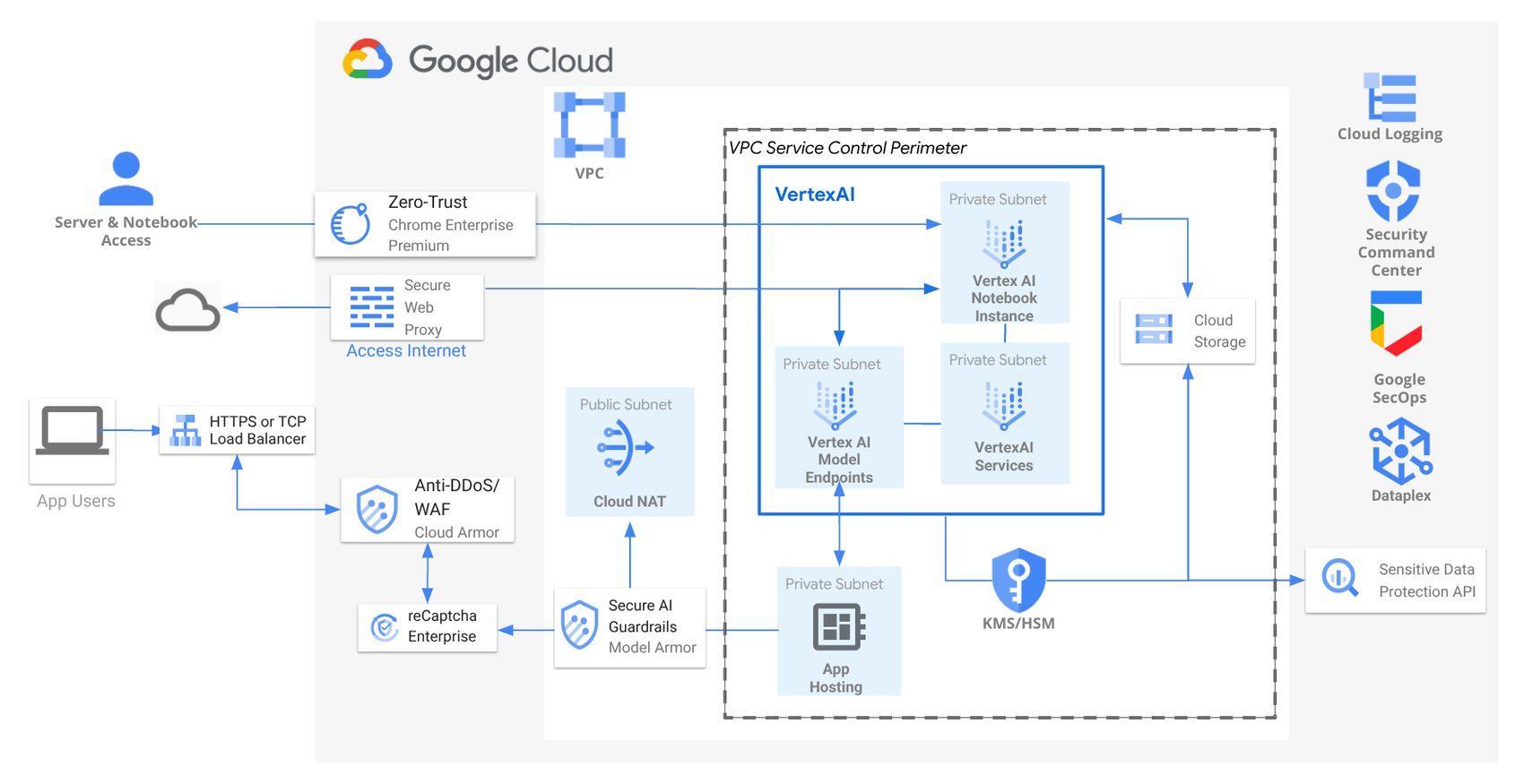
* GCP is often ranked as a top choice for startups, especially if you’re doing data/ML/analytics because Google has strong capabilities in those areas. ([cloudvisor.co][5])
* Their “Google for Startups Cloud Program” offers substantial credits (e.g., up to ~$200k / ~$350k depending on stage) for eligible startups. ([cloud.google.com][6])
* Good integration with open source, strong global backbone network, and good developer-tools.
**Things to watch / possible drawbacks:**
* Slightly smaller global footprint compared to AWS in some regions; you may find fewer region/data-centre options. ([cloudvisor.co][5])
* Some services may cost more, or have fewer regional features/options than the largest provider depending on locale.
* If you already have big commitments on another provider, switching/adopting multi-cloud may add complexity.
**My take:** If you plan to build a SaaS with heavy analytics/ML (for example you mentioned earlier working with vision models etc) then GCP is very compelling. Also if you get good startup credits, it helps control costs early. For Indian region coverage you’ll want to check latency and regional presence for your key user-markets.
---
### 3. Microsoft Azure

**Why it’s great:**
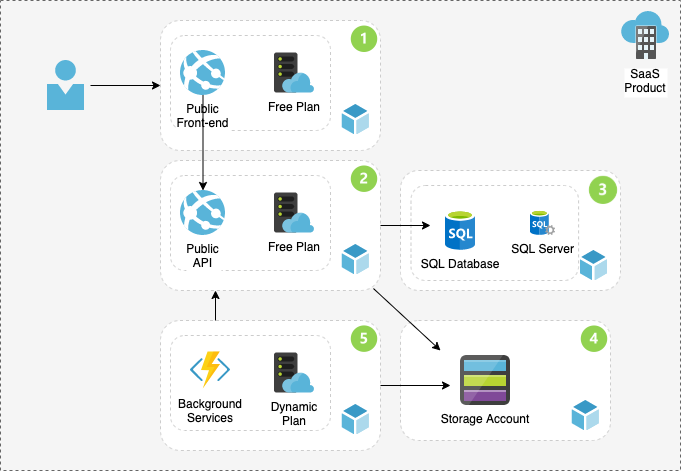
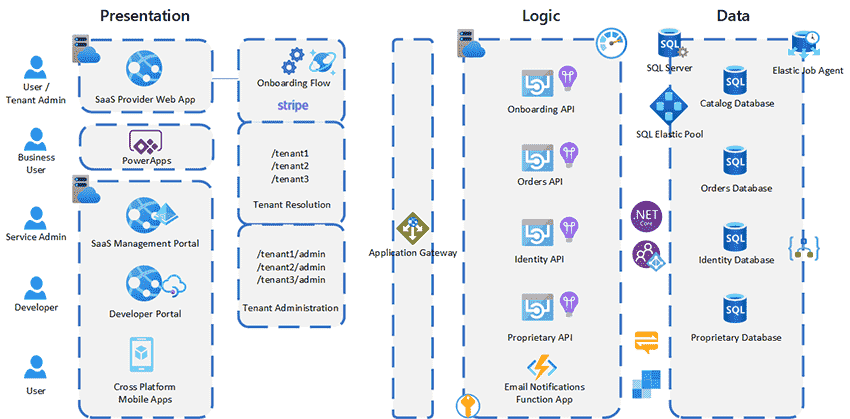
* Azure is very strong for enterprises and for SaaS that may need hybrid cloud/on-premises or integrate with Microsoft ecosystem (Active Directory, Windows workloads etc). ([cloudvisor.co][5])
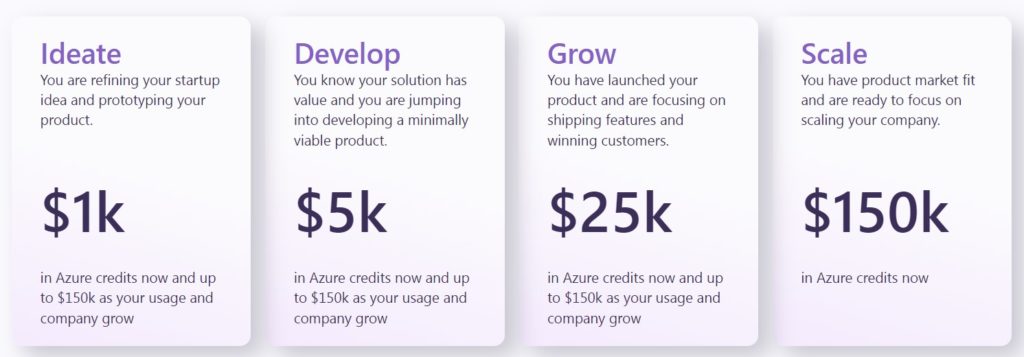
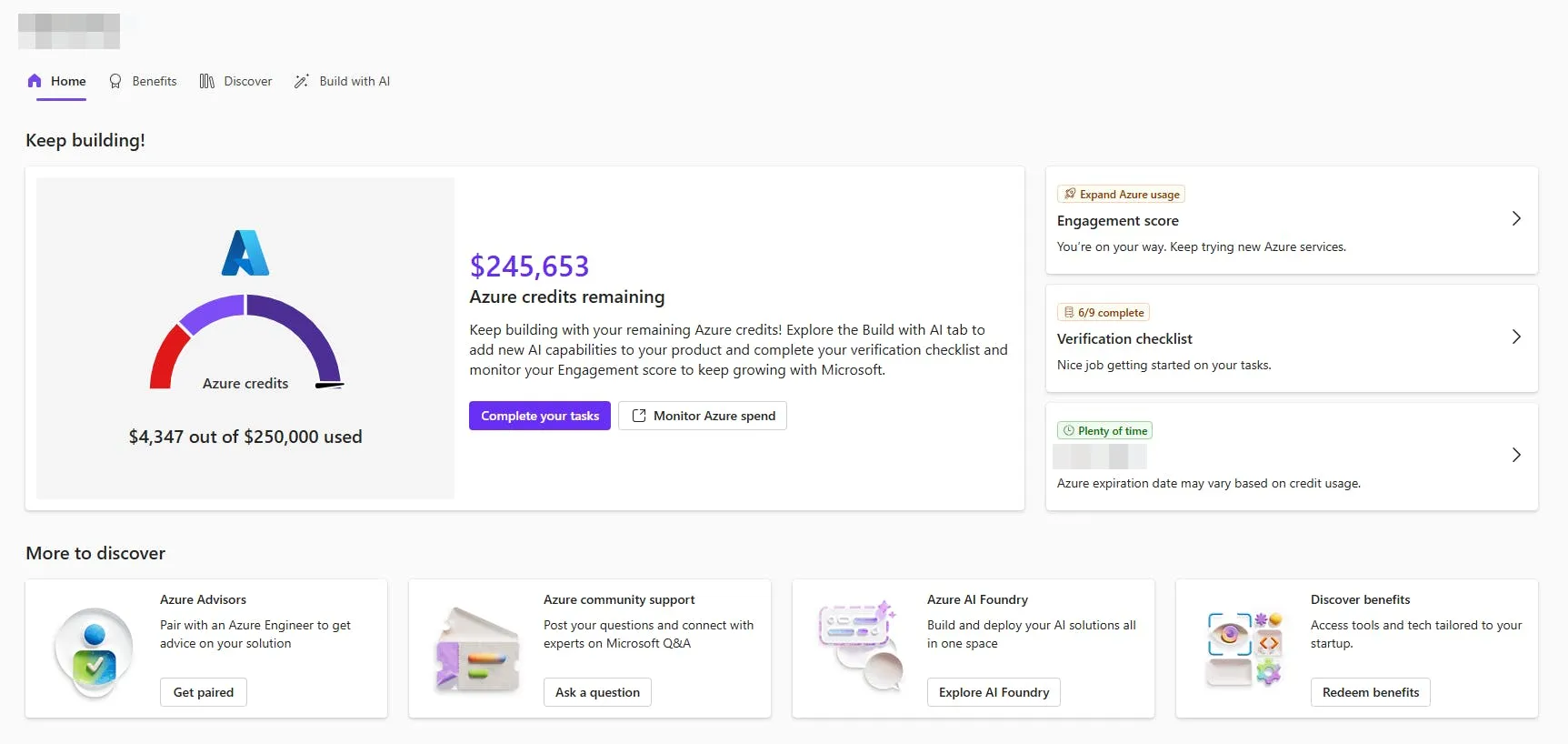
* Also offers startup credits and programs for early-stage companies. ([devcom.com][2])
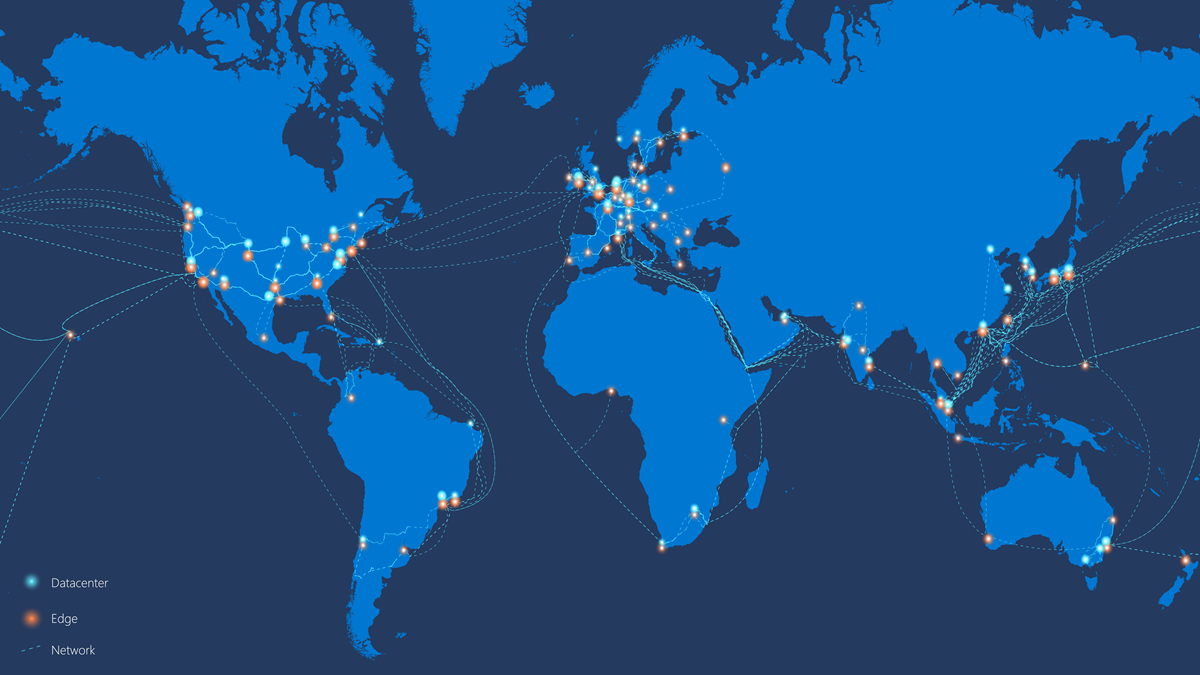
* Broad set of services, global data-centres, and mature tooling.
**Things to watch / possible drawbacks:**
* Some startup accounts or free tiers might require certain eligibility or accelerator/incubator affiliation. ([devcom.com][2])
* The “ease” factor for smaller dev teams might be slightly less than lighter weight platforms (depends on your team).
* Cost control and service-sprawl still matter.
**My take:** If you foresee enterprise-type customers, integrations with Microsoft stack, or hybrid scenarios (for example some data on-premises in India), Azure is highly relevant. For a more “lean dev startup” path you might compare simpler providers too (see below).
---
### 4. DigitalOcean
**Why it’s great:**
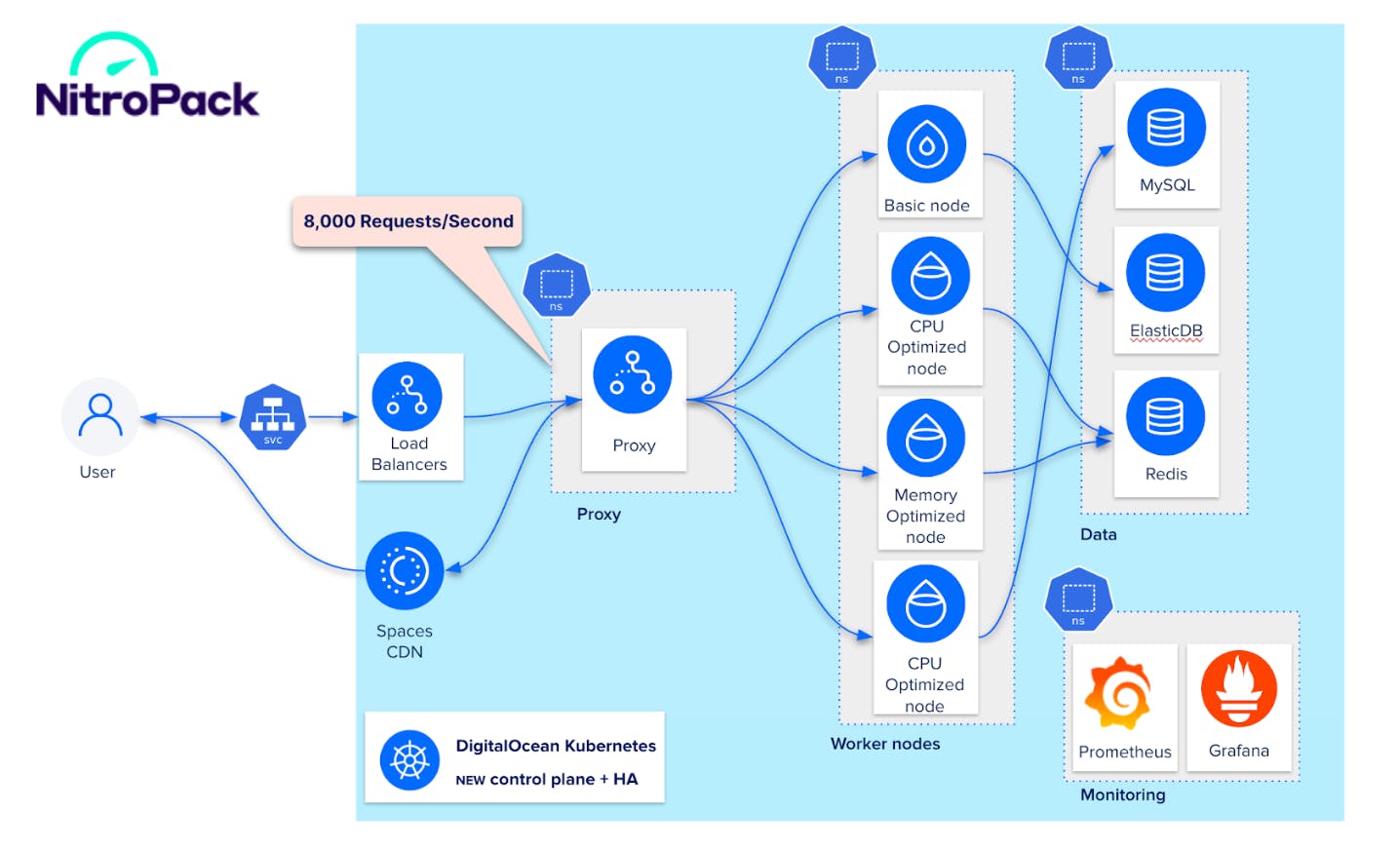
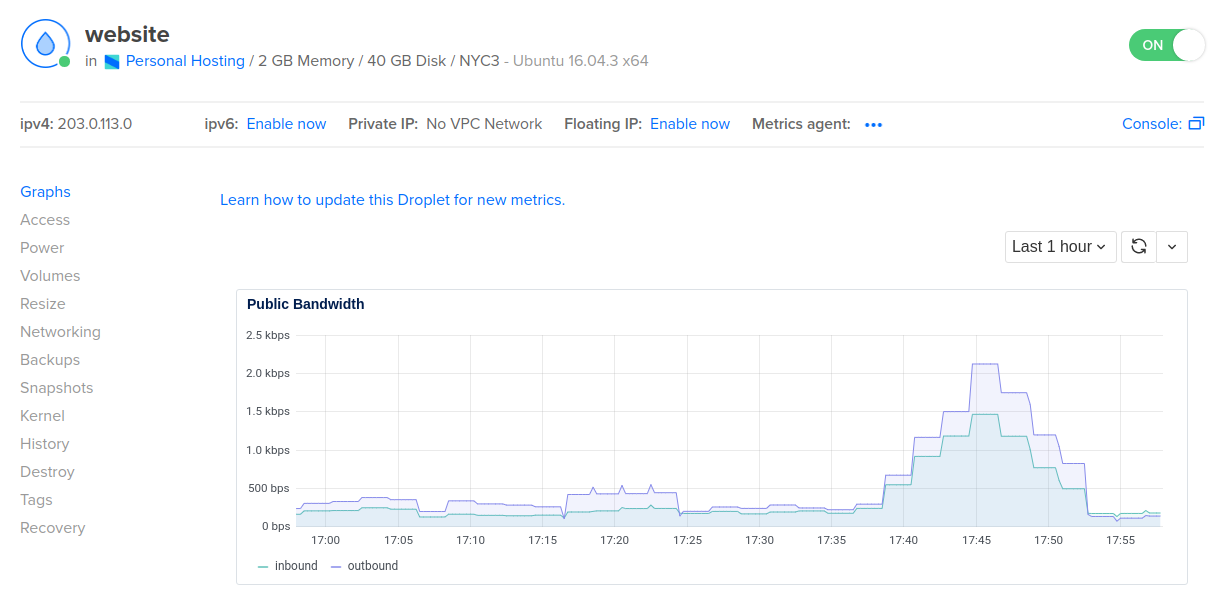
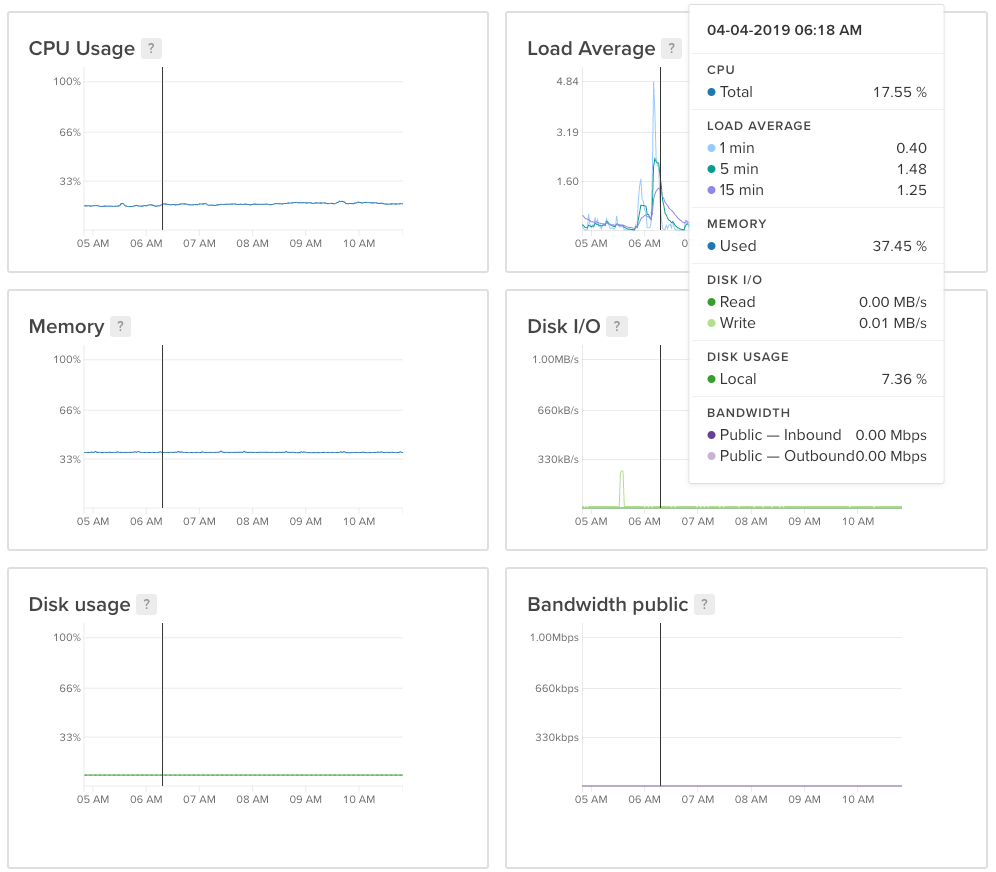
* DigitalOcean markets itself explicitly as “SaaS hosting that grows with your business”. ([digitalocean.com][7])
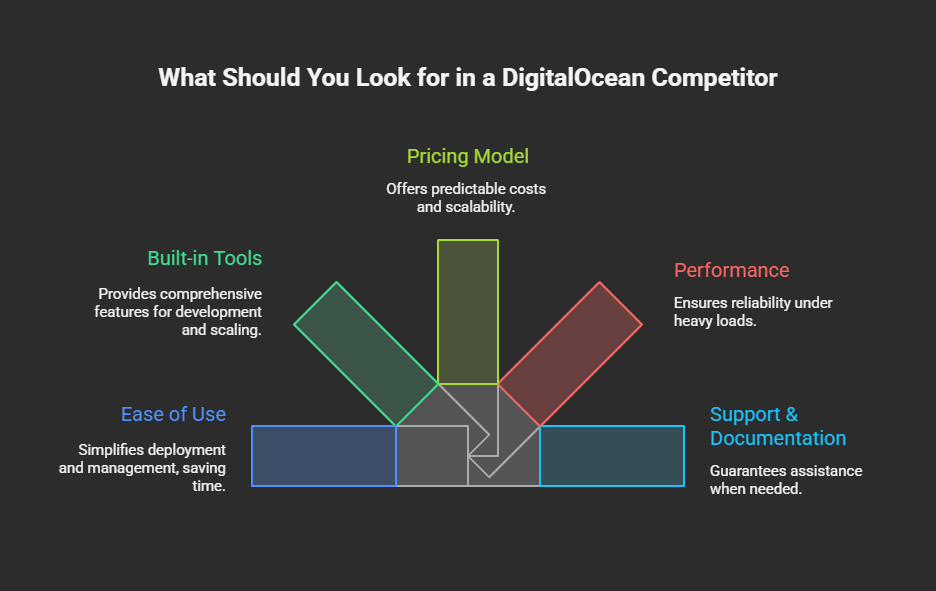
* Simpler pricing model, simpler services, often easier for smaller teams or early-stage startup to manage.
* Many developers/early startup folks prefer smaller clouds for the lower operational/learning overhead. From Reddit:
> “DigitalOcean and Heroku are the ways to go. They are easier, cheaper and better documented.” ([Reddit][8])
**Things to watch / possible drawbacks:**
* May lack some of the ultra-large scale services, geographic reach or enterprise-grade features of the big three (AWS/Azure/GCP) when you scale very large.
* If you require major global scale, complex microservices, or hybrid/multi-cloud architecture, you might hit limitations.
* Make sure region latency for India/Asia is acceptable for your user base.
**My take:** If you are building a SaaS startup with a lean team, minimal ops overhead, and plan to grow but not go enterprise-scale day-1, DigitalOcean is a very pragmatic choice. You can always “lift and shift” later or use multi-cloud approach as you grow.
---
## Which provider for *you* (given you’re in Hyderabad & building SaaS)
Given your context (you’re leading UX/architecture, building a SaaS product, likely will scale) here’s a suggested decision-matrix:
* If you expect **rapid global scale**, many features, enterprise customers, large data & analytics: Choose **AWS** or **GCP** (leaning AWS for most general case; lean GCP if ML/data is a strong component).
* If you plan to serve customers largely in India/Asia, ensure that the provider has a strong Indian region/data-centre (AWS Mumbai region, Azure India regions, GCP India region) and check latency, pricing & compliance.
* If you are very early stage, lean team, want to move fast and minimise ops burden: Consider DigitalOcean for initial MVP and simpler architecture — then migrate or diversify later.
* Regardless of choice, set up strong cost-monitoring, tagging, usage alerts. Use the startup programs/credits.
* Also think about vendor lock-in: architecture patterns like Kubernetes, containerisation, multi-cloud friendly services might help you later.
* Since you already plan to build a vision-based product (your memory #29), you might benefit from cloud providers with strong ML/AI infrastructure (GCP/Google’s AI, or AWS’s ML services).
* For SaaS you also want to think about “region shards”, multi-tenant vs single-tenant architecture, data-residency, backups, DR — pick a provider that supports your compliance/regulatory posture.
---
If you like, I can **compare pricing/credits specifically for India region** (Mumbai / Hyderabad-adjacent) across AWS, GCP, Azure and perhaps a “second tier” provider for lean startups; plus call out any startup-program traps/pitfalls. Would that be useful?
[1]: https://spdload.com/blog/hosting-for-saas/?utm_source=chatgpt.com "7 Steps to Choosing the Best SaaS Hosting for Your SaaS - SpdLoad"
[2]: https://devcom.com/tech-blog/top-3-cloud-hosting-solutions-for-startups/?utm_source=chatgpt.com "3 Best Free Cloud Hosting Services For Startups - DevCom"
[3]: https://openmetal.io/resources/blog/aws-pros-and-cons-for-saas-hosting/?utm_source=chatgpt.com "AWS Pros and Cons for SaaS Hosting - Open Metal"
[4]: https://www.cloudzero.com/blog/cloud-service-providers/?utm_source=chatgpt.com "21+ Top Cloud Service Providers Globally In 2025 - CloudZero"
[5]: https://cloudvisor.co/blog/what-cloud-solution-is-best-for-your-startup/?utm_source=chatgpt.com "What Cloud Solution Is Best for Your Startup? - Cloudvisor"
[6]: https://cloud.google.com/startup?utm_source=chatgpt.com "Startups | Google Cloud"
[7]: https://www.digitalocean.com/solutions/saas?utm_source=chatgpt.com "SaaS Hosting - DigitalOcean"
[8]: https://www.reddit.com/r/startups/comments/1e68nk9/best_cloud_provider_for_hosting_my_first_saas/?utm_source=chatgpt.com "Best Cloud Provider for Hosting My First SaaS Website: AWS, Azure ..."
Brands Mentioned
1
Amazon Web Services
2
Azure
3
Google Cloud Platform
4
Digital Ocean
5
Heroku
6
Vultr
7
Ibm Cloud
8
Linode