Answer Details
User
User 216
Model
ChatGPT5
Created At
Result
Here are the most highly recommended cloud computing providers for SaaS startups, with key strengths, trade-offs and startup-friendly programmes to consider.
---
### 1. Amazon Web Services (AWS)



**Strengths:**
* Broadest service catalogue in the market (compute, storage, serverless, ML/AI, IoT) — ideal if you expect to scale or build complex SaaS infrastructure. ([uplatz.com][1])
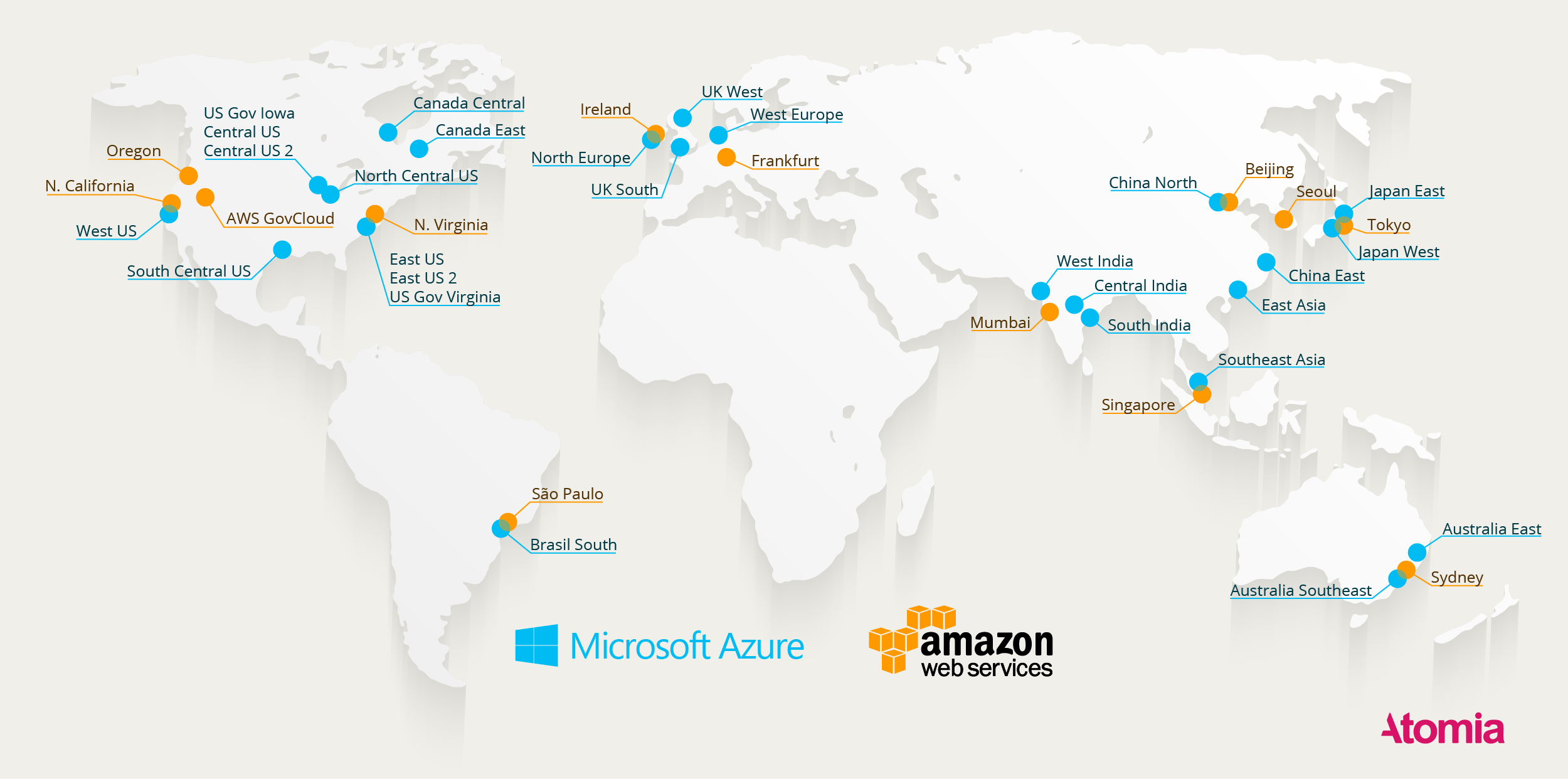
* Extensive global infrastructure and availability zones, which helps SaaS firms target multiple geographies. ([uplatz.com][1])
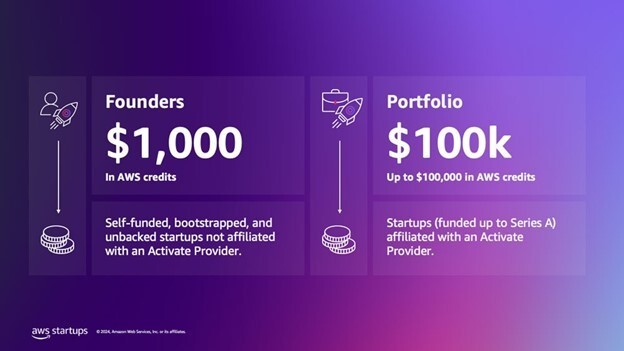
* Strong startup support: programmes like AWS Activate offering credits and resources for early-stage companies. ([Bluehost][2])
**Trade-offs:**
* Steep learning curve; managing cost and complexity can be challenging for very early or non-technical teams. ([uplatz.com][1])
* Risk of vendor lock-in given the breadth of AWS-specific services.
**Best for:** SaaS startups planning for fast growth, needing global reach or leveraging advanced services (e.g., ML, serverless) from the start.
---
### 2. Microsoft Azure
**Strengths:**
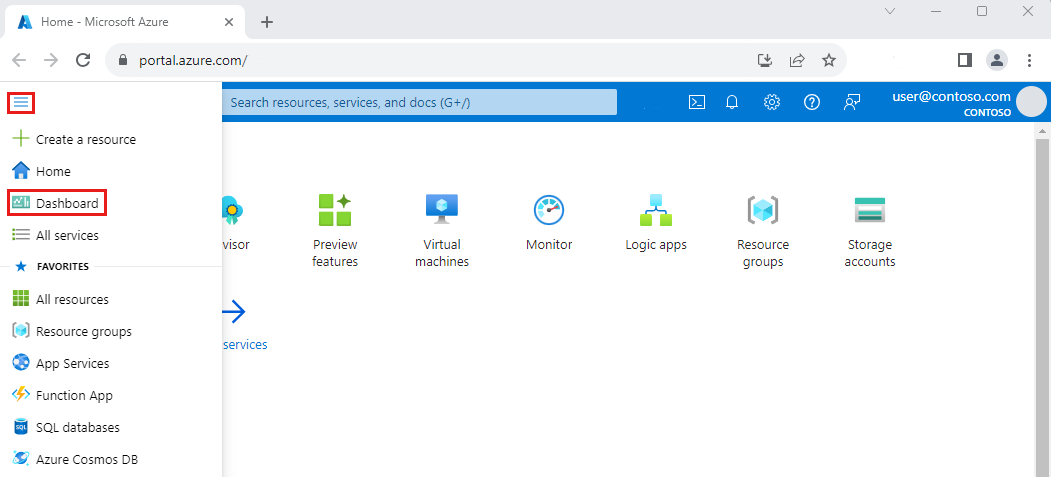
* Strong integration with Microsoft ecosystem (Windows, .NET, Office 365, GitHub) — useful if your SaaS is oriented towards business/enterprise customers already using MS tools. ([csaccept.com][3])
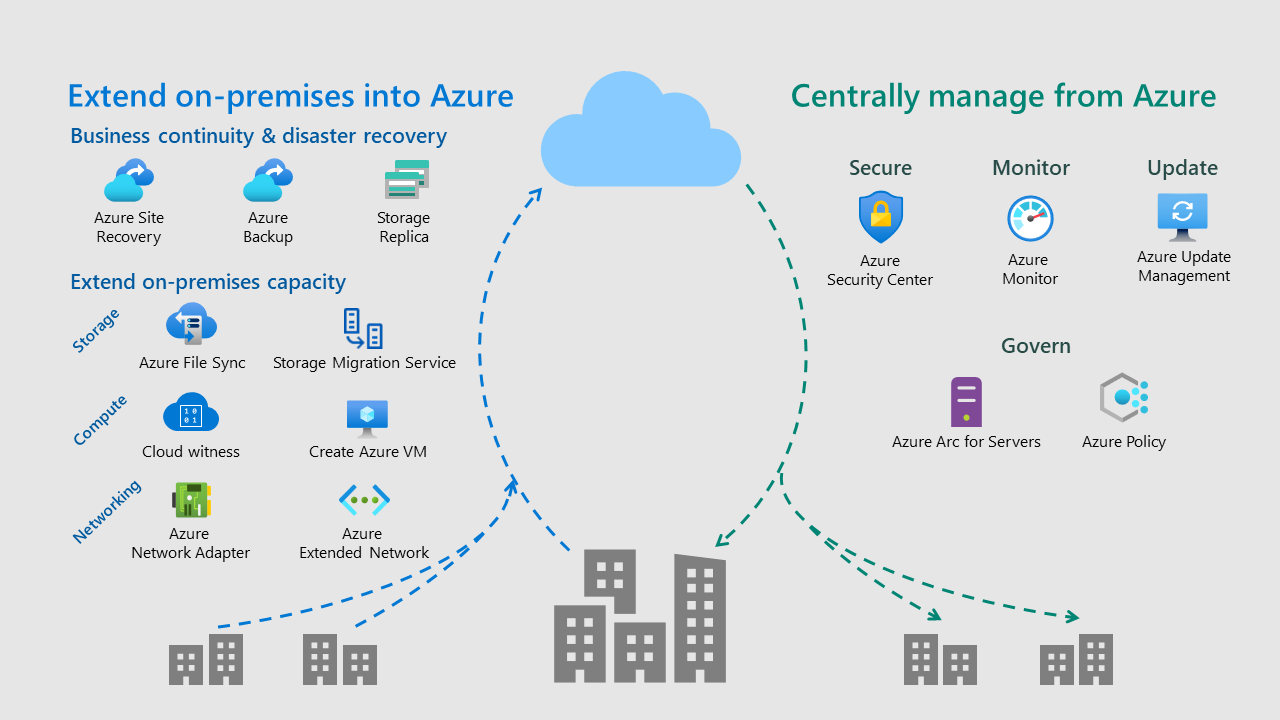
* Good support for hybrid and regulated-industry scenarios (on-premises + cloud) and enterprise-grade compliance. ([Sahabe Cloud][4])
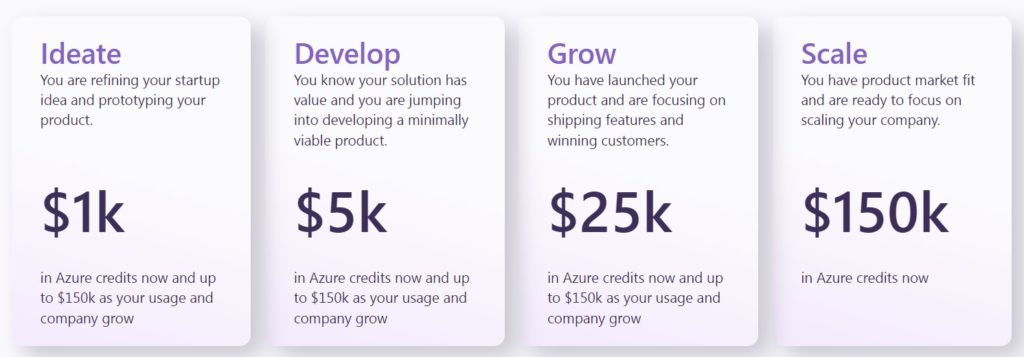
* Startup programmes available (e.g., Microsoft for Startups) offering credits and technical support. ([csaccept.com][3])
**Trade-offs:**
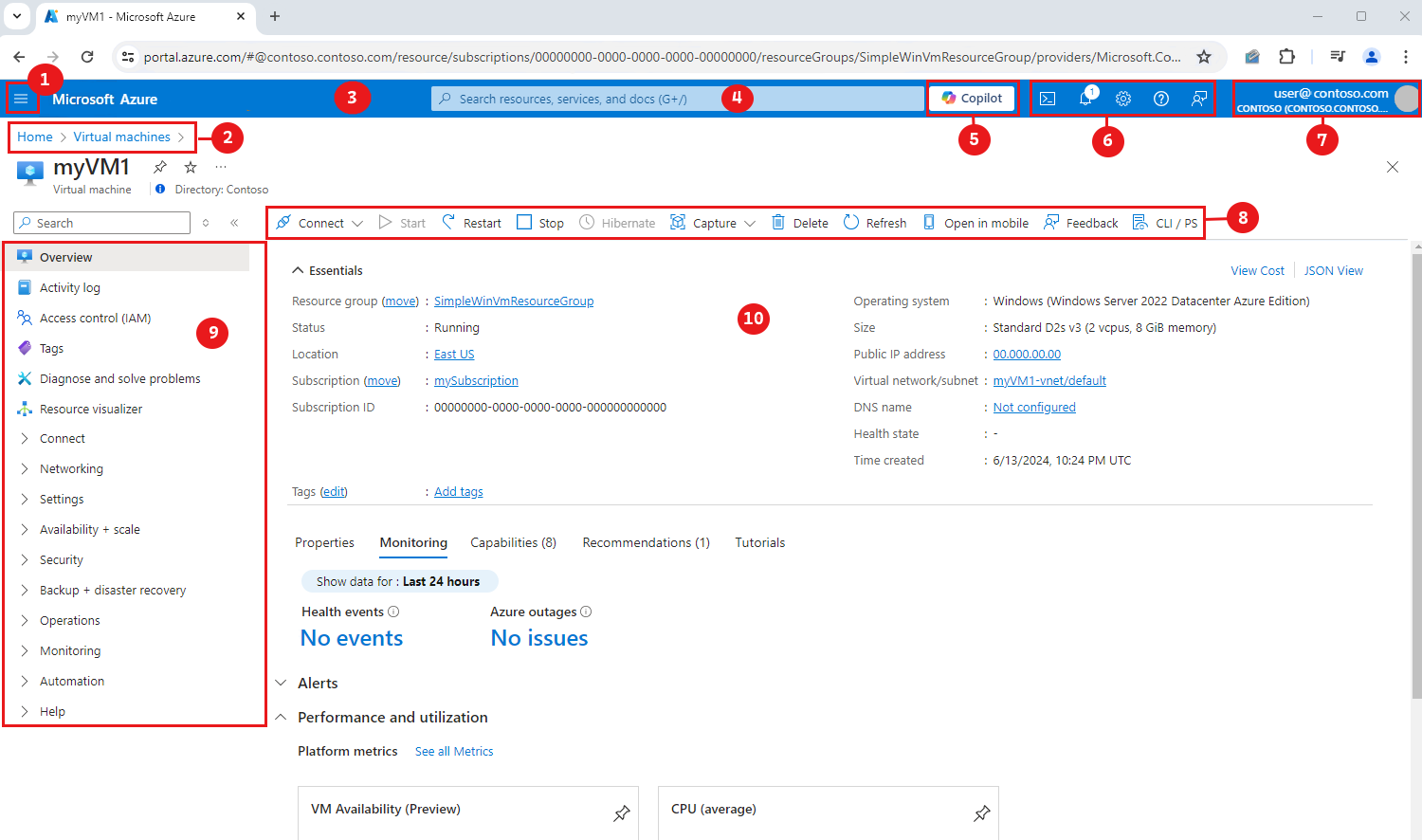
* Pricing and service complexity can also be significant; UI and UX sometimes less intuitive than simpler providers. ([csaccept.com][3])
* Possibly more enterprise-oriented than a “lean startup wanting minimum overhead” scenario.
**Best for:** SaaS firms targeting enterprise customers, or those with existing Microsoft technology stack and/or hybrid needs.
---
### 3. Google Cloud Platform (GCP)


**Strengths:**
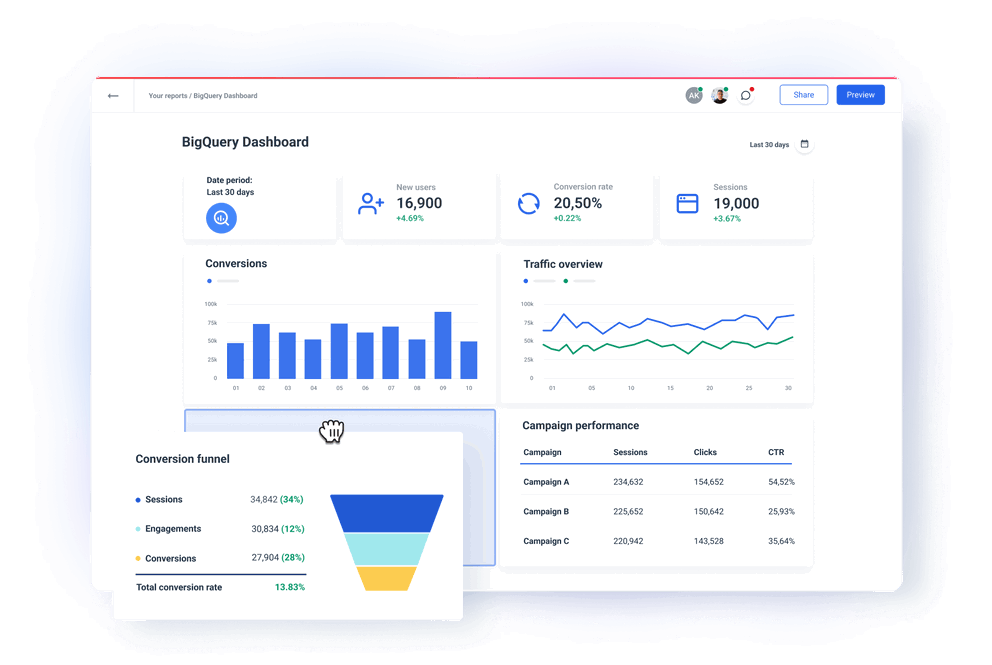
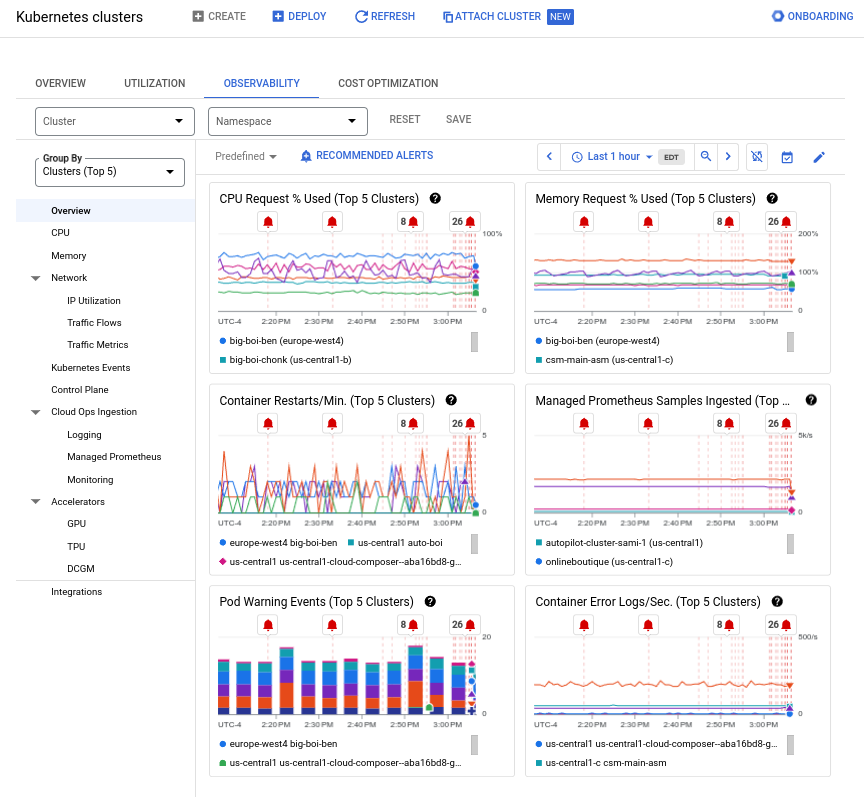
* Excellent for data-, analytics- and ML/AI-driven SaaS products (BigQuery, Vertex AI, excellent container/Kubernetes support). ([Sahabe Cloud][4])
* Competitive pricing in many cases; strong container friendliness and performance for modern architectures. ([uplatz.com][1])
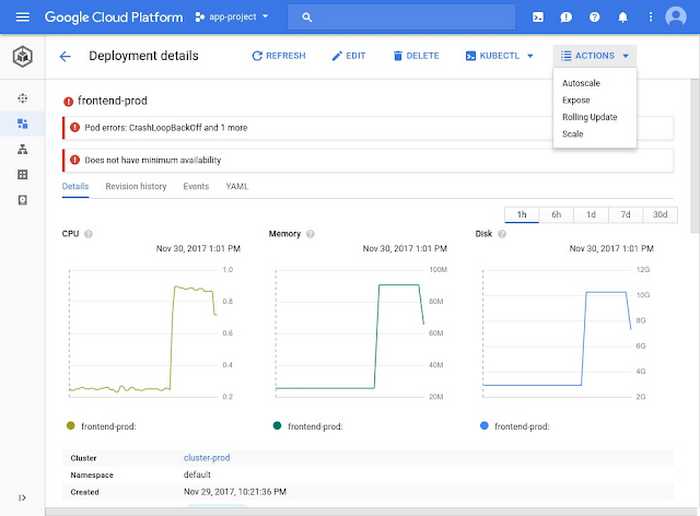
* Simple and developer-friendly interface. ([csaccept.com][3])
**Trade-offs:**
* While the global footprint is strong, it may not yet match AWS in sheer breadth of services and regions (depending on your target markets).
* Like others, cost can escalate if usage ramps without optimisation.
**Best for:** SaaS startups whose product is data-intensive, involves ML/AI, analytics, or wants a developer-friendly environment with modern container/Kubernetes workflows.
---
### 4. DigitalOcean



**Strengths:**
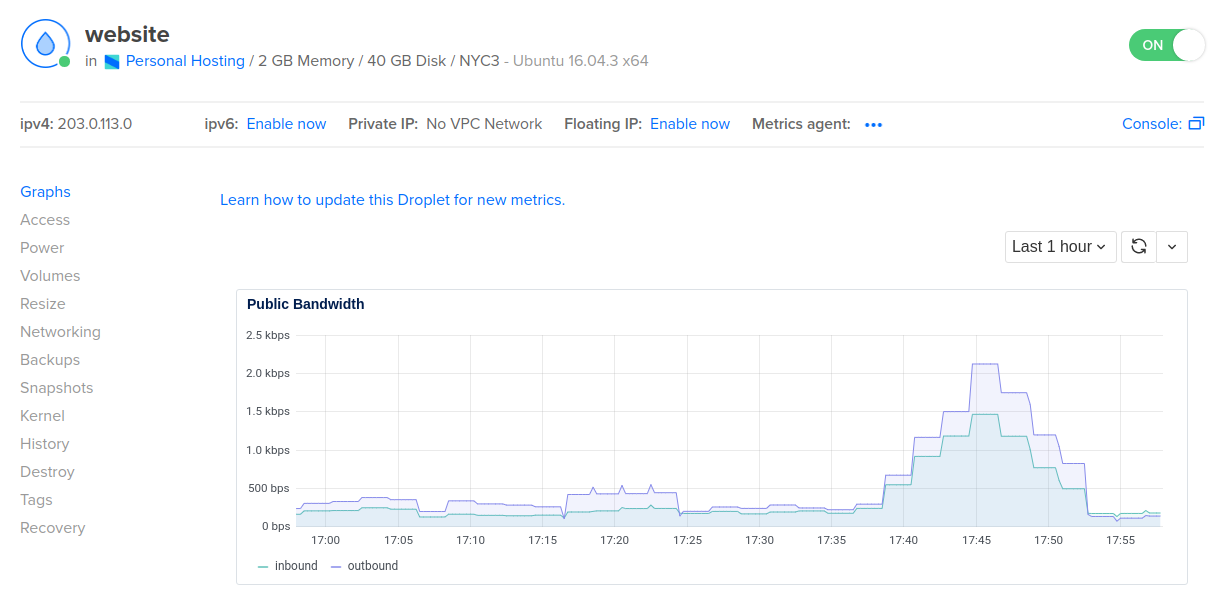
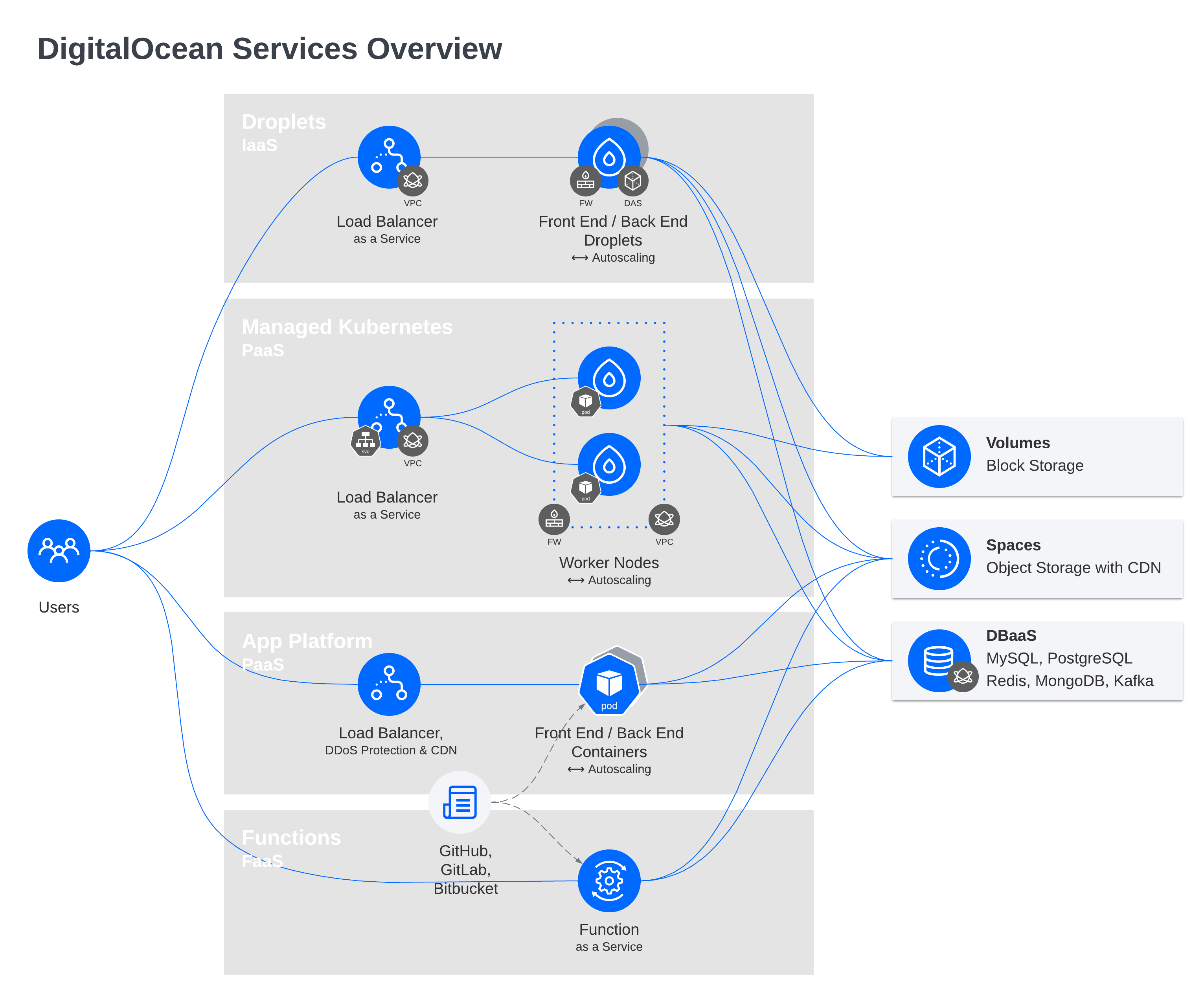
* Simplicity and predictability: Transparent pricing, easy-to-use UI, developer-friendly environment. ([Sahabe Cloud][4])
* Very good for early-stage SaaS startups/MVPs where you don’t need the full complexity of hyperscale cloud. ([hosting.skytechno.co.in][5])
**Trade-offs:**
* May not offer as many advanced services (e.g., cutting-edge ML/AI, global regions) as the big three above.
* If your SaaS scales very rapidly, you may need to migrate or supplement with a larger provider.
**Best for:** Bootstrapped or early-stage SaaS teams wanting to get moving quickly, keep cost and complexity low, and focus resources on product rather than infrastructure.
---
### 5. IBM Cloud (and other niche/regulated-industry clouds)
**Strengths:**
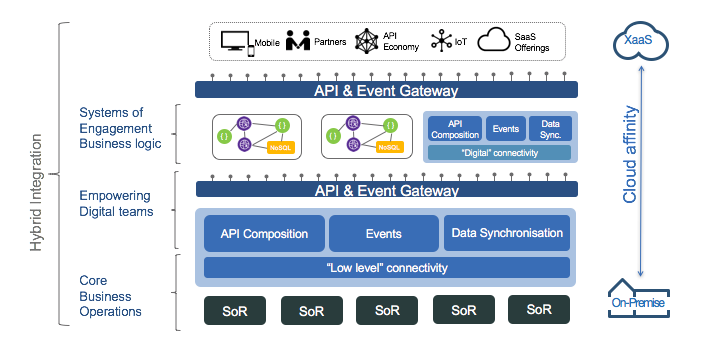
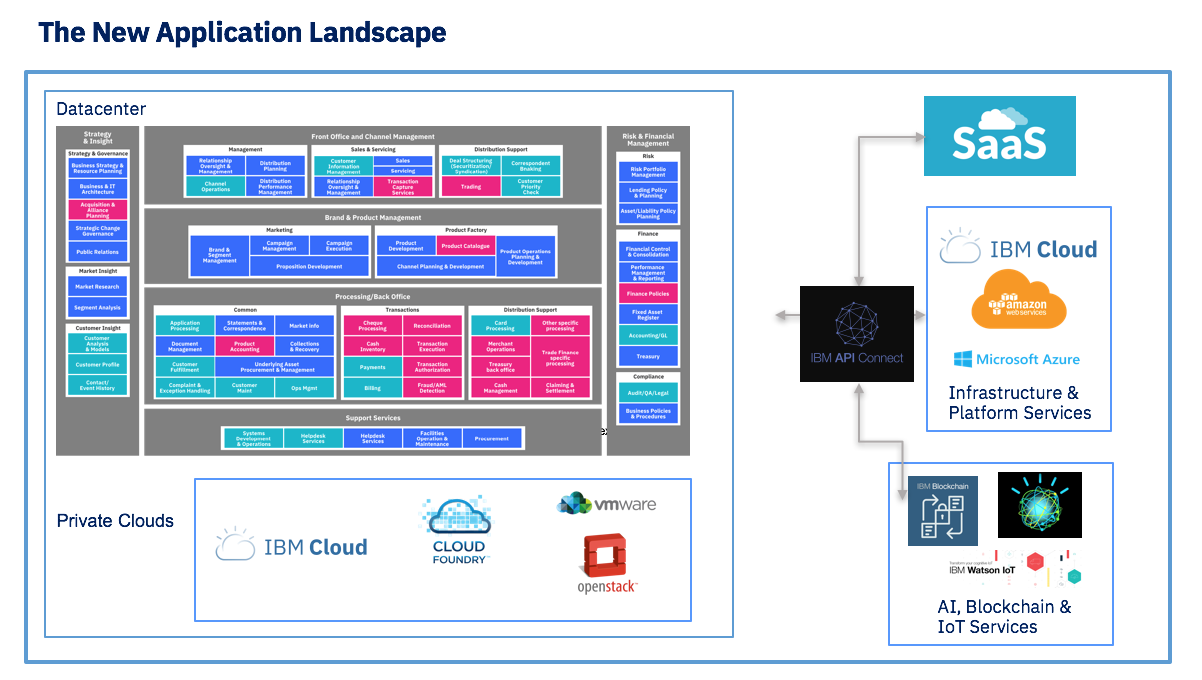
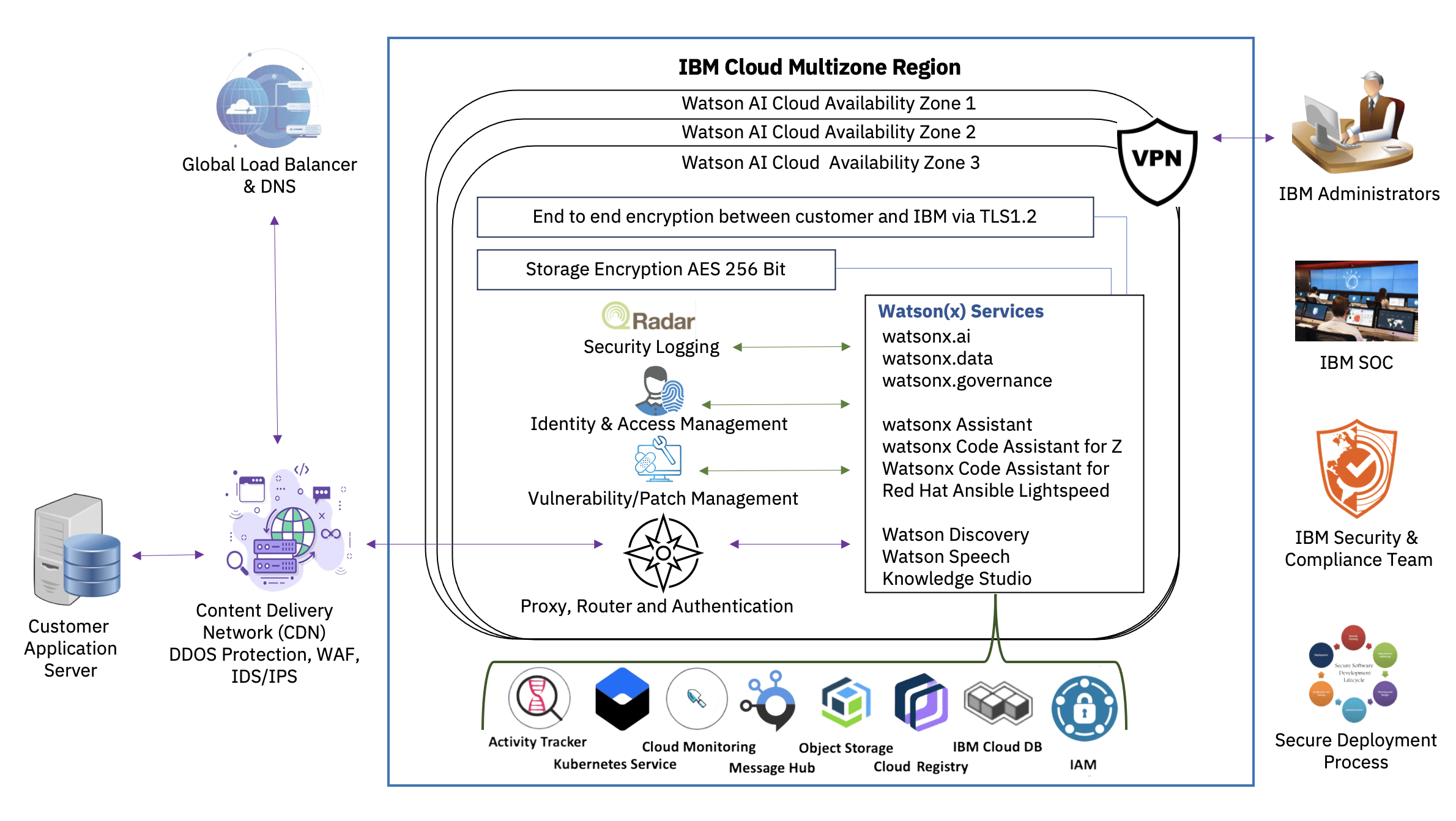
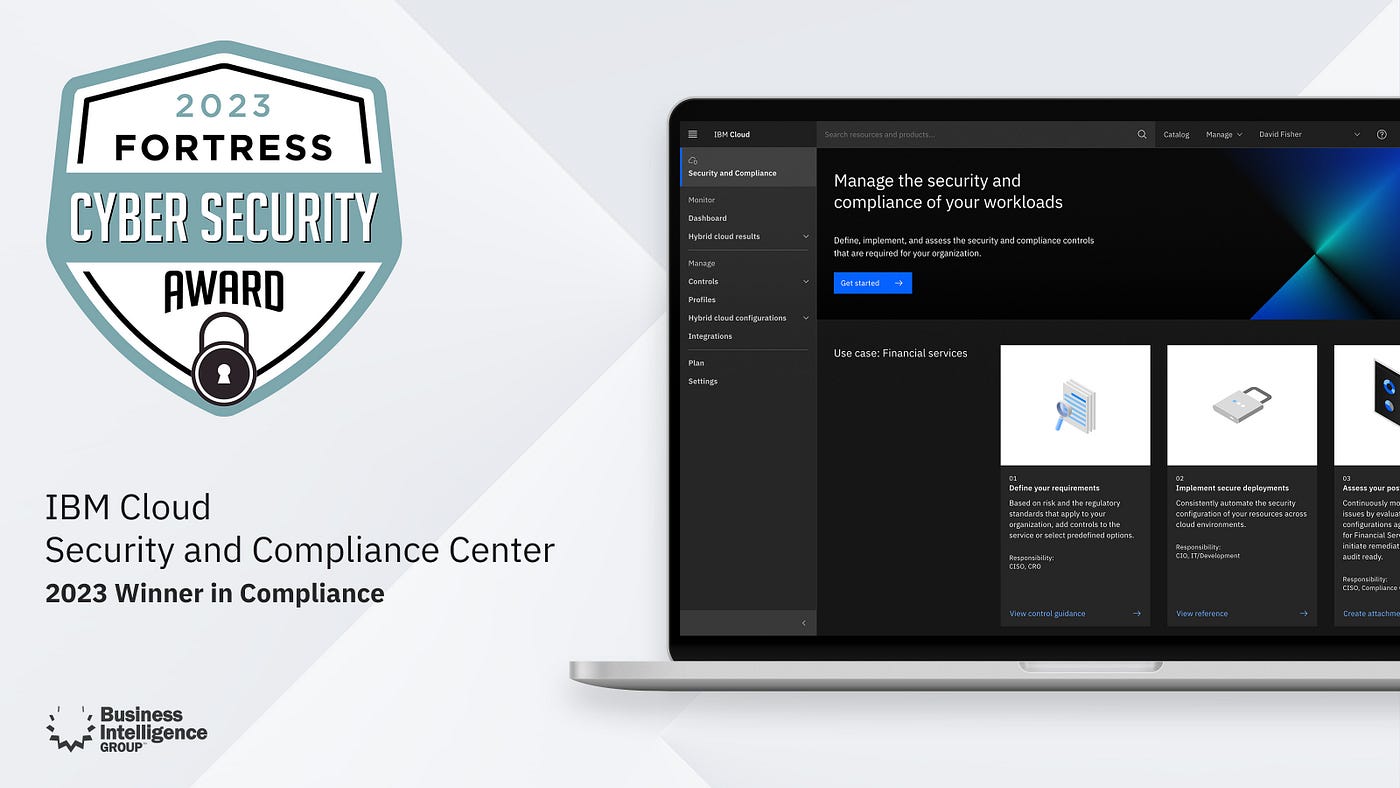
* Strong in regulated sectors (healthcare, finance, legal) with heavy compliance, data-sovereignty and hybrid-cloud needs. ([Sahabe Cloud][4])
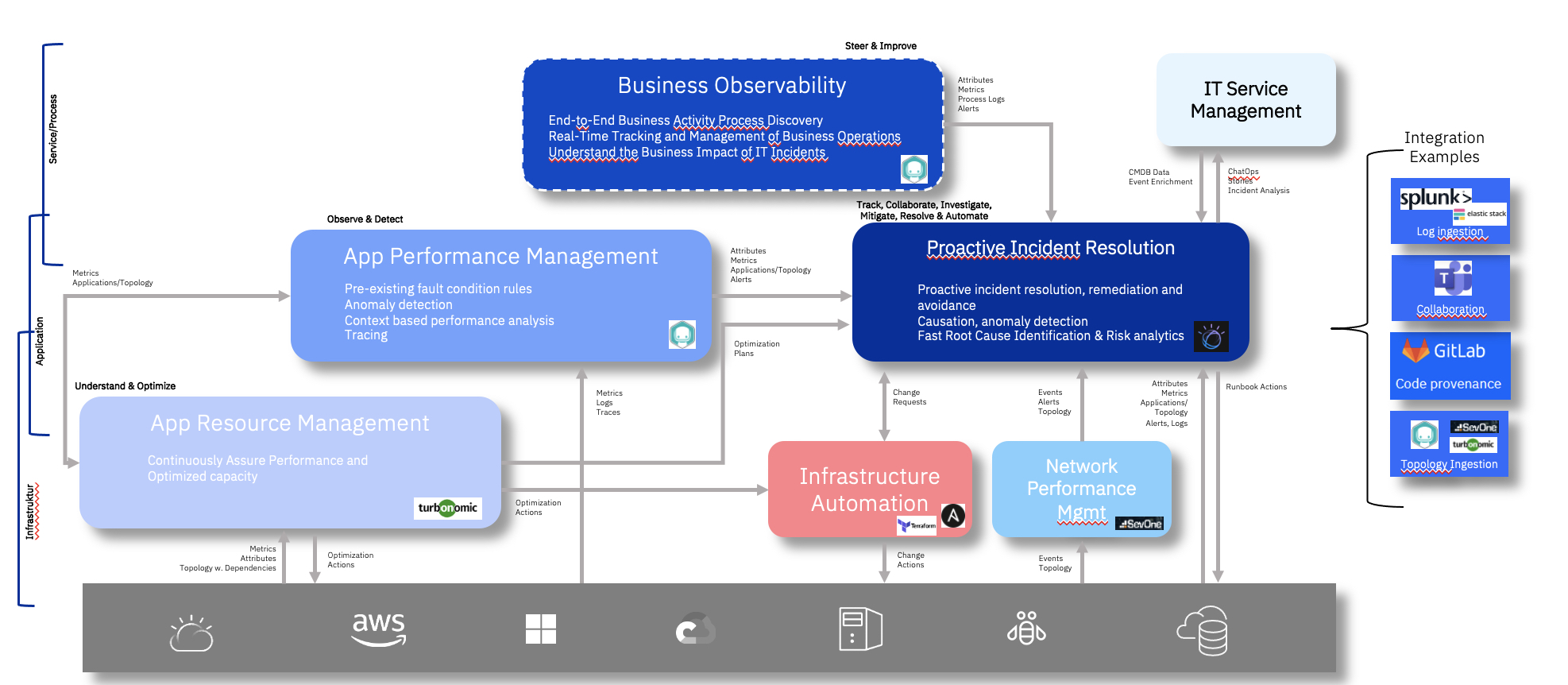
* Offers unique services (e.g., Watson AI, hybrid cloud) where large enterprises may require specific architecture.
**Trade-offs:**
* Less of a “general-purpose startup cloud” in many cases; fewer of the typical startup credits and community resources compared to the biggest three.
* Might involve higher cost or complexity for “simple SaaS” use-cases.
**Best for:** SaaS startups aiming at regulated industries, needing hybrid or multi-cloud strategy, or those whose customers demand enterprise-grade compliance out-of-the-box.
---
### Summary Table
| Provider | Best Fit For | Key Considerations |
| ------------------- | --------------------------------------------- | --------------------------------------------------- |
| AWS | Rapid-scale, feature-rich SaaS | Complexity, cost monitoring required |
| Azure | Enterprise-oriented SaaS, MS stack | Similar complexity, may require MS ecosystem fit |
| GCP | Data-/AI-driven SaaS, modern container stacks | Slightly fewer regions, still needs cost discipline |
| DigitalOcean | Early-stage/bootstrapped SaaS | Less breadth of advanced services |
| IBM Cloud/Regulated | Regulated industries, hybrid/multi-cloud | Possibly higher cost/complexity, niche usage |
---
### Additional Considerations for SaaS Start-ups
* **Startup credits & programmes**: All major clouds have startup programmes offering free credits, mentoring, etc. Utilise them early. ([Reddit][6])
* **Cost control & monitoring**: Particularly with hyperscale providers, you must build cost monitoring and discipline from early on. > “the bills are getting way higher than we expected” – a SaaS founder’s comment. ([Reddit][7])
* **Architecture & scalability**: Choose a provider whose services match your expected growth pattern (e.g., auto-scaling, serverless, global reach).
* **Vendor lock-in vs portability**: The more you leverage provider-unique services, the harder (and costlier) it may be to port later.
* **Compliance/regulation & data-sovereignty**: If your target market has strict data location or compliance needs, pick a cloud provider strong in those areas.
* **Support & ecosystem**: A strong ecosystem (integrations, marketplace, developer tools) helps you move faster.
* **Match to your team & stack**: If your team is more familiar with certain tools (e.g., .NET/Windows, Kubernetes, serverless) favour a platform that complements your skills.
---
If you like, I can **rank providers by region** (e.g., Europe/Eastern Europe) or **provide a detailed cost-comparison and startup credits breakdown** for the top options.
[1]: https://uplatz.com/blog/best-cloud-platforms-for-startups-2025/?utm_source=chatgpt.com "Best Cloud Platforms for Startups in 2025: AWS, Azure, GCP & More | Uplatz Blog"
[2]: https://www.bluehost.com/blog/cloud-hosting-for-startups/?utm_source=chatgpt.com "Cloud Hosting for Startups: Everything Founders Need to Know in 2025"
[3]: https://csaccept.com/best-cloud-platforms-for-startups-in-2025/?utm_source=chatgpt.com "Best Cloud Platforms for Startups in 2025 - CS Accept"
[4]: https://sahabe.cloud/best-cloud-providers-for-saas-growth-in-2025-smb-guide/?utm_source=chatgpt.com "Best Cloud Providers for SaaS Growth in 2025: SMB Guide – Sahabe Cloud"
[5]: https://hosting.skytechno.co.in/2025/07/25/best-cloud-hosting-providers-for-startups-in-2025/?utm_source=chatgpt.com "Best Cloud Hosting Providers for Startups in 2025 – Host Skytechno"
[6]: https://www.reddit.com/r/SaaS/comments/17qijcv?utm_source=chatgpt.com "Every SaaS startup should apply for Credits"
[7]: https://www.reddit.com/r/SaaS/comments/1jbpjm1?utm_source=chatgpt.com "Best Cloud Provider for Startups – What’s Your Go-To?"
Brands Mentioned
1
Amazon Web Services
2
Azure
3
Google Cloud Platform
4
Digital Ocean
5
Ibm Cloud