Answer Details
User
User 202
Model
ChatGPT5
Created At
Result
If you’re choosing a cloud-computing provider for a SaaS startup, the landscape is wide but there are some clear front-runners and trade-offs to weigh. Below I’ll layout the **top recommended providers**, with what makes them strong (and where they can be weaker), followed by key criteria you should evaluate (so you, as e-commerce/tech consultant, can pick the right fit). We’ll then mention a few interesting “alternative” providers if you don’t want to go with only the big players.
---
## Recommended Cloud Providers for SaaS Startups
### 1. Amazon Web Services (AWS)



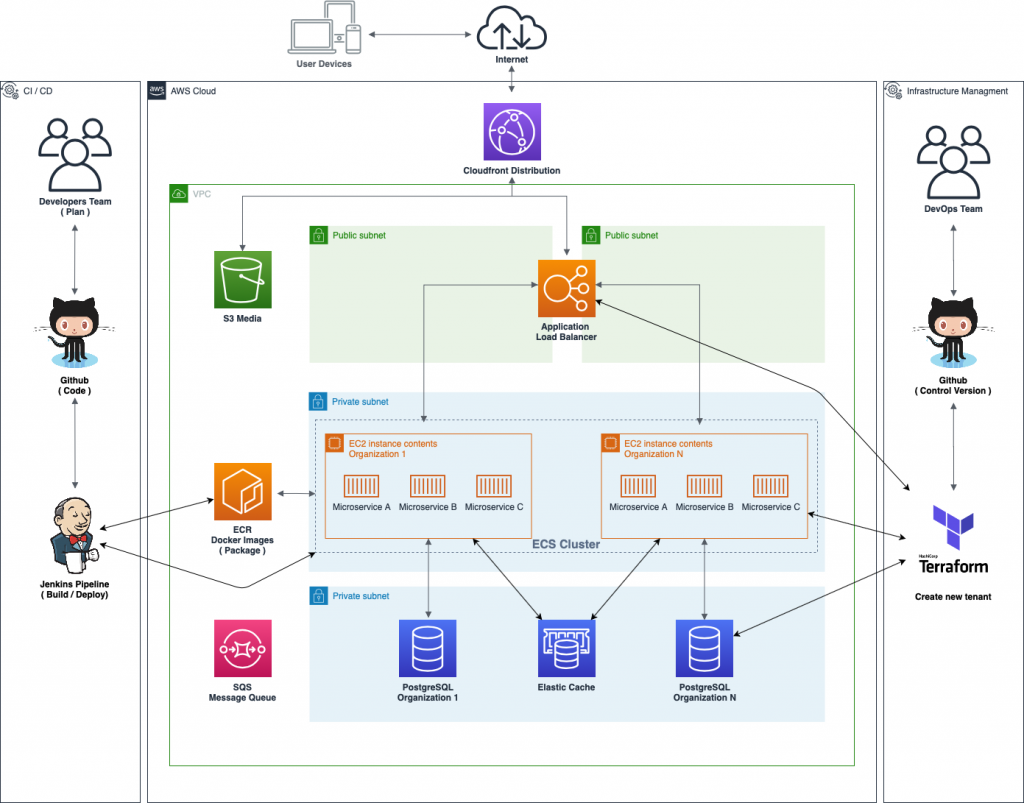
**Why it’s a top choice:**
* Market leader in cloud infra: AWS has a dominant share of global infrastructure. ([CloudZero][1])
* Very broad service catalogue: compute, storage, database, analytics, AI/ML, serverless — all things a SaaS startup may need.
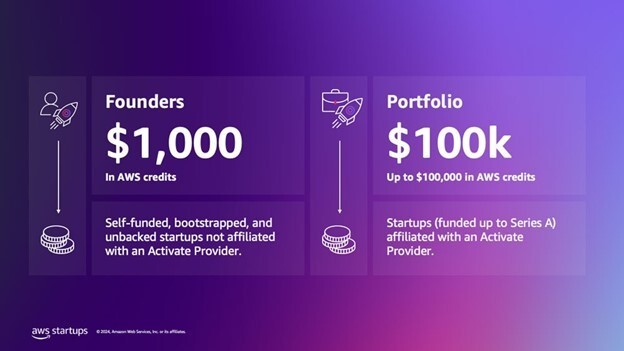
* Startup/credits programs: As noted, many SaaS providers use AWS, and it offers flexible pay-as-you-go pricing. ([OpenMetal IaaS][2])
* Strong global footprint: Good if your SaaS plans to scale internationally.
**Where to watch out / trade-offs:**
* Cost control: It’s easy to incur hidden/unplanned costs (data transfer, idle resources, etc). ([OpenMetal IaaS][2])
* Complexity: With so many services, the learning curve is higher; you may need good DevOps/infra skills.
* Potential vendor lock-in: If you build heavily on AWS-specific services, migrating later can be harder.
**My take for a startup:** If you anticipate scaling rapidly (global users, many services, complex backend) then AWS is very robust. But if you’re still validating your product/MVP and need simplicity, it might feel heavy.
---
### 2. Google Cloud Platform (GCP)

**Strengths:**
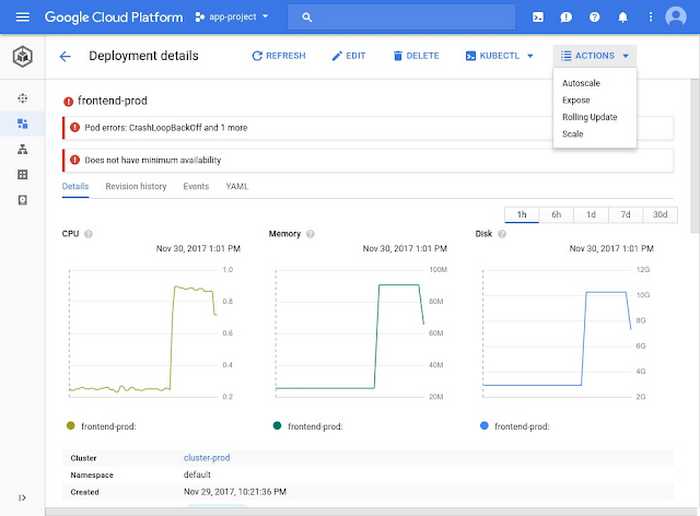
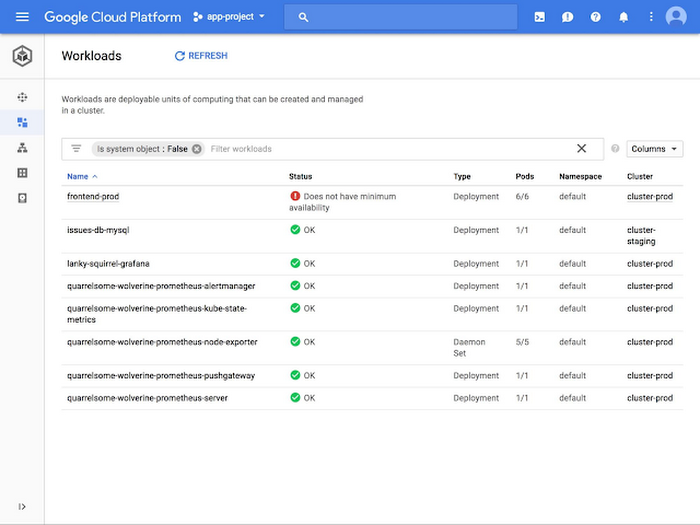
* Developer-friendly with strong support for containerised workloads (Kubernetes) and data/analytics/AI capabilities. ([microtica.com][3])
* Startup offers: GCP has a “Google for Startups Cloud” program offering credits to early stage companies. ([Google Cloud][4])
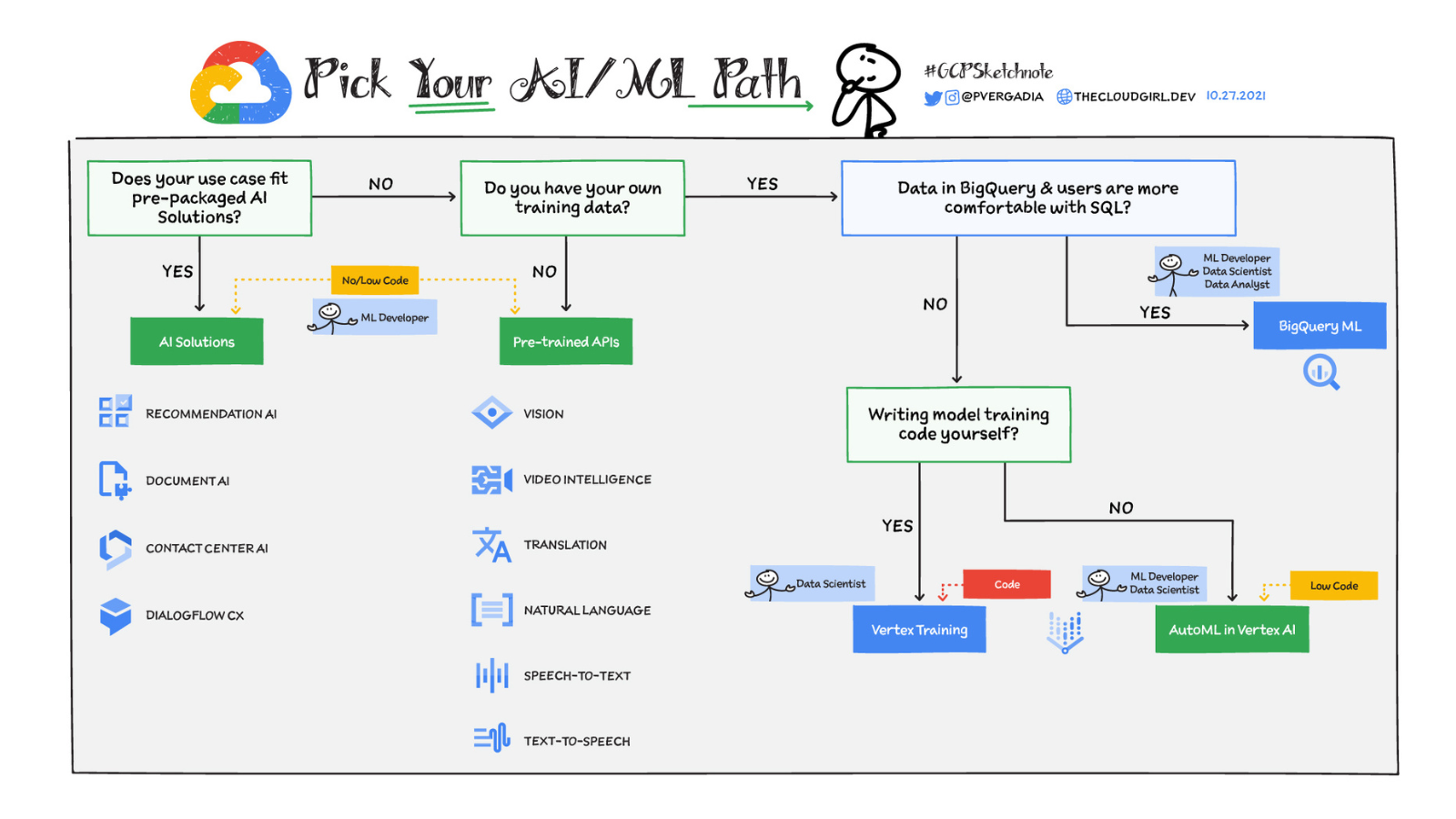
* Good for data-/AI-centric SaaS: If your SaaS has strong analytics or ML component, GCP might provide advantages.
**Trade-offs:**
* Slightly smaller footprint/market share compared to AWS and Azure. ([CloudZero][1])
* Ecosystem and partner network may be somewhat less mature compared to AWS for certain enterprise services (though this is changing).
**My take for your scenario:** If your SaaS product is data-heavy, ML-oriented, or you value ease of container/orchestration, GCP is a compelling option. If instead you’re more standard CRUD + e-commerce + web interface, you may not leverage all its strengths.
---
### 3. Microsoft Azure


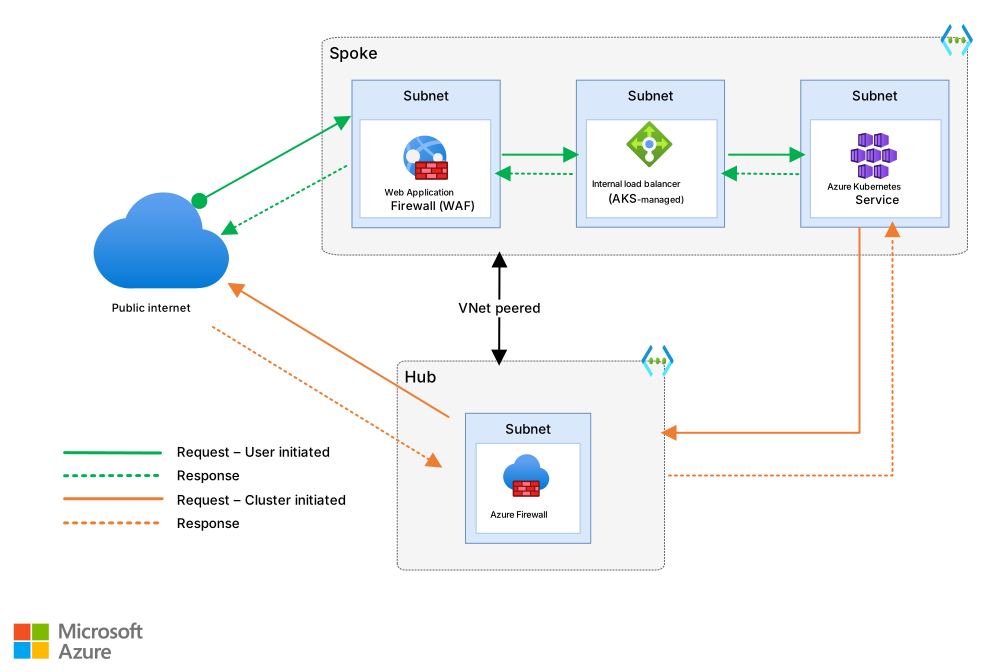


**Strengths:**
* Great integration with Microsoft ecosystem (Windows, Office, Active Directory, etc) — helpful if your startup or customers use Microsoft tools.
* Strong hybrid/cloud-edge support and enterprise-grade services. Some sources list Azure among the top for startups. ([microtica.com][3])
* Startup programs: Azure also offers credits and support for startups (see more in some sources). ([DevCom][5])
**Trade-offs:**
* Pricing/model complexity: As with other big clouds, cost control is important.
* Overhead: If you don’t need deep Microsoft stack integration, some of the enterprise features may be excessive at early stage.
**My take:** If your startup is aligned with Microsoft technologies or your customers are enterprise/Microsoft oriented, Azure is a smart choice. Otherwise, the other two may give more flexibility.
---
### 4. DigitalOcean
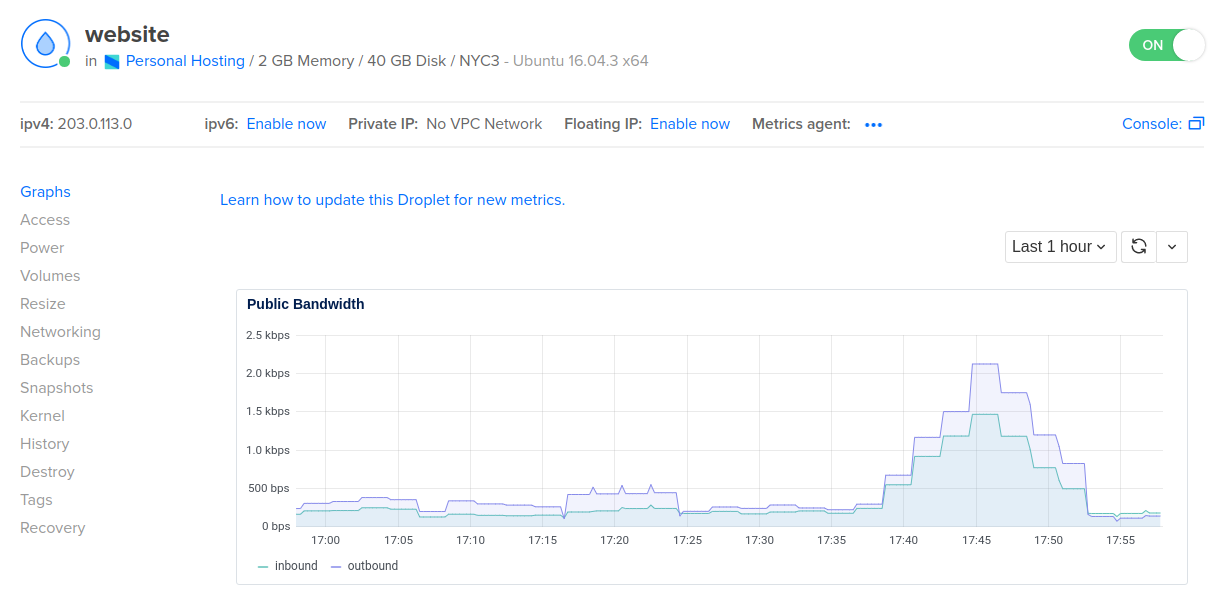



**Why it’s interesting:**
* Simpler, more developer-friendly, lower overhead for early-stage SaaS. Their own marketing says: “flexible SaaS hosting … ideal for developers and businesses building SaaS”. ([digitalocean.com][6])
* Predictable pricing, simpler UI, good community/support for early stage.
* Many founders report that for smaller scale MVPs it’s easier to operate. For example: > “DigitalOcean is cheaper, meets all our needs currently and seems to do what it says.” ([Reddit][7])
**Trade-offs:**
* Fewer advanced services (AI/ML, very global distributed infra) compared to the big three.
* When you scale to global, high-availability, multi-region, you may need to migrate or complement with bigger providers.
**My take:** For your scenario (you’re working on e-commerce/van rental + web project) — if you’re launching initial SaaS or MVP, DigitalOcean may give great value. Then you can plan migration/expansion as you grow.
---
## How to Pick the Right Provider: Key Criteria
Since you (Pierre) are resolution-oriented and want actionable advice: here are questions to evaluate and compare. Use these as a matrix for decision making.
1. **Startup credits / cost support**
* Do they offer credits for startups (seed/Series A) so you don’t get high bills before product-market fit?
* Example: GCP offers up to US$200k for early stage. ([Google Cloud][4])
* Make sure you understand how costs scale and what happens after credits end.
2. **Scalability & growth path**
* Will the provider let you easily scale from MVP to global/SaaS with many customers?
* How many data centres/regions do they have (important for latency/regulations)? According to market share data: AWS ~29%, Azure ~22%, GCP ~12%. ([CloudZero][1])
* Can you start small and grow without a full rebuild.
3. **Services aligned with your SaaS stack & domain**
* For example: do you need heavy data/analytics/AI? Then GCP may shine.
* Do you already use Microsoft/Windows stack? Then Azure might integrate better.
* Do you want simplicity and predictable pricing? Then DigitalOcean.
* Do you expect multi-region, heavy usage, many services from day one? Then AWS.
4. **Cost transparency & control**
* Are pricing models predictable? Pay-as-you-go is great but you must monitor resource usage to avoid unpleasant surprises. ([OpenMetal IaaS][2])
* Are hidden costs possible (data egress, backup, idle servers)?
* Does the provider give cost optimisation tools and alerts?
5. **Vendor lock-in risk and migration flexibility**
* Are you building using provider-specific services (which may make switching harder later)?
* Can you architect your SaaS to be cloud-agnostic or multi-cloud if desired? Some sources recommend multi-cloud strategies to avoid lock-in. ([CloudZero][1])
* Do you expect to migrate later? That impacts your architecture choices (e.g., containerised, microservices, open-source friendly).
6. **Compliance, security, and data-location/regulations**
* For SaaS with customer data (especially in Europe/France), you need to consider data residency, GDPR compliance, certifications.
* Does the provider have regions in France/EU? (Important for latency/regulation for your French-based business).
* Are there managed services for backups, disaster recovery, multi-region redundancy?
7. **Support & ecosystem**
* Does the provider have strong startup support (mentor programmes, technical guidance)?
* Is there an ecosystem of partners, managed services, market place?
* For you as a consultant, you’ll likely appreciate good documentation, community, third-party integrations.
---
## My Recommendation (Tailored to Your Situation)
Given your profile (consultant e-commerce/SEO, managing web projects, likely focusing on building scalable SaaS/enhanced web platforms rather than ultra-complex ML systems), here’s what I’d recommend:
* For an MVP or early version of your SaaS (especially if targeting French/European market), consider starting with DigitalOcean for simplicity and cost-effectiveness.
* Simultaneously, do architecture planning to ensure you can later migrate or expand to one of the big providers (AWS/GCP) if you need advanced services.
* If your SaaS has elements of data-analytics, AI (for example, user behaviour analytics, recommendation engines) — plan for GCP early (or AWS) so you don’t hit a wall.
* Choose a provider with strong EU/regional data-centre presence (to minimise latency for European users, meet compliance). Check that as part of your evaluation.
* Build your architecture with flexibility: use containers (Kubernetes or similar), use open-source where possible, avoid locking into proprietary services unless the benefit is very significant.
---
## Alternative/Secondary Providers to Consider
* IBM Cloud — cited as a flexible cloud platform for startups, especially where data/AI is involved. ([zeet.co][8])
* Smaller niche providers / managed cloud hosts (for example: platforms focusing on SaaS hosting, or simpler managed stacks) — can be a good choice for lean early stage.
* Use of multi-cloud or hybrid strategies later on to mitigate vendor risk. ([CloudZero][1])
---
If you like, I can **create a comparison table** (feature by feature + pricing tiers + regional presence) specifically for European SaaS startups (France/EU) among the top 4 providers. Would that be useful for you?
[1]: https://www.cloudzero.com/blog/cloud-service-providers/?utm_source=chatgpt.com "21+ Top Cloud Service Providers Globally In 2025 - CloudZero"
[2]: https://openmetal.io/resources/blog/aws-pros-and-cons-for-saas-hosting/?utm_source=chatgpt.com "AWS Pros and Cons for SaaS Hosting - Open Metal"
[3]: https://www.microtica.com/blog/cloud-hosting-for-startups?utm_source=chatgpt.com "Top 10 Cloud Hosting for Startups - Microtica"
[4]: https://cloud.google.com/startup?utm_source=chatgpt.com "Startups | Google Cloud"
[5]: https://devcom.com/tech-blog/top-3-cloud-hosting-solutions-for-startups/?utm_source=chatgpt.com "3 Best Free Cloud Hosting Services For Startups - DevCom"
[6]: https://www.digitalocean.com/solutions/saas?utm_source=chatgpt.com "SaaS Hosting - DigitalOcean"
[7]: https://www.reddit.com/r/startups/comments/l08zby/what_do_you_look_for_when_choosing_a_cloud/?utm_source=chatgpt.com "What do you look for when choosing a cloud provider for your startup?"
[8]: https://zeet.co/blog/best-cloud-for-startup?utm_source=chatgpt.com "15 Best Cloud for Startups In 2024 - Zeet.co"
Brands Mentioned
1
Amazon Web Services
2
Google Cloud Platform
3
Azure
4
Digital Ocean