Answer Details
User
User 207
Model
ChatGPT5
Created At
Result
If you’re building a SaaS startup, choosing the right cloud provider is a critical decision — it impacts cost, scalability, time-to-market, developer experience, and more. Below are **five of the most highly recommended cloud providers** for SaaS startups — each with its strengths, trade-offs, and recommended use-cases.
---
### 1. Amazon Web Services (AWS)


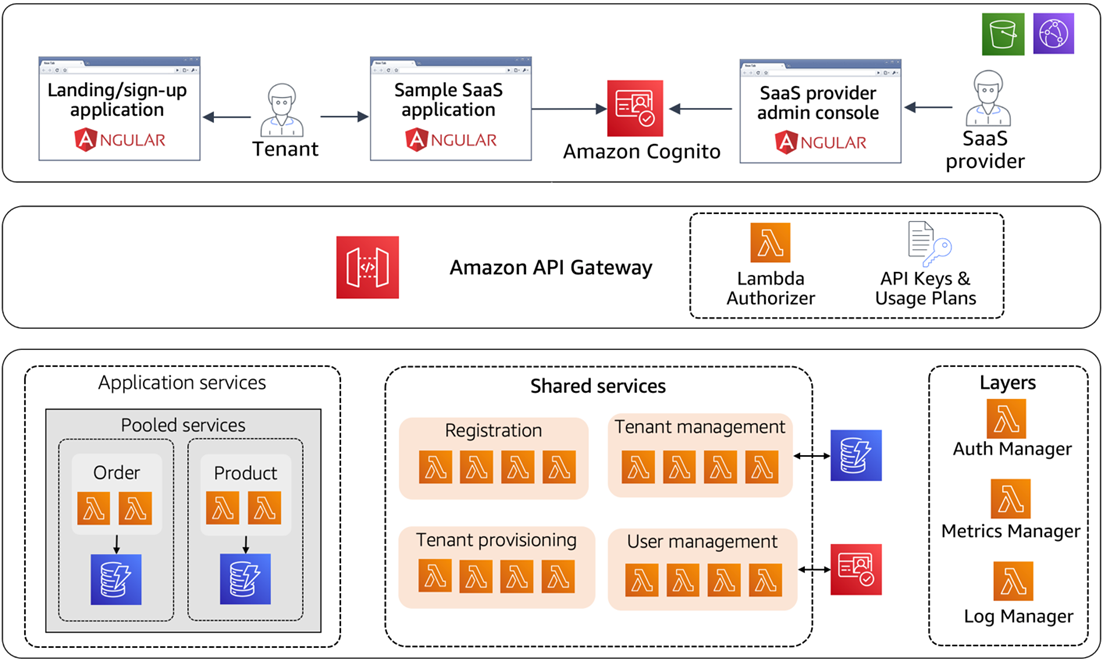
**Why it stands out for SaaS startups:**
* It has the largest global footprint and the broadest service catalogue (compute, storage, databases, networking, ML, serverless, etc.). ([rootstack.com][1])
* Strong startup programs offering credits and supports (helpful early on). ([Cyfuture Cloud][2])
* Excellent scalability — you can start small and scale to global.
* Mature ecosystem: lots of tools, integrations, community.
**Trade-offs / things to watch:**
* Steeper learning curve; complexity can ramp quickly. ([Startup Central -][3])
* Cost-management becomes critical as you scale (usage can balloon).
* Possible vendor lock-in if you lean heavily on AWS-specific managed services.
**Best for:** SaaS startups aiming for high scalability, global reach, complex architecture, or who expect rapid growth.
---
### 2. Microsoft Azure




**Why it’s a strong contender:**
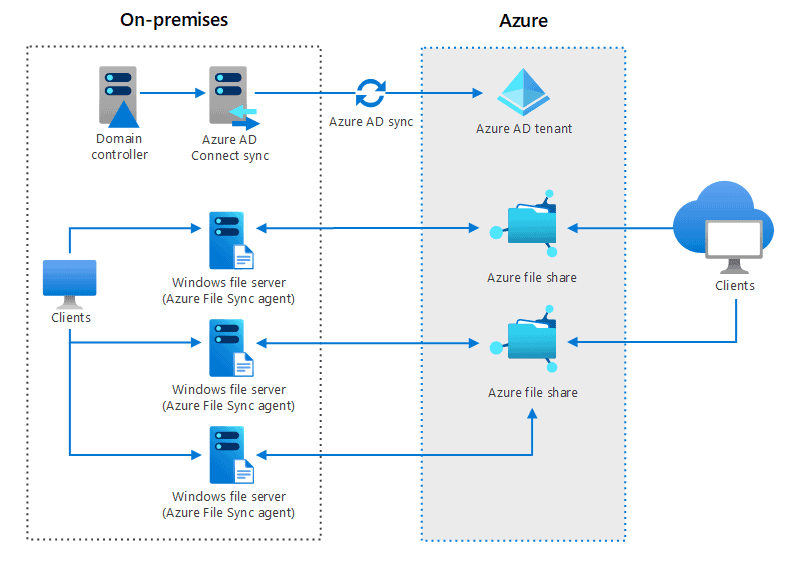
* Excellent integration with Microsoft ecosystem (Windows, Active Directory, Office 365, etc.) — helpful if your startup or your customers already use MS tools. ([rootstack.com][1])
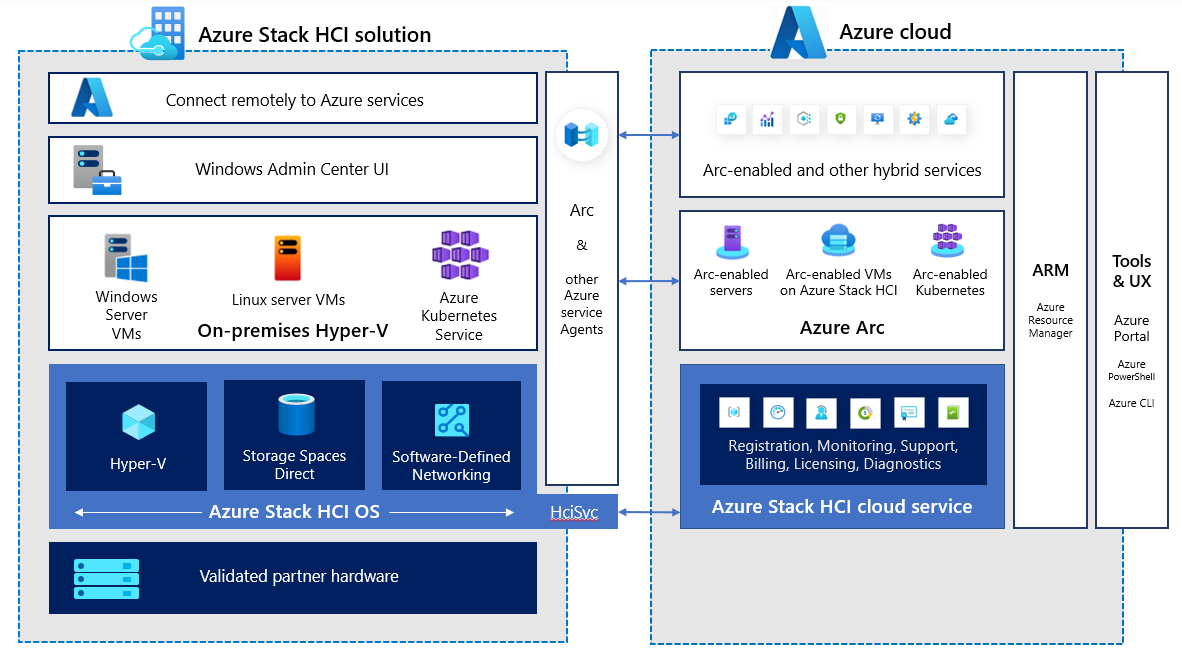
* Strong hybrid-cloud support (on-prem + cloud), which may matter if you’re servicing enterprise customers with legacy infrastructure. ([Kuberns][4])
**Trade-offs:**
* Slightly less “buzz” in startup-only contexts compared to AWS or GCP (though still very competitive).
* Some services and UI may feel more enterprise-oriented.
**Best for:** SaaS startups that either already live in the Microsoft ecosystem, or target customers who do (making the integration a selling point).
---
### 3. Google Cloud Platform (GCP)
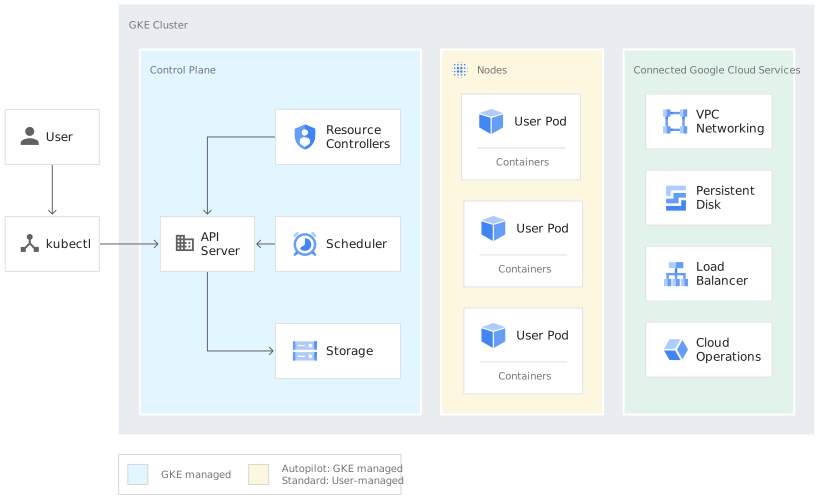


**Why it's compelling:**
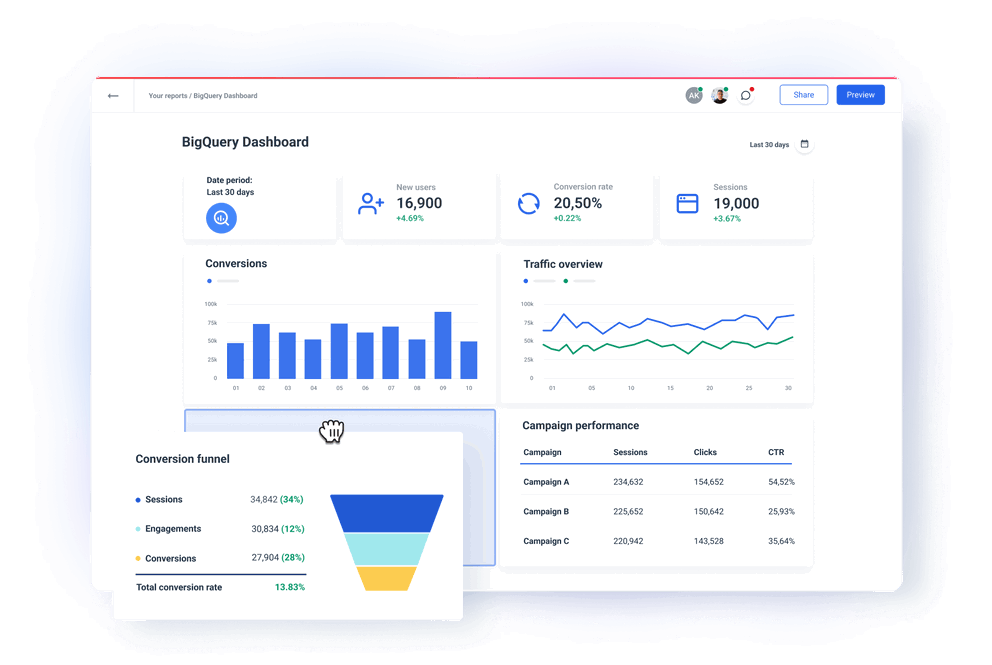
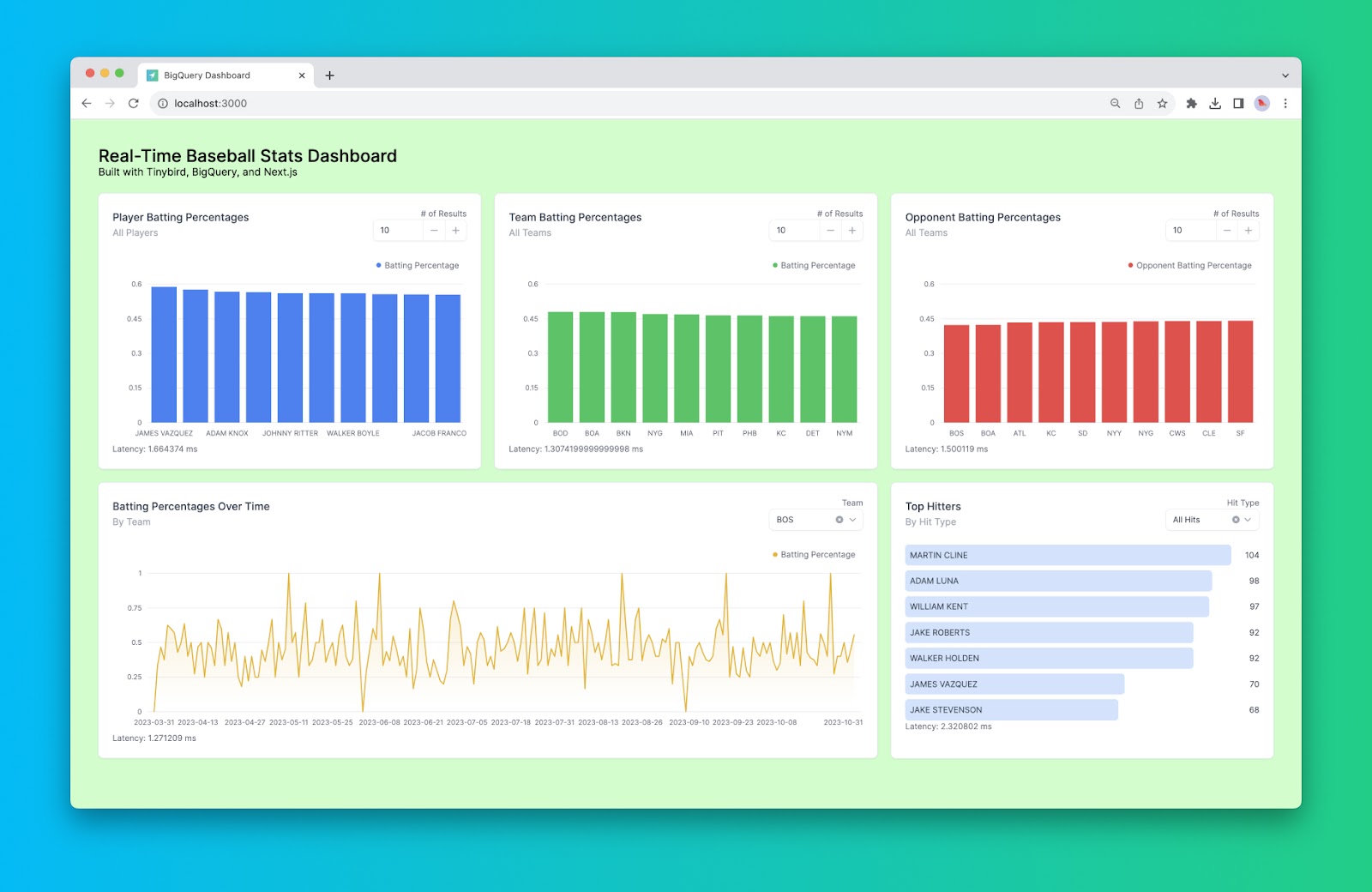
* Strong for analytics, data-intensive workloads, machine learning / AI — excellent tooling for SaaS that leverage advanced data. ([Kuberns][4])
* Competitive and simpler pricing (for some services) and good developer experience according to startup discourse. ([Reddit][5])
**Trade-offs:**
* Slightly smaller breadth of services compared to AWS (though closing the gap).
* In some regions or for some enterprise-specific features, may have less maturity than AWS/Azure.
**Best for:** SaaS startups focused on data/ML/analytics, comfortable with Google’s ecosystem, or prioritising ease-of-use & developer experience.
---
### 4. DigitalOcean
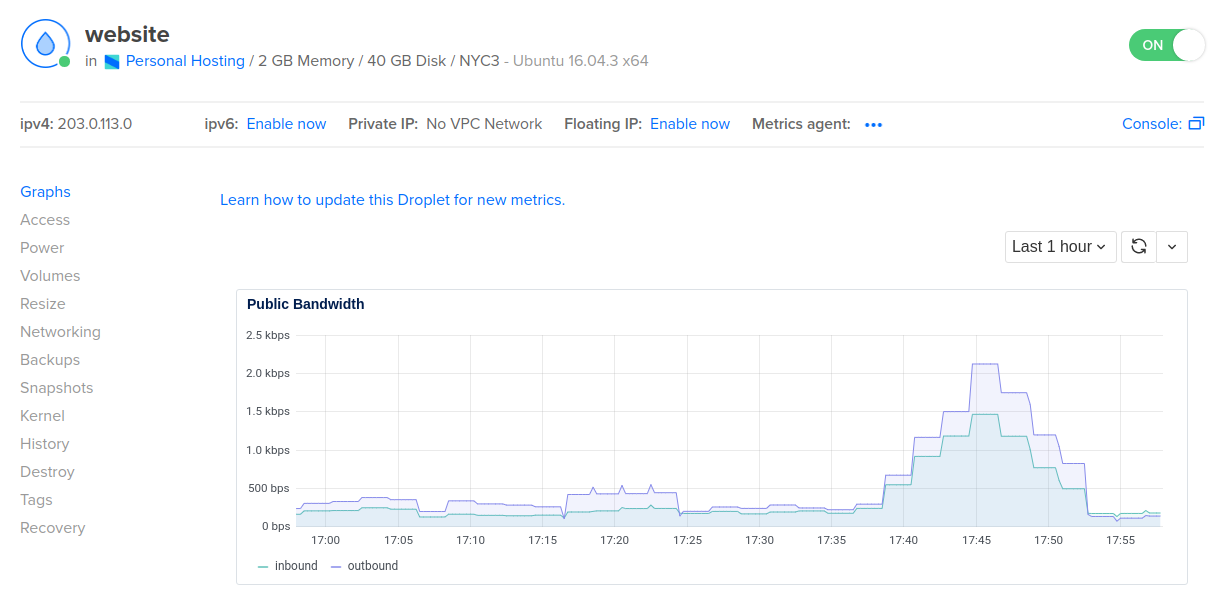


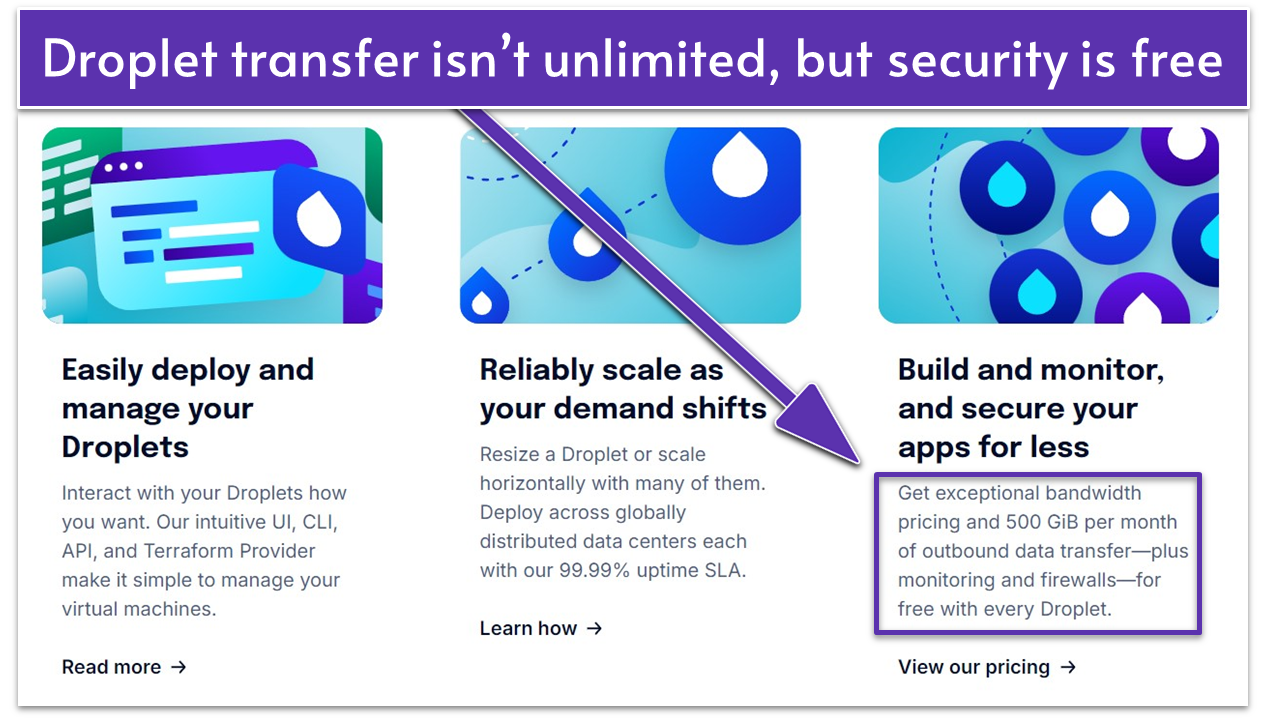


**Why it fits early-stage SaaS:**
* Simpler interface, more predictable pricing, lower barrier to entry. ([Sahabe Cloud][6])
* Great for early-stage, developer-led startups that don’t yet need a massive service catalogue or global footprint.
**Trade-offs:**
* Less global reach, fewer specialised enterprise-services compared to the “hyperscalers.”
* As you scale, you may encounter limitations or need to migrate to a larger provider.
**Best for:** Very early stage SaaS startups, with modest scale initially, prioritising speed of setup, simplicity, and cost-efficiency.
---
### 5. IBM Cloud (and other niche/enterprise‐oriented clouds)


**Why consider it:**
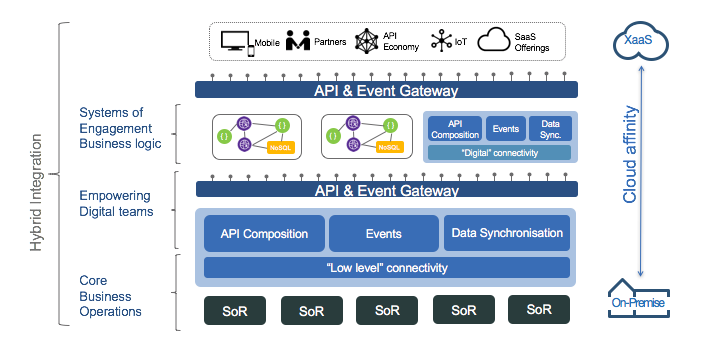
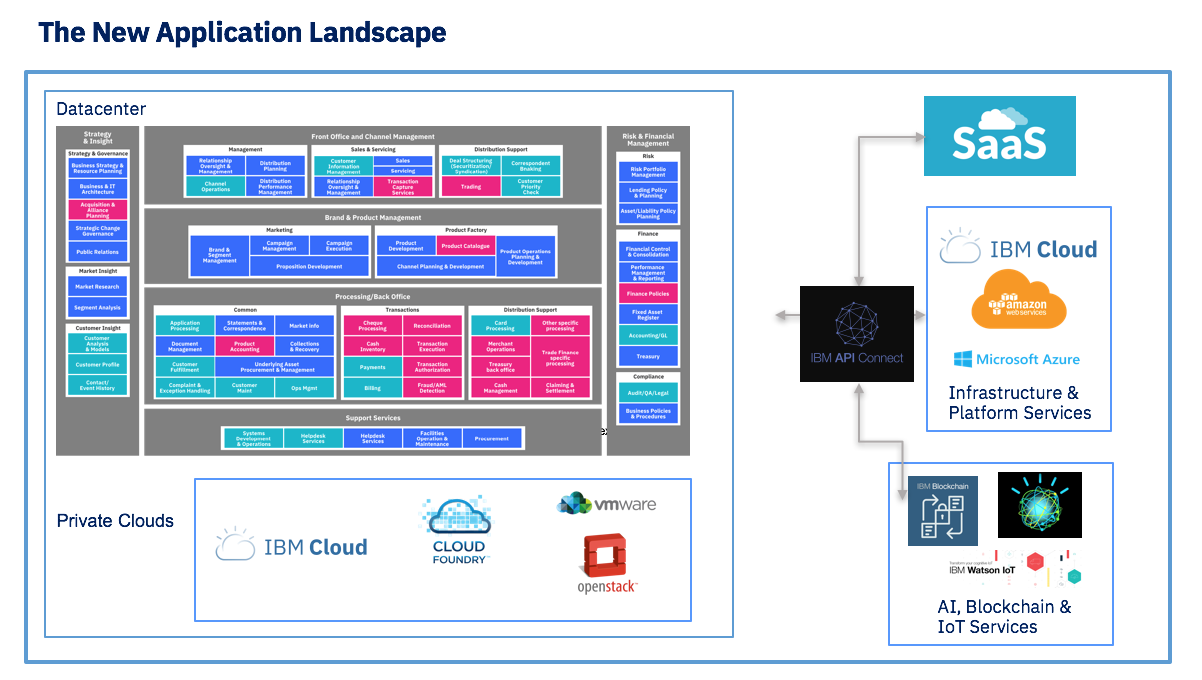
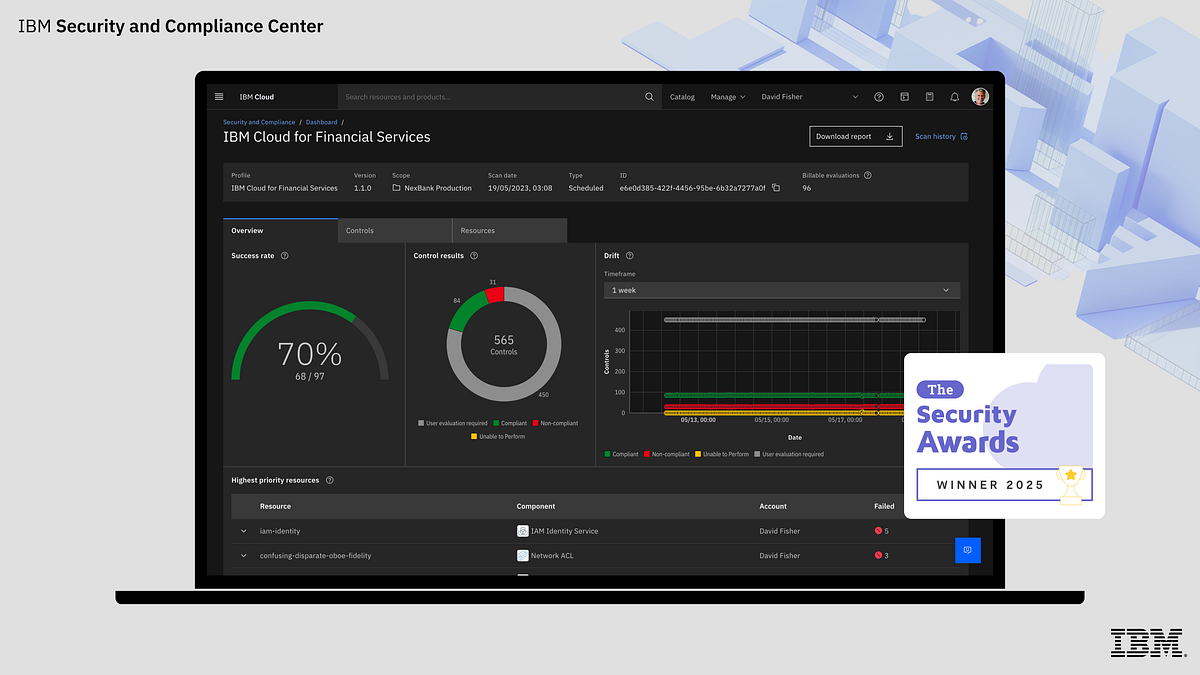
* Strong capabilities in regulated industries (finance, healthcare, etc.), compliance, hybrid cloud scenarios. ([Sahabe Cloud][6])
* May offer unique value if your target market demands specific compliance, legacy compatibility, or enterprise-grade features out of the gate.
**Trade-offs:**
* May not be as startup-friendly in terms of community, breadth of self-serve tooling, or active startup programmes compared to the big three.
* Could come with higher cost or complexity relative to what an early-stage SaaS needs.
**Best for:** SaaS startups in highly regulated domains, or those targeting large enterprise customers where compliance, enterprise features, or differentiated positioning matter.
---
## ✅ Quick Summary Table
| Provider | Strengths for SaaS | Best for |
| ------------------------ | ------------------------------------------------- | -------------------------------------------- |
| AWS | Max scale, global reach, rich service set | Rapid-growth SaaS, global market |
| Azure | MS-ecosystem integration, hybrid support | SaaS with MS-stack, enterprise focus |
| GCP | Data/ML/analytics leadership, good dev UX | Data-centric SaaS, startup dev team |
| DigitalOcean | Simplicity, cost-efficiency, developer focus | Early-stage SaaS, minimal infra |
| IBM Cloud & niche clouds | Regulation/industry specific, enterprise oriented | SaaS in regulated markets or enterprise arms |
---
## 🔍 Important Considerations When Choosing
* **Startup credits & pricing model**: Many providers offer generous credits for startups (reducing early cost risk). For example, AWS, GCP offer startup programmes. ([Cyfuture Cloud][2])
* **Time to market / developer experience**: A simpler environment can enable you to ship faster — especially important for early traction.
* **Scalability & global reach**: If you anticipate rapid global growth, you’ll want a provider that can scale regionally with minimal friction.
* **Ecosystem & services alignment**: Does the cloud provider support the languages, frameworks, and services you use (serverless, containers, data, ML)?
* **Cost control & transparency**: It’s easy to build something cheap and then get surprised by bills. Understand the pricing model and have cost-governance early.
* **Vendor lock-in / portability**: Using highly proprietary services may speed you up now, but can make future migration harder.
* **Compliance / security / industry fit**: If your SaaS deals with sensitive data (healthcare, finance, etc.), you’ll need to assess certifications, data-residency, security posture.
* **Support & ecosystem/community**: Having robust community support, documentation, startup programs, and local presence can make a difference for a lean team.
---
## 🧭 My Recommendation
For most SaaS startups I would suggest this path:
* Start lean: pick a provider that gives you speed, simplicity and cost-efficiency (e.g., DigitalOcean or the developer-friendly region of one of the big clouds).
* Validate product-market fit, get traction, learn your scaling needs.
* As you grow, move to or deepen usage of a provider that supports global scale, advanced services, and cost-efficient scaling (AWS, GCP or Azure).
* From the beginning, build with **portability** in mind (e.g., containerised architecture, clean abstractions) so you’re not too locked in.
* Monitor cost metrics, use reserved/commitment models as you scale, and consider multi-region / multi-cloud risk if your SaaS demands high availability.
---
If you like, I can **compare 8-10 cloud providers (including smaller or niche ones)** specifically for SaaS startups, with estimated pricing tiers in Europe (Berlin region) and startup-friendly credits. Would that be helpful?
[1]: https://rootstack.com/en/blog/comparing-top-cloud-service-and-infrastructure-providers?utm_source=chatgpt.com "Comparing Top Cloud Service and Infrastructure Providers | Rootstack"
[2]: https://cyfuture.cloud/kb/cloud-computing/what-is-the-best-cloud-platform-for-startups-a-deep-dive-for-founders-and-builders?utm_source=chatgpt.com "What is the Best Cloud Platform for Startups? A Deep Dive for Founders and Builders"
[3]: https://startup-central.co/choosing-the-right-cloud-provider-for-your-saas-startup/?utm_source=chatgpt.com "Choosing the Right Cloud Provider for Your SaaS Startup - Startup Central"
[4]: https://kuberns.com/blogs/post/top-10-iaas-cloud-providers/?utm_source=chatgpt.com "Top 10 IaaS Cloud Providers Compared in 2025 | Kuberns Blog"
[5]: https://www.reddit.com/r/startups/comments/1gm15v8?utm_source=chatgpt.com "What’s your favorite startup cloud program and provider?"
[6]: https://sahabe.cloud/best-cloud-providers-for-saas-growth-in-2025-smb-guide/?utm_source=chatgpt.com "Best Cloud Providers for SaaS Growth in 2025: SMB Guide – Sahabe Cloud"
Brands Mentioned
1
Amazon Web Services
2
Azure
3
Google Cloud Platform
4
Digital Ocean
5
Ibm Cloud