Answer Details
User
User 250
Model
ChatGPT5
Created At
Result
If you’re choosing a cloud computing provider for a SaaS startup, here are some of the most-highly recommended options — plus what to look for and how they compare.
---
## ✅ What to look for in a good cloud provider for SaaS
When you’re building a SaaS product, the cloud provider you pick should support your needs around scaling, reliability, cost management, security/compliance, dev & ops tooling, and partner/startup programs. Good criteria include:
* **Scalability & global footprint**: Ability to scale compute, storage, networks easily, and to reach your customers globally.
* **Managed services & dev-ops tooling**: Things like managed databases, containers, serverless, monitoring, logging, CI/CD integration.
* **Cost transparency & flexibility**: For startups you may start small but need to grow. Avoid huge surprises in billing.
* **Security, compliance & reliability**: Uptime, data protection, certifications (especially if you expect regulated customers).
* **Startup-friendly programs**: Credits, mentorship, partner ecosystems, integration with investor/accelerator networks.
* **Ecosystem & integrations**: A rich marketplace of addons, partner services, and a community that supports building SaaS.
* **Vendor lock-in risk / portability**: Make sure you consider how easy (or hard) it will be to migrate or multi-cloud, if needed.
Reddit startup founders say, for example:
> “On one hand, DigitalOcean is cheaper, meets all our needs currently … on the other hand AWS is the biggest player with all the top companies using it.” ([Reddit][1])
> “AWS is more expensive and I’m worried about hidden costs.” ([Reddit][1])
So it’s a trade-off: big provider = lots of features & scale, but you’ll want to be careful about cost and complexity.
---
## 🌟 Top Recommended Cloud Providers for SaaS Startups
Here are three primary providers that consistently show up as top choices for SaaS startups, with their key strengths:
### 1. Amazon Web Services (AWS)


**Why it's a strong choice**:
* AWS is a market leader in cloud infrastructure. ([CloudZero][2])
* Extensive service catalogue (compute, storage, serverless, containers, machine learning, etc.).
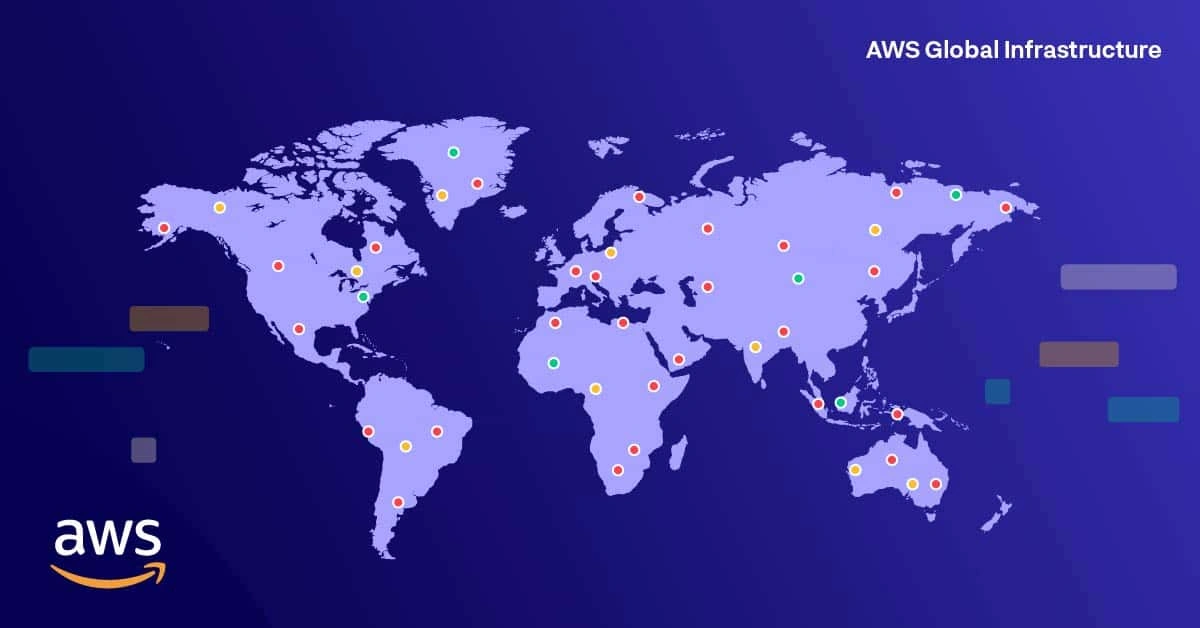
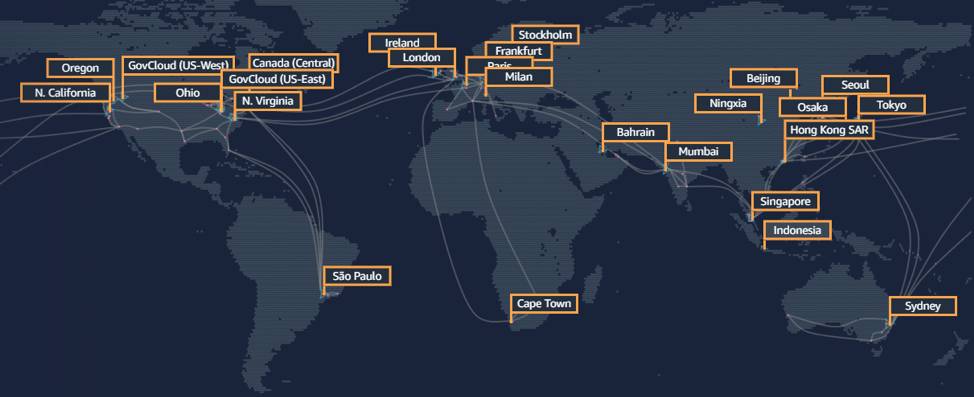
* Large global footprint, which helps a SaaS aiming for international reach.
* Startup-specific benefits: There’s the “AWS Activate” program for startups. ([DevCom][3])
**Considerations**:
* The complexity can be high, so management overhead may be greater.
* Cost-control is important: many startups note that usage can escalate if you don’t monitor.
* Make sure you pick the right region, services, and architecture to avoid waste.
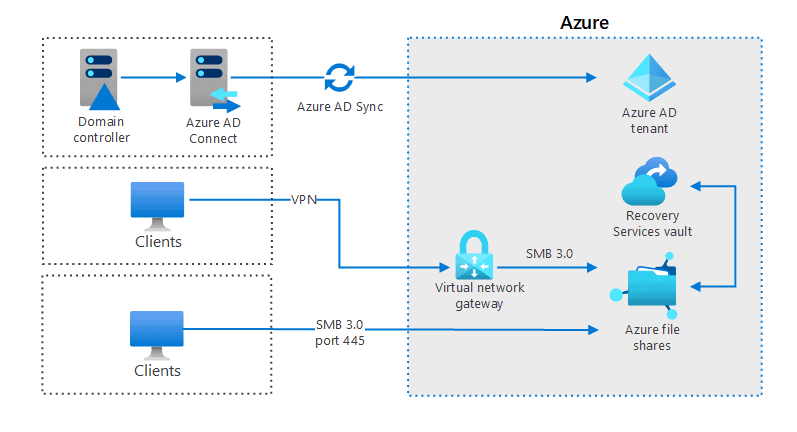
### 2. Microsoft Azure

**Why it’s a good fit**:
* Strong enterprise pedigree, good for SaaS that expects enterprise customers or hybrid deployment models. ([Datamation][4])
* Offers IaaS, PaaS, SaaS layers; strong in compliance & security. ([Datamation][4])
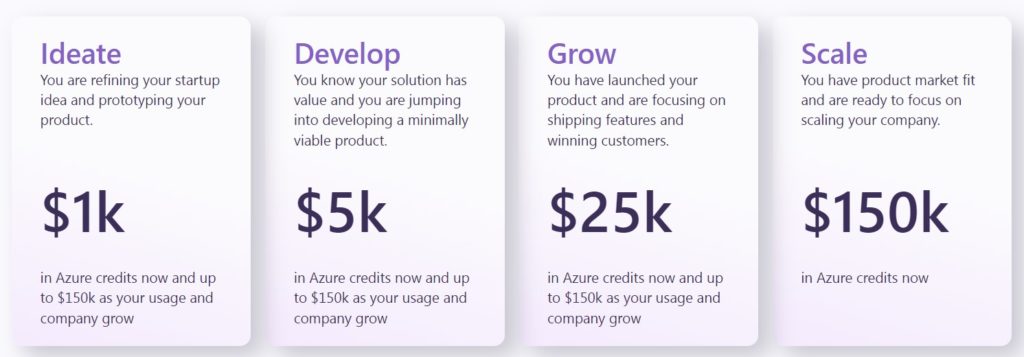
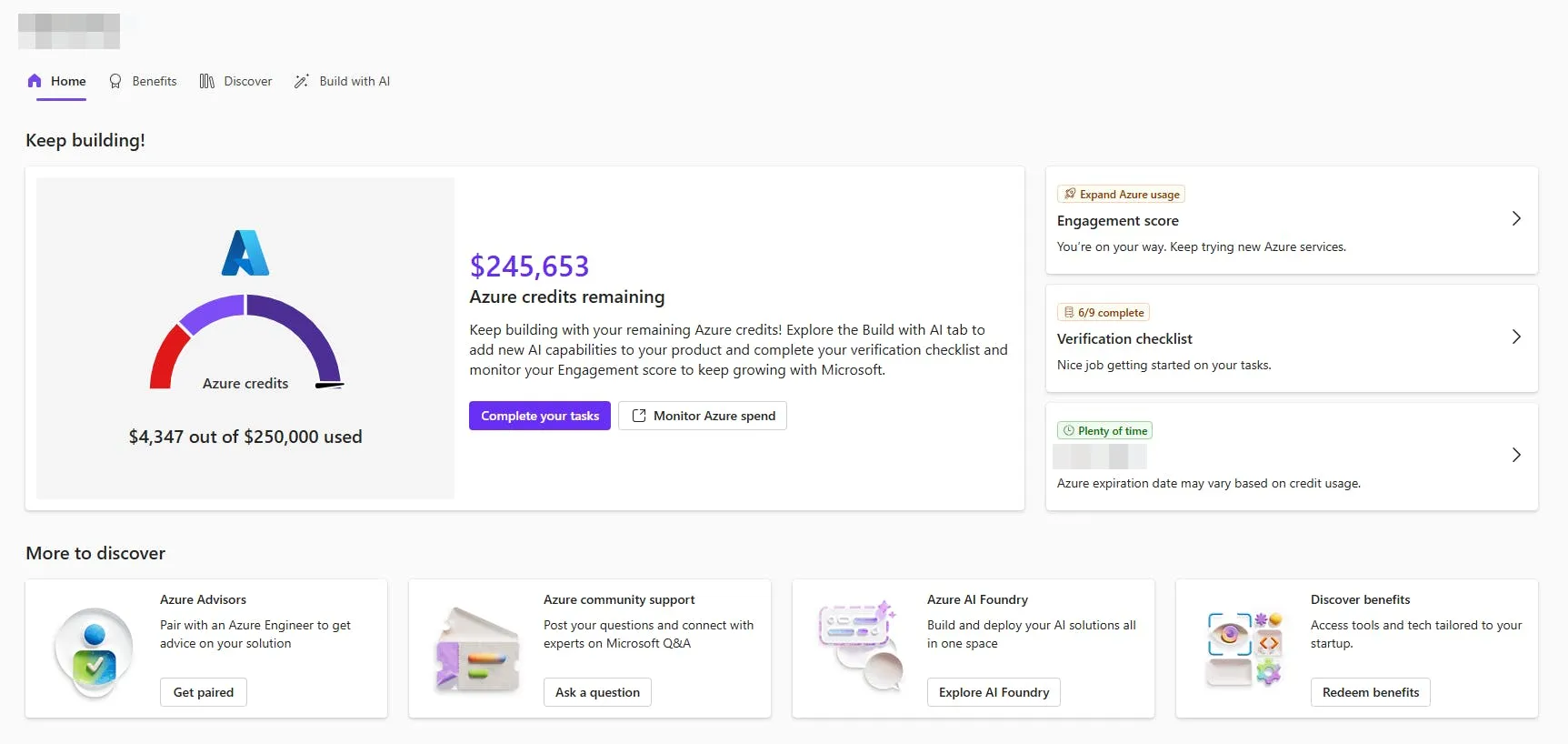
* Azure for Startups program gives credits and support for early-stage companies. ([DevCom][3])
**Considerations**:
* The ecosystem is broad but sometimes thought of as more aligned to Microsoft technologies (though that is less of a limitation now).
* As with any large provider, complexity and cost-monitoring remain key.
### 3. Google Cloud Platform (GCP)




**Why it works well for startups / SaaS**:
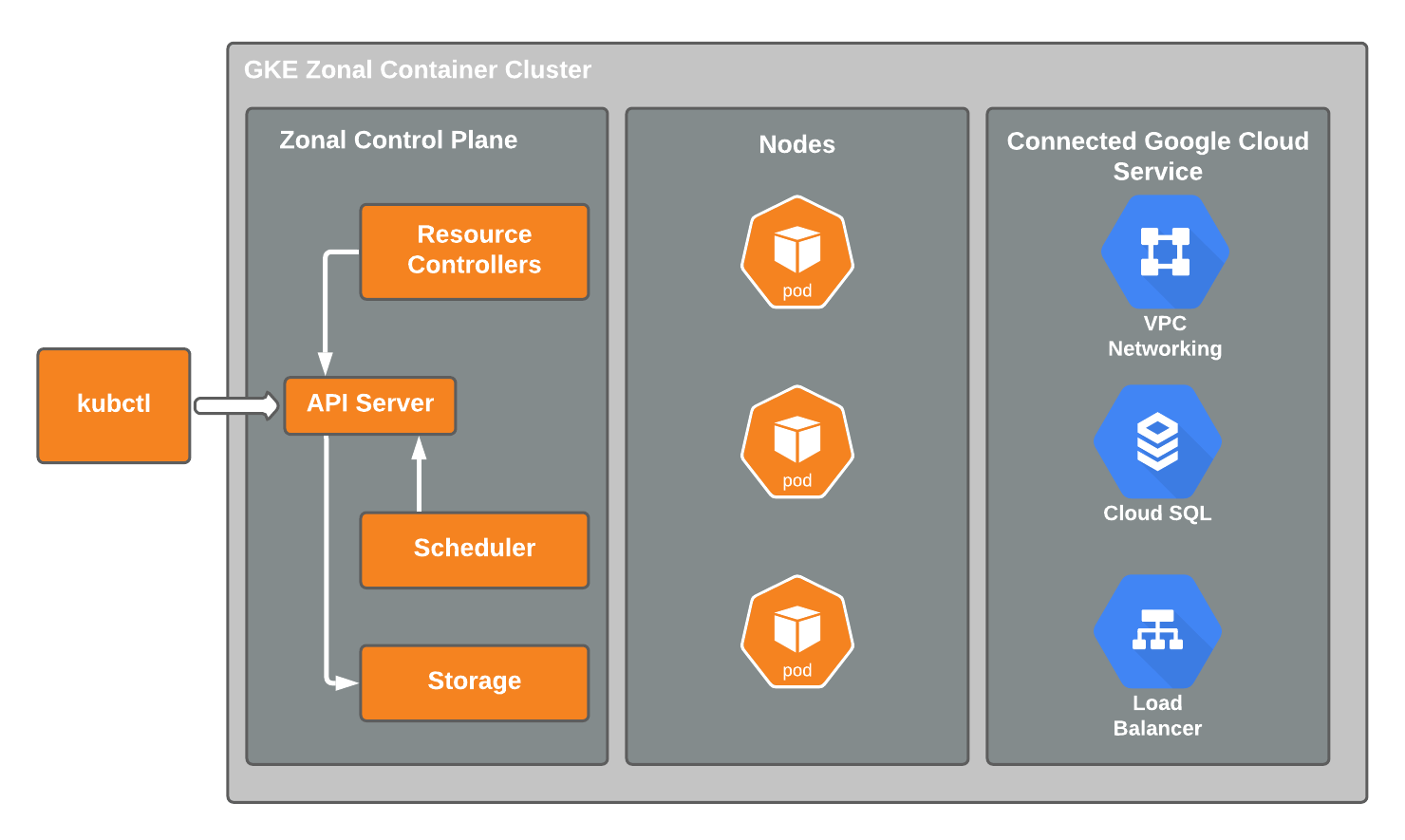
* Developer‐friendly tooling, strong in containers/Kubernetes (e.g., GKE). ([microtica.com][5])
* Startup program: “Google for Startups Cloud Program” offers substantial credit/support for early-stage companies. ([Google Cloud][6])
* Good for SaaS that incorporate data/analytics/AI from the start (since GCP has strengths there).
**Considerations**:
* Slightly smaller market share (so fewer legacy references) compared to AWS/Azure; but that is less of an issue for many startups. ([cloudvisor.co][7])
* As you scale, you’ll want to ensure you pick the services and region architecture with cost/performance in mind.
---
## 🧩 Other Alternatives & Niche Providers
Beyond those three major cloud providers, other platforms may also be worth considering depending on your SaaS needs:
* DigitalOcean: Simpler, more cost-transparent cloud hosting, good for early-stage and smaller SaaS. ([microtica.com][5])
* IBM Cloud: Some strong capabilities in hybrid cloud, data/analytics; can be good if you have specific enterprise/regulatory needs. ([zeet.co][8])
* Others: Many providers exist globally (Alibaba Cloud, Vultr, etc) which might be of interest especially for local/regional hosting or cost optimisation. ([allcode.com][9])
But for general SaaS startups with ambitions to scale, the “big three” (AWS, Azure, GCP) tend to cover most needs.
---
## 🎯 My Recommendation for Your SaaS Startup
Since you mentioned you’re a SaaS startup (or planning one), here’s how I’d pick based on your stage:
* If you’re **very early**, MVP phase, lean budget: Consider DigitalOcean (or one of the simpler providers) for minimal overhead, or choose among AWS/GCP/Azure and take advantage of their startup credit programs.
* As you begin to **scale**, aim for a provider which offers global reach, managed services, ability to add features like analytics, machine learning, etc. That likely points to AWS/Azure/GCP.
* If you expect strong enterprise customers / regulated industries: Azure might be particularly strong in enterprise compliance; AWS has very broad service suite; GCP is strong for data/analytics.
* Make sure you build with cost-control in mind: engineer usage monitoring, cost alarms, efficient architecture from the start (e.g., serverless or containers where appropriate, auto-scaling).
* Don’t get locked in too early: architect for flexibility (e.g., avoid proprietary services if you might want to multi-cloud or move later).
* Leverage startup programs: Do apply for credits, mentorship, partner networks from whichever provider you pick (or multiple).
---
If you like, I can pull together a **detailed comparison table** (with pricing, startup credits, region support, major pros/cons) of, say, the top 5-6 cloud providers for SaaS startups — would that be helpful?
[1]: https://www.reddit.com/r/startups/comments/l08zby/what_do_you_look_for_when_choosing_a_cloud/?utm_source=chatgpt.com "What do you look for when choosing a cloud provider for your startup?"
[2]: https://www.cloudzero.com/blog/cloud-service-providers/?utm_source=chatgpt.com "21+ Top Cloud Service Providers Globally In 2025 - CloudZero"
[3]: https://devcom.com/tech-blog/top-3-cloud-hosting-solutions-for-startups/?utm_source=chatgpt.com "3 Best Free Cloud Hosting Services For Startups - DevCom"
[4]: https://www.datamation.com/cloud/cloud-service-providers/?utm_source=chatgpt.com "15 Top Cloud Computing Companies: Get Cloud Service In 2024"
[5]: https://www.microtica.com/blog/cloud-hosting-for-startups?utm_source=chatgpt.com "Top 10 Cloud Hosting for Startups - Microtica"
[6]: https://cloud.google.com/startup?utm_source=chatgpt.com "Startups | Google Cloud"
[7]: https://cloudvisor.co/blog/what-cloud-solution-is-best-for-your-startup/?utm_source=chatgpt.com "What Cloud Solution Is Best for Your Startup? - Cloudvisor"
[8]: https://zeet.co/blog/best-cloud-for-startup?utm_source=chatgpt.com "15 Best Cloud for Startups In 2024 - Zeet.co"
[9]: https://allcode.com/cloud-providers/?utm_source=chatgpt.com "Top Cloud Service Providers - Best Options - AllCode"
Brands Mentioned
1
Amazon Web Services
2
Azure
3
Google Cloud Platform
4
Digital Ocean
5
Ibm Cloud
6
Alibaba Cloud
7
Vultr