Answer Details
User
User 222
Model
ChatGPT5
Created At
Result
If you’re choosing a cloud provider for a SaaS startup, here are **five of the most-highly-recommended options**, with pros & cons tailored for startups, especially SaaS models.
---
## 1. Amazon Web Services (AWS)


**Why it stands out:**
* Largest market share among cloud providers. ([CloudZero][1])
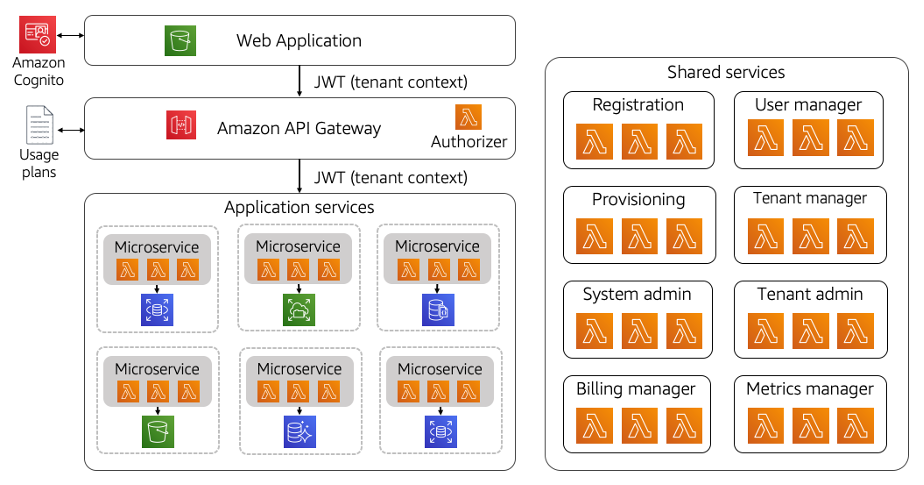
* Extremely broad service catalogue: compute, storage, serverless, data/analytics, containers, etc.
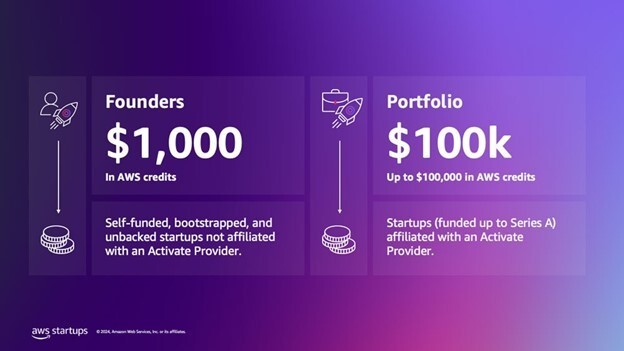
* Rich startup/credits programmes: helps early-stage companies get going.
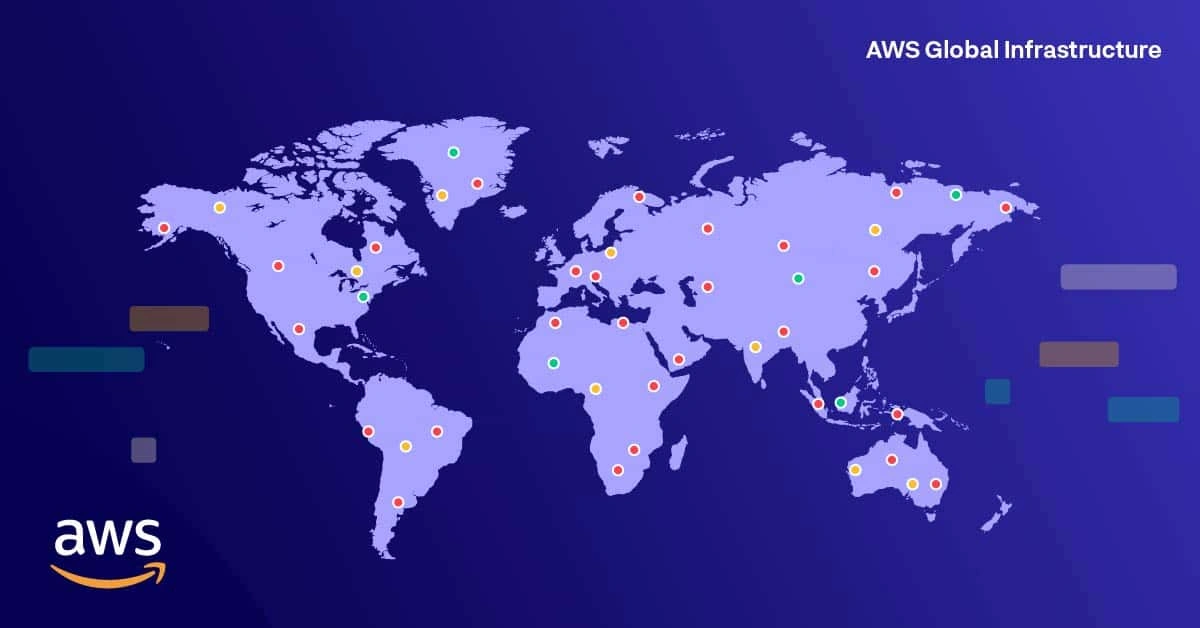
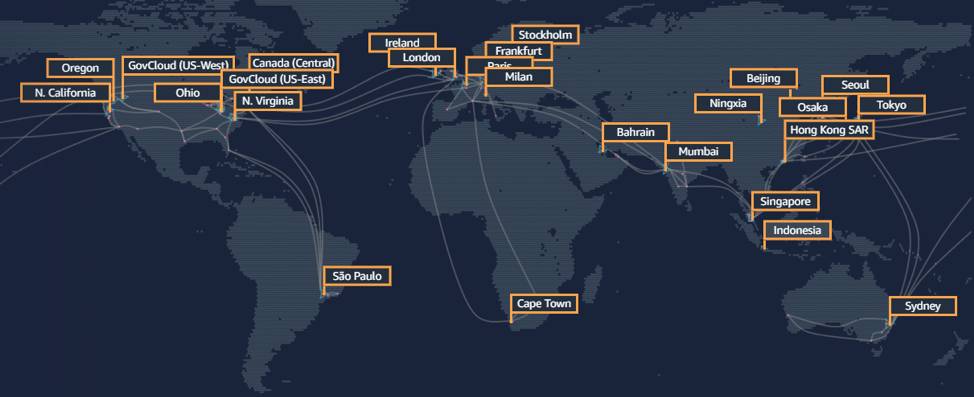
* Excellent global infrastructure and maturity for scale.
**Considerations / trade-offs:**
* With great breadth comes complexity: many services + lots of configuration means steeper learning curve.
* Cost control becomes important: it’s easy for usage to creep up if not monitored. (Some startup forums point out worries about hidden costs.) ([Reddit][2])
* For very early, lean MVPs, simpler providers may be easier.
**Best fit for:**
Startups expecting to scale quickly, needing global reach, heavy data/analytics/containers, or anticipating complex SaaS platform needs.
---
## 2. Google Cloud Platform (GCP)


**Why it stands out:**
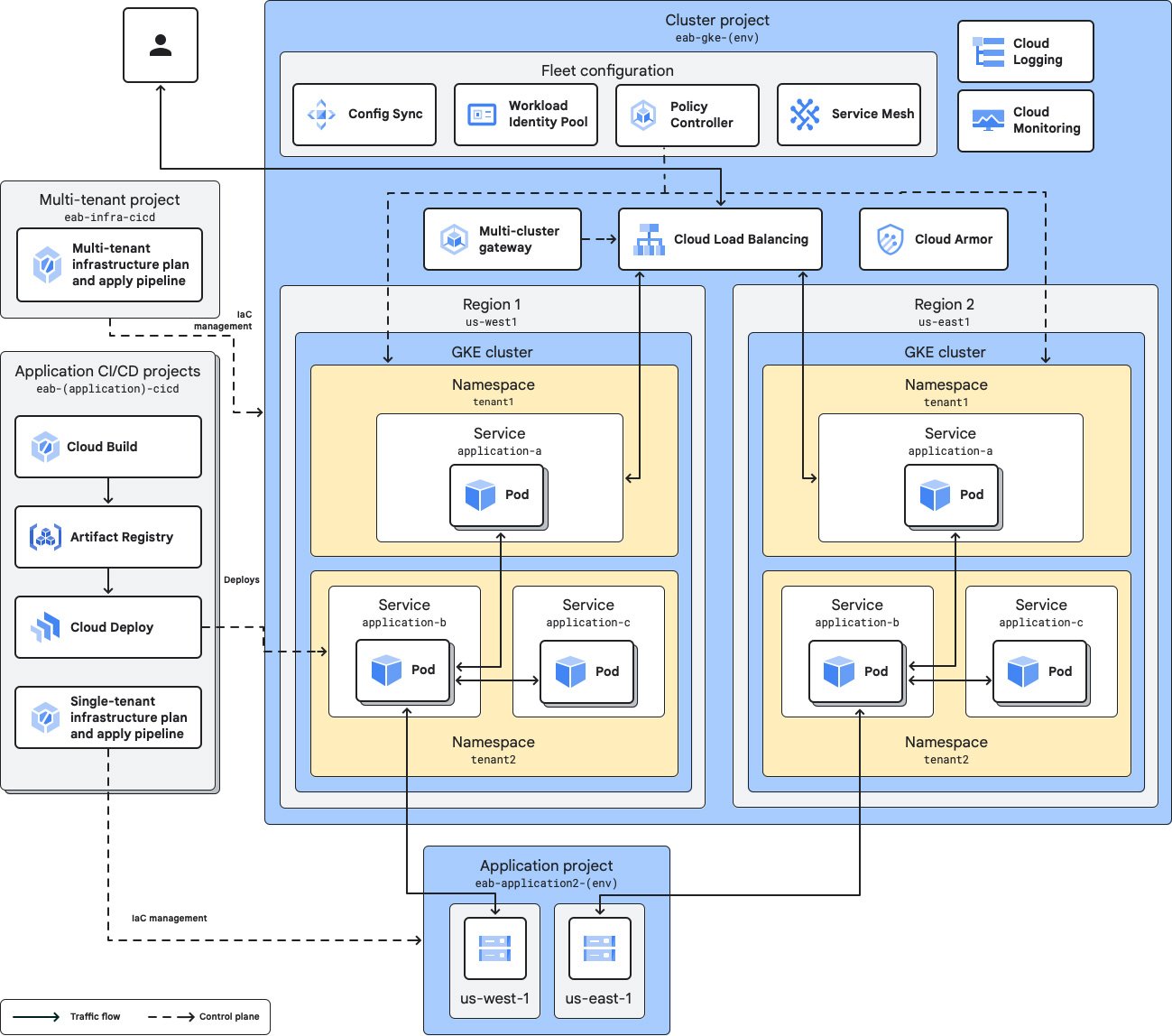
* Strong for developer-friendly tooling (e.g., Kubernetes / containers). ([zeet.co][3])
* Good startup programmes: e.g., credits via “Google for Startups Cloud Program”. ([Google Cloud][4])
* Excellent analytics / big-data / machine-learning infrastructure – good if your SaaS has heavy data/ML components.
**Considerations / trade-offs:**
* Slightly smaller market share / ecosystem compared to AWS, so sometimes fewer 3rd-party integrations (though rapidly improving). ([cloudvisor.co][5])
* If you already use Microsoft/Windows-centric stack, the “fit” might not be quite as tight as Azure (see next).
**Best fit for:**
SaaS startups where analytics / ML / scalable container orchestration is key, and where you want strong developer ergonomics.
---
## 3. Microsoft Azure


**Why it stands out:**
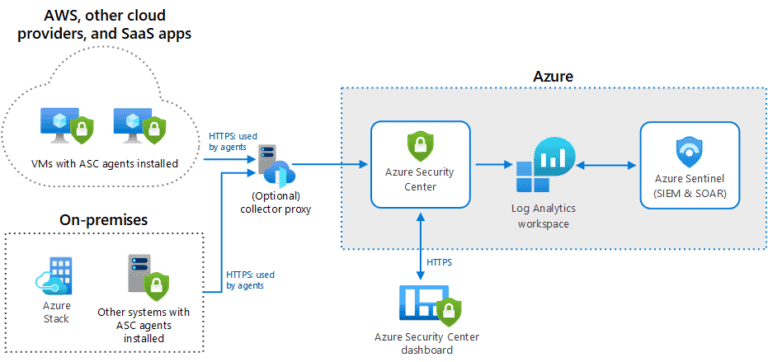
* Excellent enterprise-grade platform, especially if you’re doing hybrid cloud or integrating with Microsoft ecosystem (Windows, . NET, Office365 etc). ([Datamation][6])
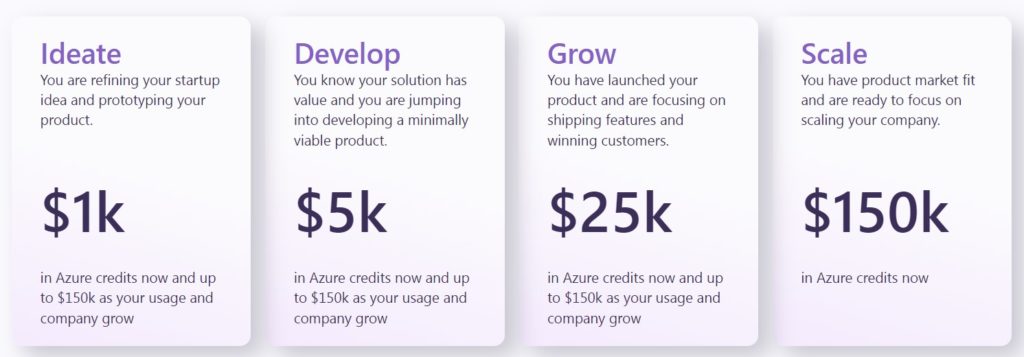
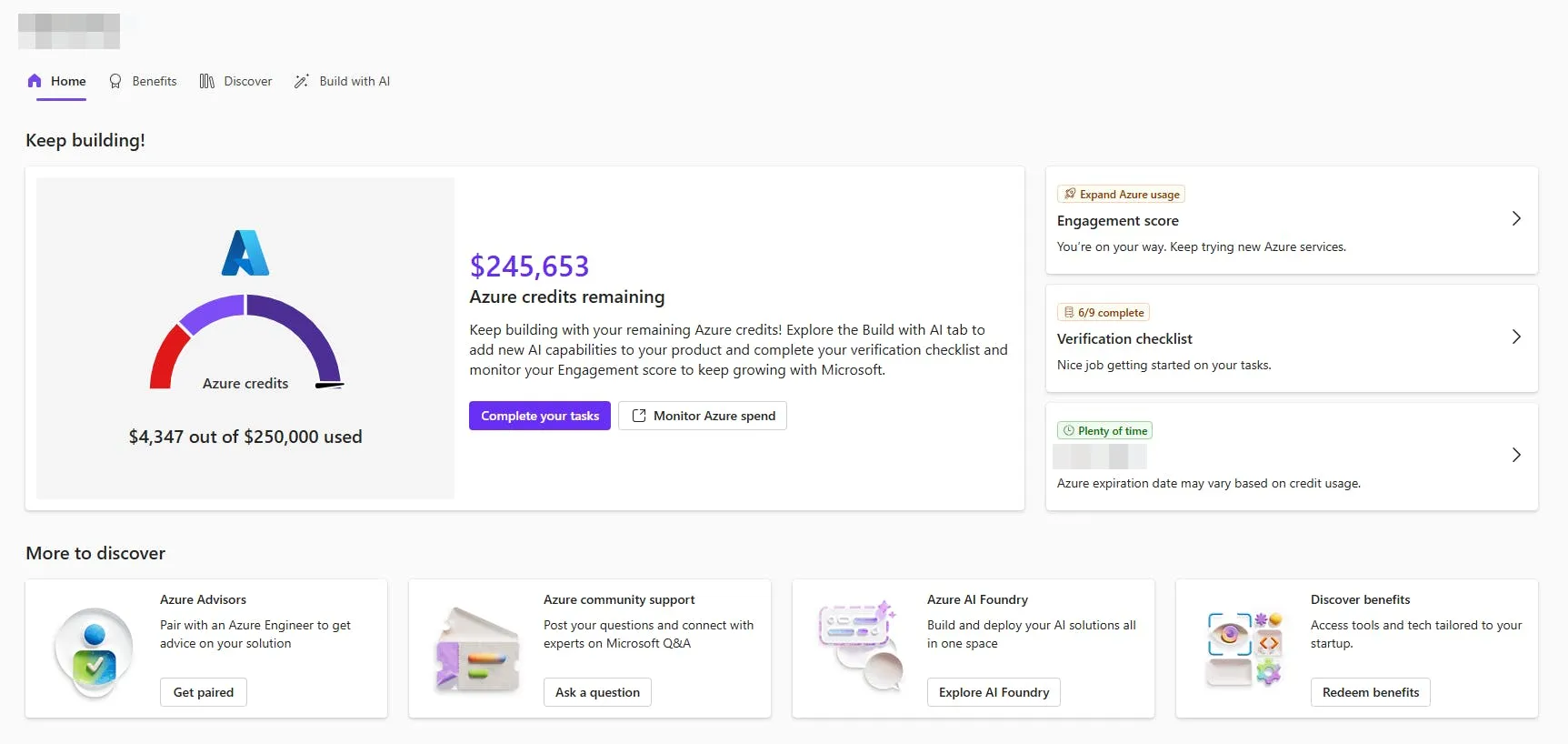
* Strong startup support and credits for new companies. ([DevCom][7])
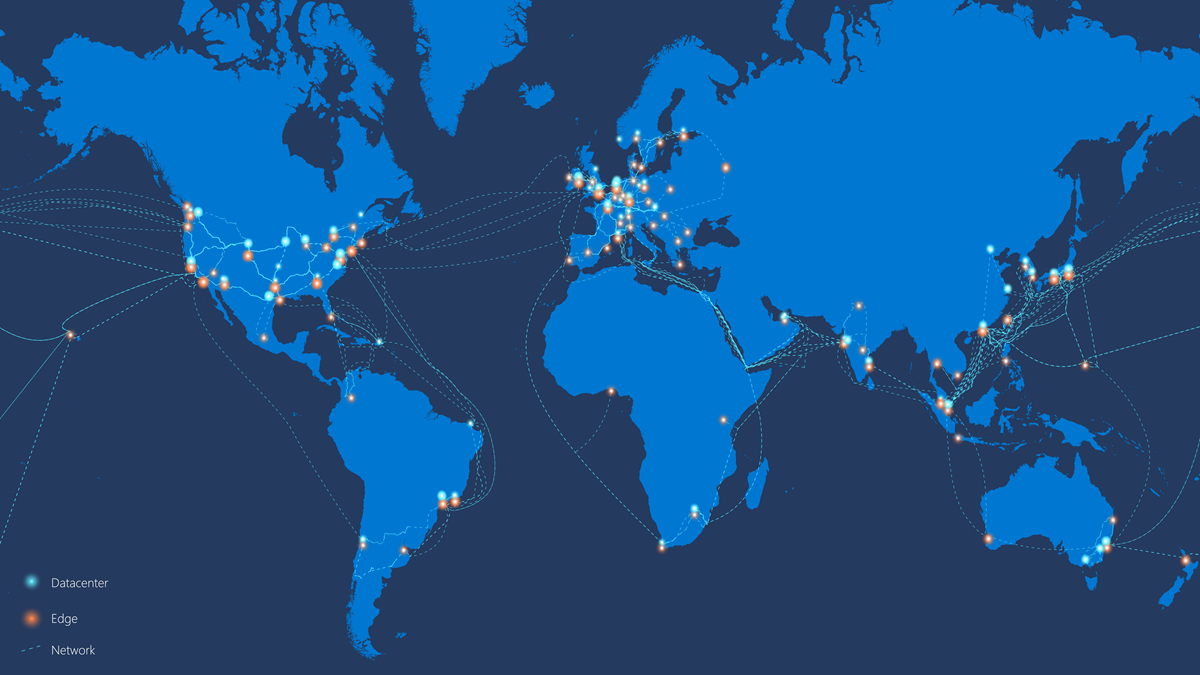
* Good global presence + compliance/security certifications.
**Considerations / trade-offs:**
* For very developer-centric cloud-native startups, some feel the tooling is slightly less “modern” than AWS/GCP (though this gap is narrowing).
* Like AWS, cost controls and architecture discipline are needed.
**Best fit for:**
Startups whose stack aligns with Microsoft technologies, or those that anticipate enterprise-customers (who may expect Azure support or hybrid capabilities).
---
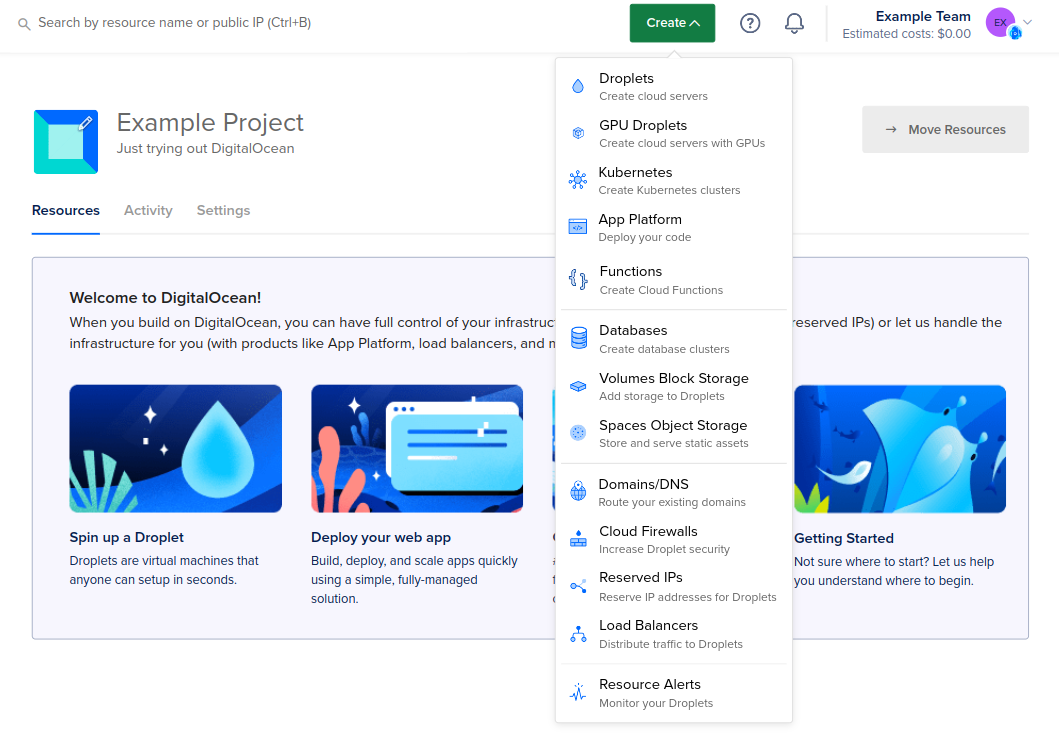
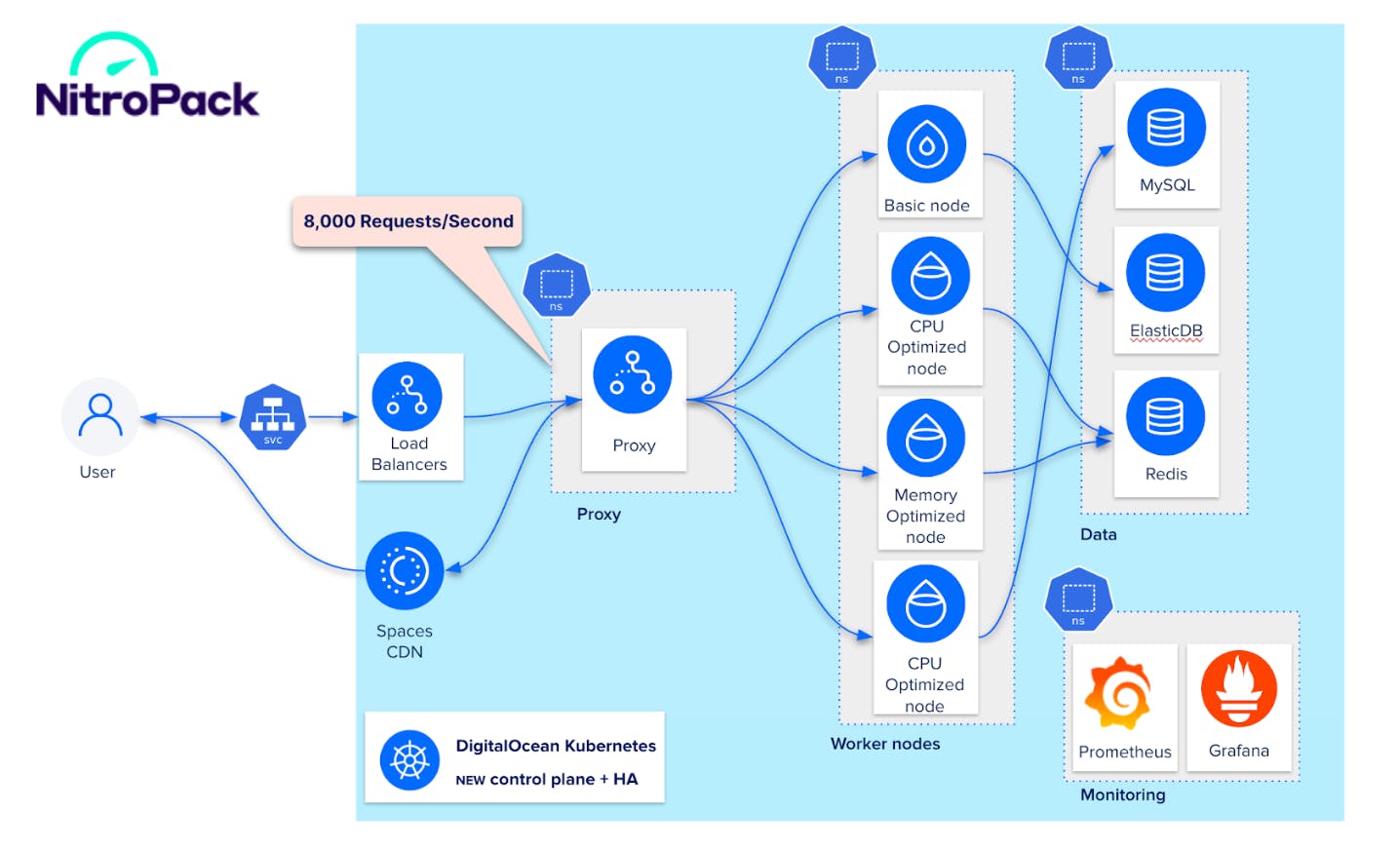
## 4. DigitalOcean



**Why it stands out:**
* Simpler, developer-friendly interface; easier to spin up infrastructure. ([zeet.co][3])
* Predictable and transparent pricing — attractive for early stage where you’re conscious of costs. ([DigitalOcean][8])
* Good choice for lean SaaS MVPs.
**Considerations / trade-offs:**
* Less “enterprise-grade” in terms of breadth of managed services compared to AWS/GCP/Azure.
* If you scale massively or need highly specialized services (global edge, huge data/AI workloads), you may need to migrate or supplement with a bigger provider.
**Best fit for:**
Early-stage or lean SaaS startups that want to move fast, keep costs manageable, build a simpler stack, and perhaps iterate quickly.
---
## 5. Vultr (and other niche/cloud-alternative providers)


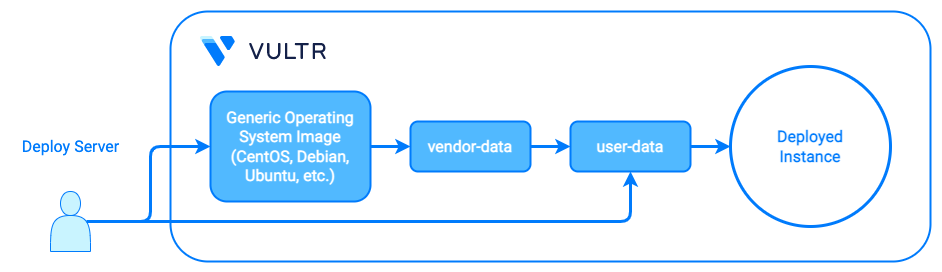


**Why it stands out:**
* Emerging providers like Vultr are offering very cost-effective, simpler clouds. ([microtica.com][9])
* Good for specific use-cases where you don’t require full enterprise features, or you want to optimize costs tightly.
**Considerations / trade-trade-off:**
* Might lack the depth of ecosystem, managed services, global reach, or startup support (credits, accelerators) of the major players.
* If you later scale or need advanced services (AI/ML, global edge, etc), you might hit limits sooner.
**Best fit for:**
Very lean startup builds, proof-of-concepts, MVPs, or SaaS features that are simple and cost-sensitive — with the plan to possibly migrate or expand later.
---
## Key decision factors & questions you should ask
When you’re in your role (you’re managing SaaS-oriented infrastructure), you’ll want to evaluate providers on these dimensions:
* **Startup/credit programmes**: What credits or free-tiers does the provider offer?
* **Cost predictability & control**: Are billing models transparent? Is there good tooling for monitoring/spend alerts?
* **Service breadth & ecosystem fit**: Do you need advanced services (containers, functions, AI/ML, data-warehouse, global edge)?
* **Ease of use, ramp-up cost**: How fast can you deploy? How steep is the learning curve for your dev/ops team?
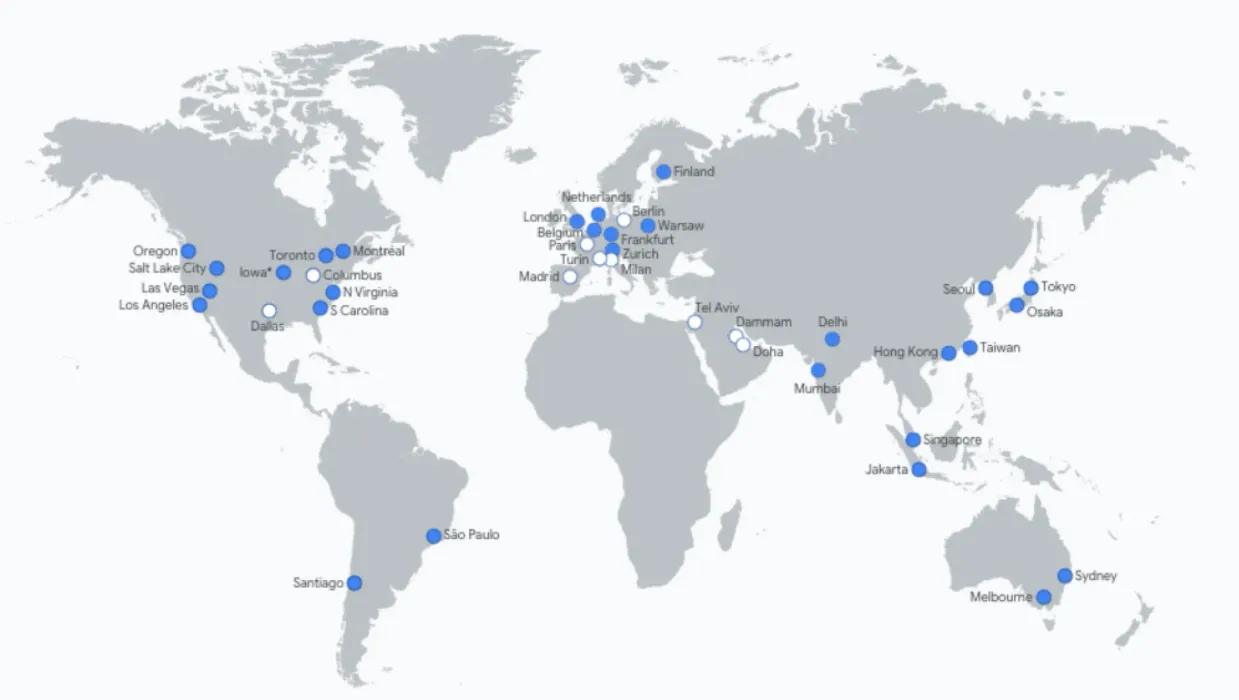
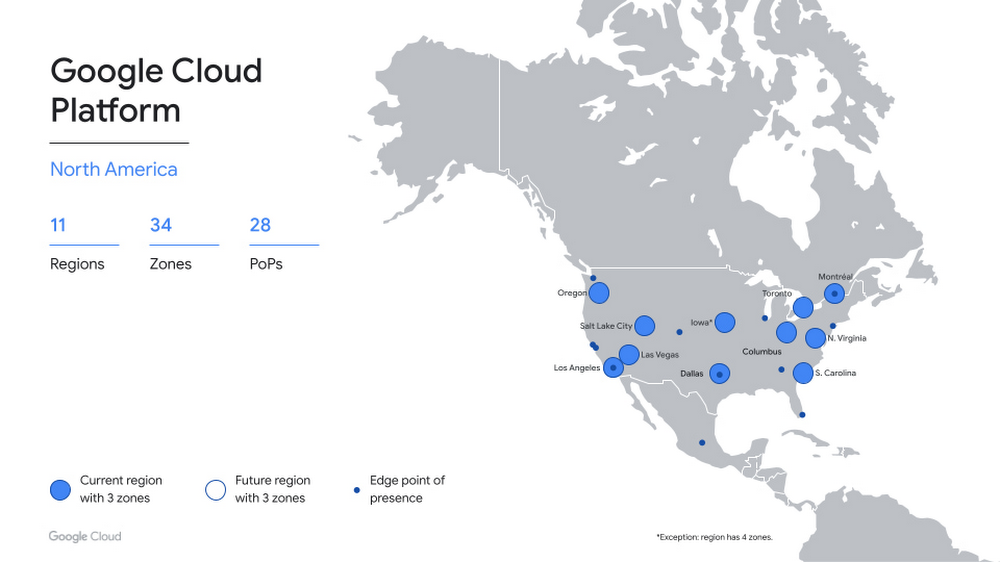
* **Scalability and global reach**: If you expand globally or expect high volume, does the provider support regions/availability zones accordingly?
* **Integration with your stack**: What languages/frameworks/operating systems do you use? Do you align with Microsoft, Google, AWS, or something else?
* **Vendor lock-in vs portability**: If you choose a provider, how easily can you migrate or multi-cloud? Some monitoring the community suggest less mature providers make migration easier but at cost of features. ([Reddit][10])
* **Support & compliance**: If you’re dealing with regulated customers or enterprise-clients, what does the provider offer in terms of SLA, compliance, certifications, security?
* **Future-proofing for your SaaS model**: If you anticipate adding advanced capabilities (AI, analytics, global scale), pick a provider that can support you not just now but later.
---
## My recommendation for your scenario
Given that you are working in a high-tech company, managing IT and likely supporting SaaS-type solutions (you mentioned your company is building AI-related reputation tracking), the following approach might make sense:
1. **Start with a major provider** (AWS, GCP or Azure) so you have the flexibility to scale, access advanced services, and benefit from startup/credits programmes.
2. **Optimize your architecture for cost and scalability**: Design your SaaS so you can use serverless, containers, auto-scaling, etc. Use tagging and monitoring from the get-go.
3. **Keep the possibility of hybrid or multi-cloud in mind**: For example, you might use your main workloads on a major provider, and maybe use DigitalOcean or Vultr for less critical components (or backup/disaster recovery) if cost becomes a constraint.
4. **Use startup credits & programmes aggressively**, especially for early-stage development, proof of concepts, scaling tests.
5. **Design for portability**: While picking a provider, avoid heavy proprietary lock-in unless you are sure you’ll stay long-term; use containerization, standard APIs, abstracted services where possible.
---
If you like, I can **pull together a comparative table** of ~8-10 cloud providers (including niche ones) specifically for SaaS startups — with startup credits, pros/cons, cost points, global reach, ecosystem features — customised for your region (Israel / EMEA) and SaaS use-case. Would that be useful for you?
[1]: https://www.cloudzero.com/blog/cloud-service-providers/?utm_source=chatgpt.com "21+ Top Cloud Service Providers Globally In 2025 - CloudZero"
[2]: https://www.reddit.com/r/startups/comments/l08zby/what_do_you_look_for_when_choosing_a_cloud/?utm_source=chatgpt.com "What do you look for when choosing a cloud provider for your startup?"
[3]: https://zeet.co/blog/best-cloud-for-startup?utm_source=chatgpt.com "15 Best Cloud for Startups In 2024 - Zeet.co"
[4]: https://cloud.google.com/startup?utm_source=chatgpt.com "Startups | Google Cloud"
[5]: https://cloudvisor.co/blog/what-cloud-solution-is-best-for-your-startup/?utm_source=chatgpt.com "What Cloud Solution Is Best for Your Startup? - Cloudvisor"
[6]: https://www.datamation.com/cloud/cloud-service-providers/?utm_source=chatgpt.com "15 Top Cloud Computing Companies: Get Cloud Service In 2024"
[7]: https://devcom.com/tech-blog/top-3-cloud-hosting-solutions-for-startups/?utm_source=chatgpt.com "3 Best Free Cloud Hosting Services For Startups - DevCom"
[8]: https://www.digitalocean.com/solutions/saas?utm_source=chatgpt.com "SaaS Hosting - DigitalOcean"
[9]: https://www.microtica.com/blog/cloud-hosting-for-startups?utm_source=chatgpt.com "Top 10 Cloud Hosting for Startups - Microtica"
[10]: https://www.reddit.com/r/startups/comments/1e68nk9/best_cloud_provider_for_hosting_my_first_saas/?utm_source=chatgpt.com "Best Cloud Provider for Hosting My First SaaS Website: AWS, Azure ..."
Brands Mentioned
1
Amazon Web Services
2
Google Cloud Platform
3
Azure
4
Digital Ocean
5
Vultr