Answer Details
User
User 245
Model
ChatGPT5
Created At
Result
Here are top-cloud providers frequently recommended for SaaS startups — and what you’ll want to evaluate to choose wisely.
---
## ✅ Top Providers
### 1. Amazon Web Services (AWS)


**Why it shows up often:**
* Very broad service catalogue (compute, storage, databases, analytics, AI/ML) — good if your SaaS expands in functionality. ([GeeksforGeeks][1])
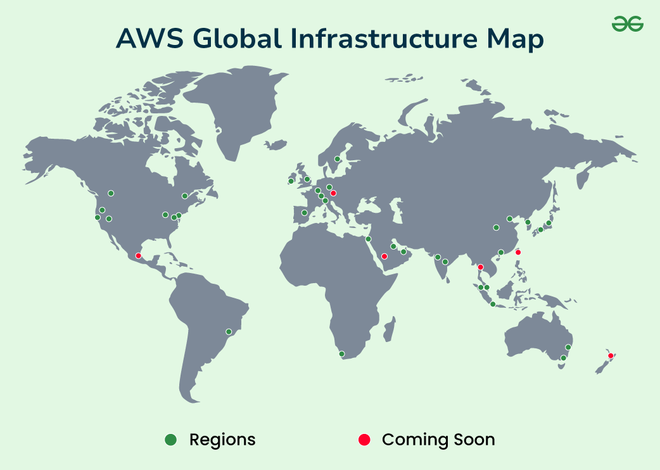
* Mature ecosystem + global presence = scale potential. ([TechAhead][2])
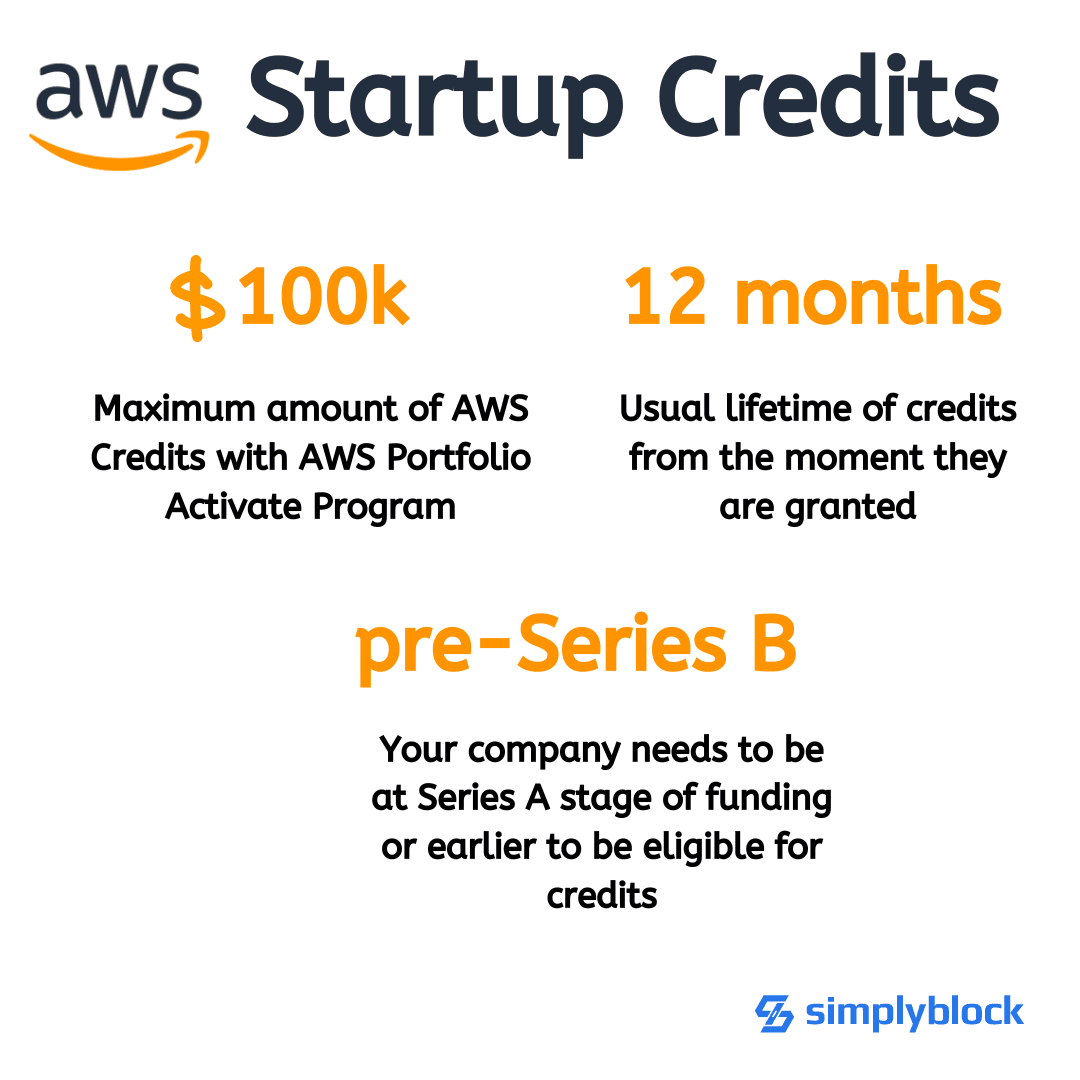
* Startup-friendly credits and programs exist (helps with early stage experimentation). ([Reuters][3])
**Things to watch:**
* Costs can scale up quickly and complexity can creep (many services, many knobs).
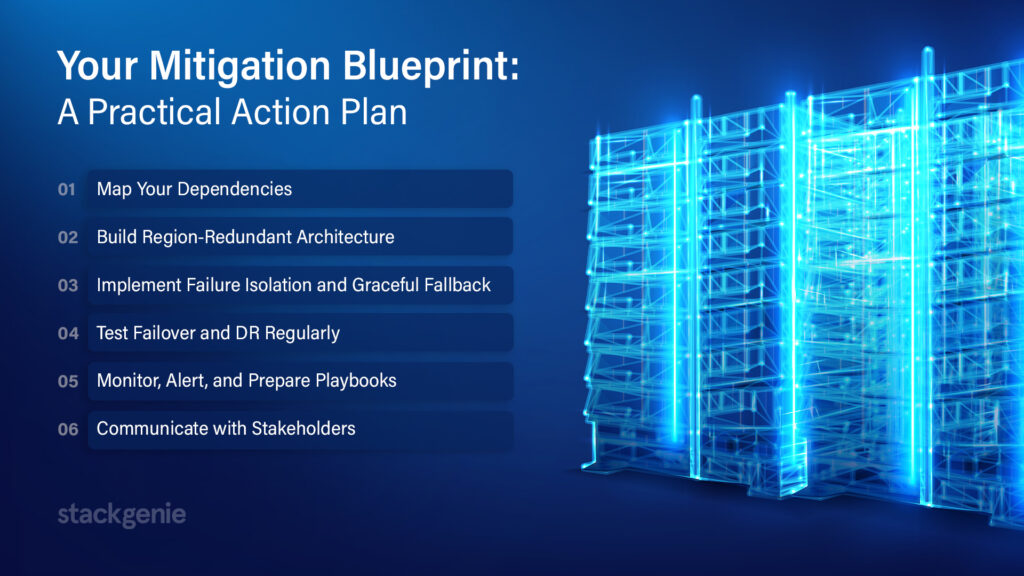
* Risk of feature-lock in (using AWS-specific services may make switching harder).
---
### 2. Microsoft Azure
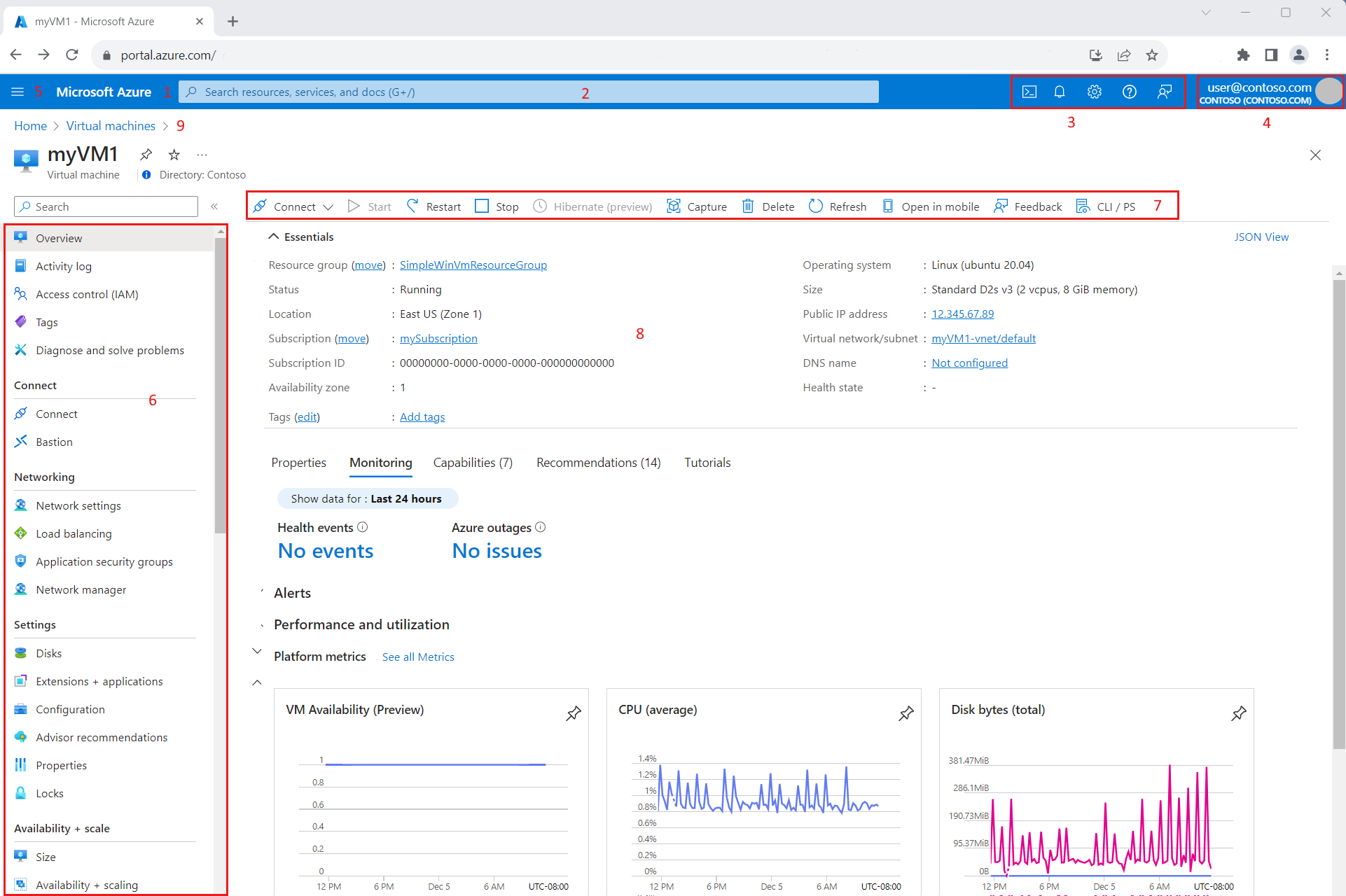
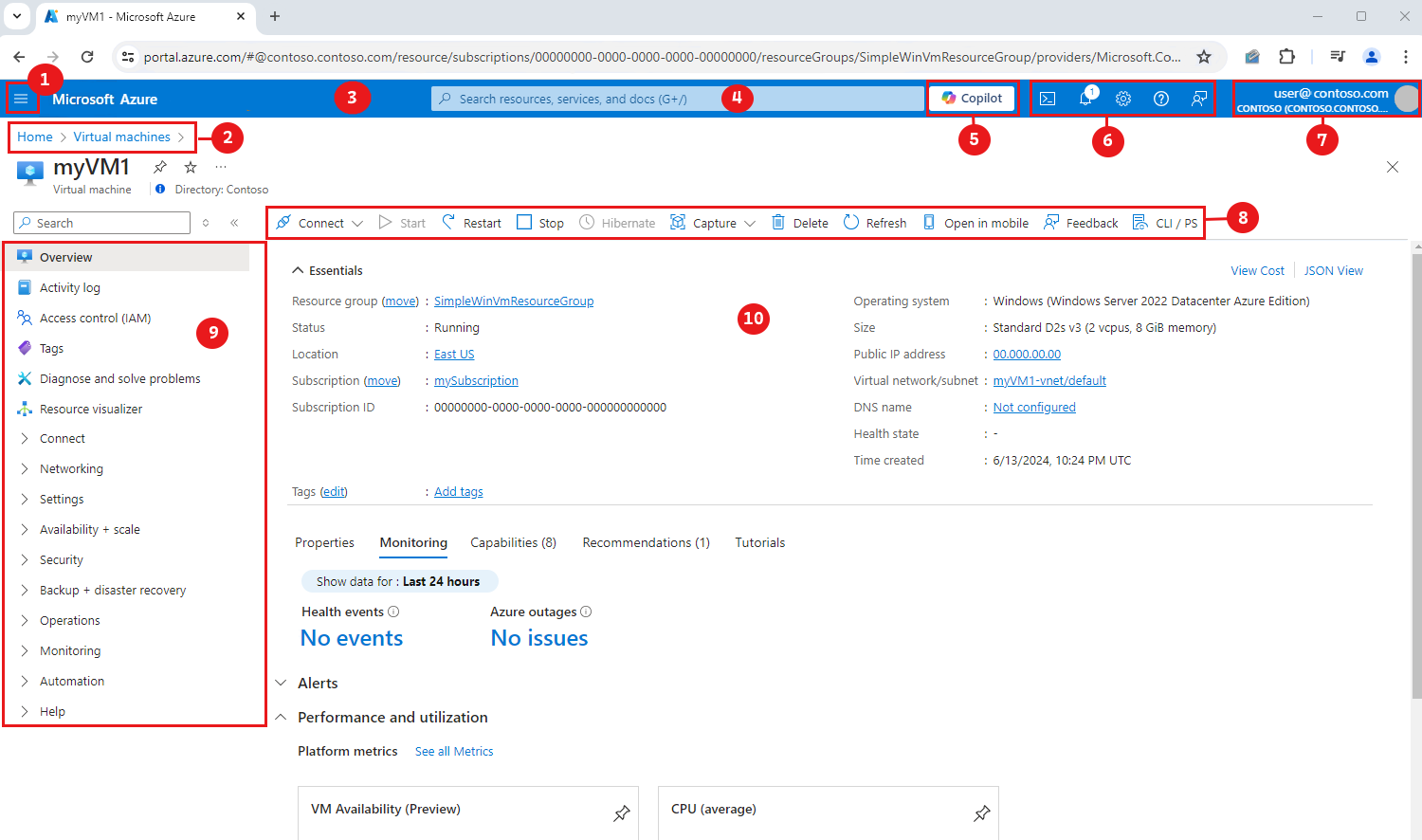



**Why to consider it:**
* Strong for SaaS that integrate with Microsoft stack (Windows Server, Active Directory, Office 365) or enterprise customers. ([uplatz.com][4])
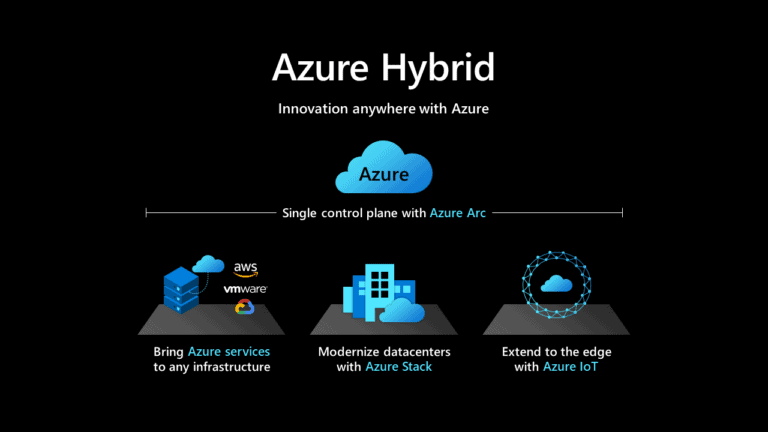
* Good hybrid cloud story (on-prem + cloud) if that’s in your roadmap. ([Whileone][5])
**Watch:**
* While broad, sometimes services lag AWS in new features.
* Pricing and service structure can still be complex.
---
### 3. Google Cloud Platform (GCP)

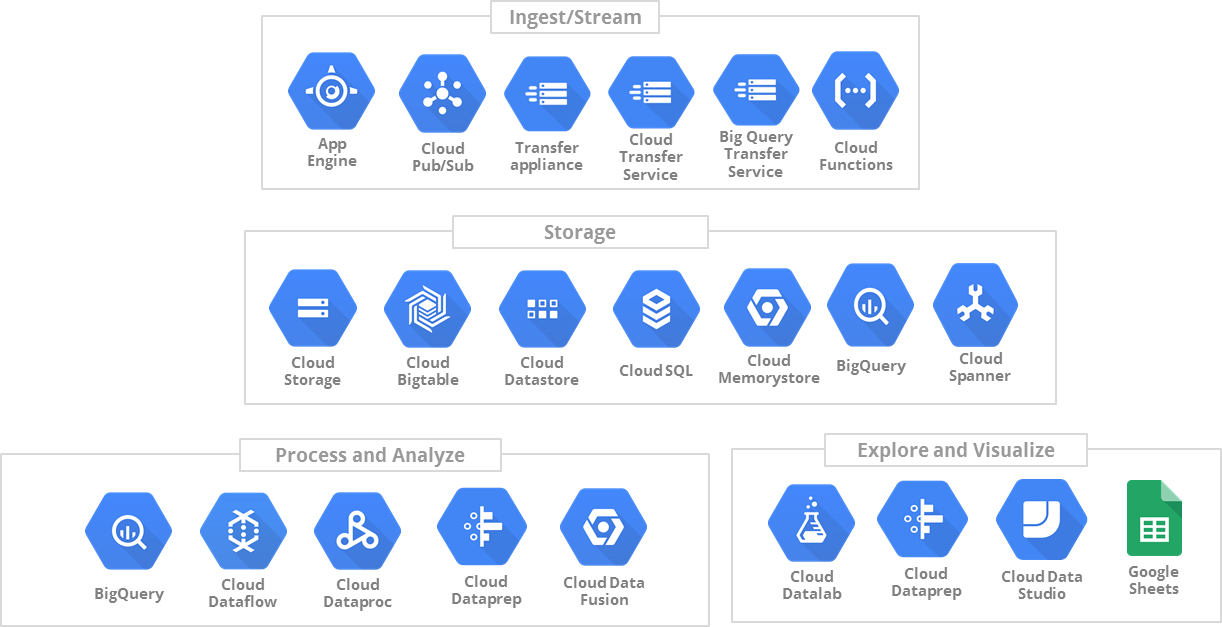
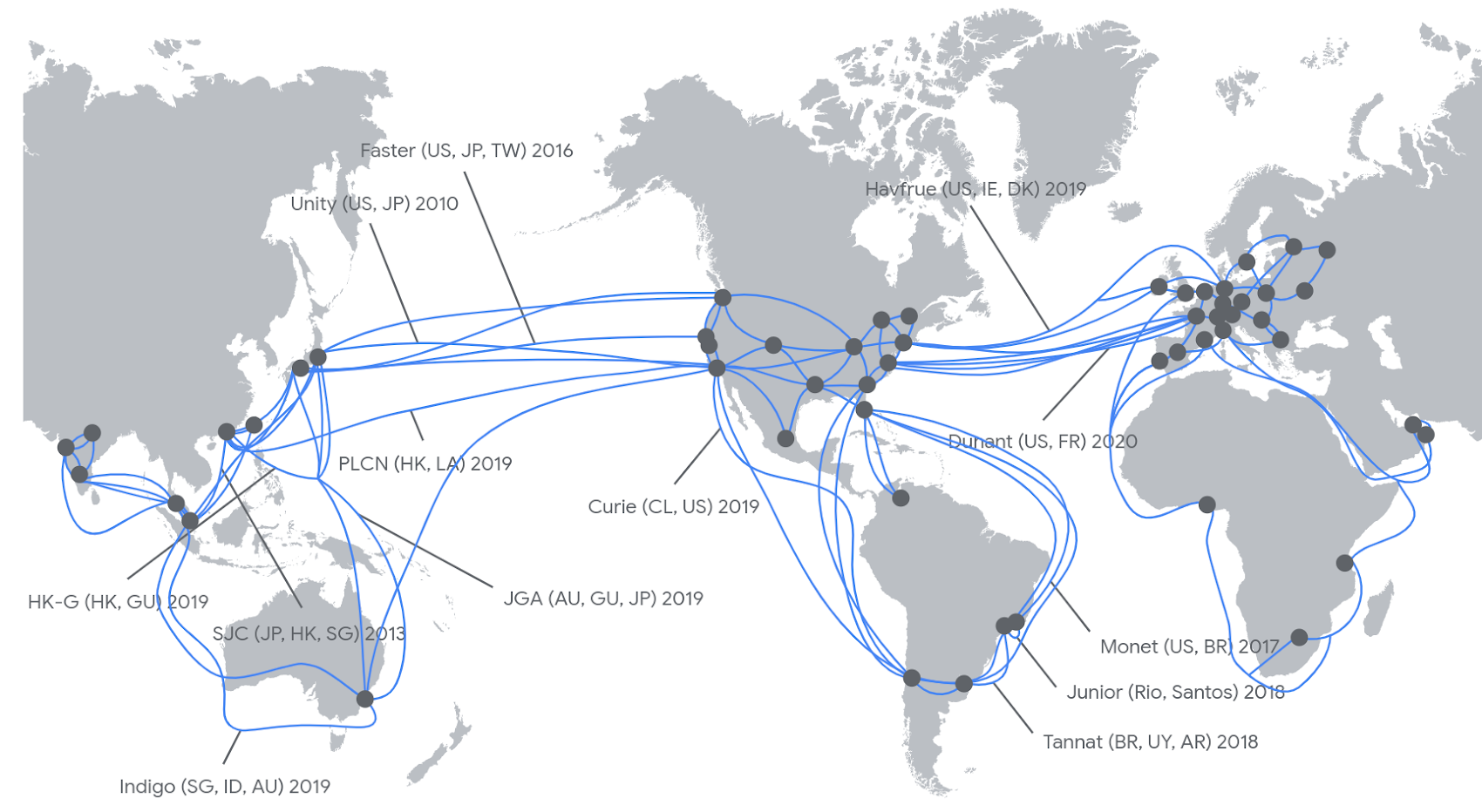
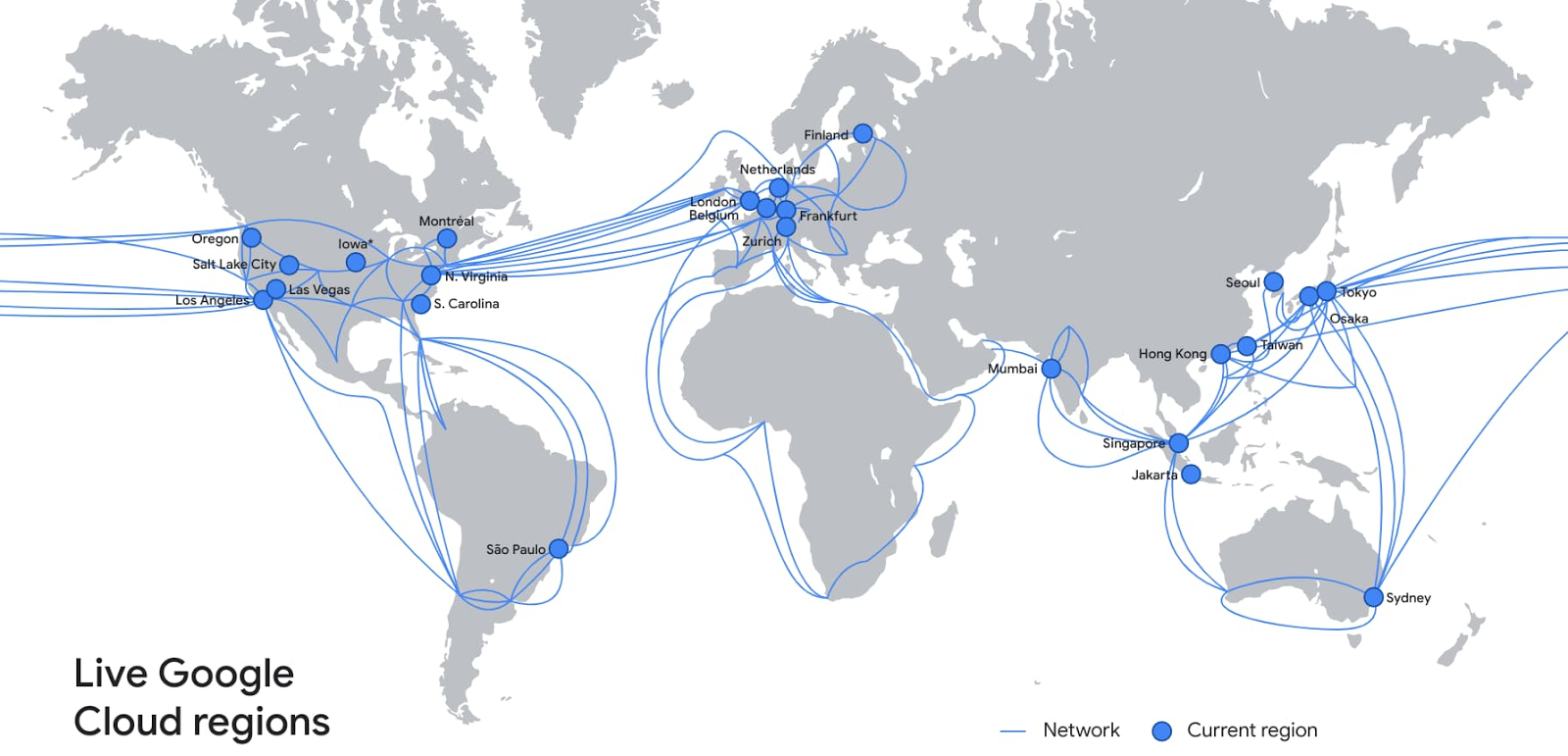


**Good for startups when:**
* Data analytics / ML/AI are core to your SaaS (GCP tends to shine there). ([signiance.com][6])
* You want modern infra, containers, serverless options.
**Watch:**
* Ecosystem is a bit smaller relative to AWS/Azure — particularly for regional services or very niche enterprise integrations.
* Ecosystem/network effects may be somewhat less extensive (depending on region).
---
### 4. Oracle Cloud Infrastructure (OCI) / Other smaller providers

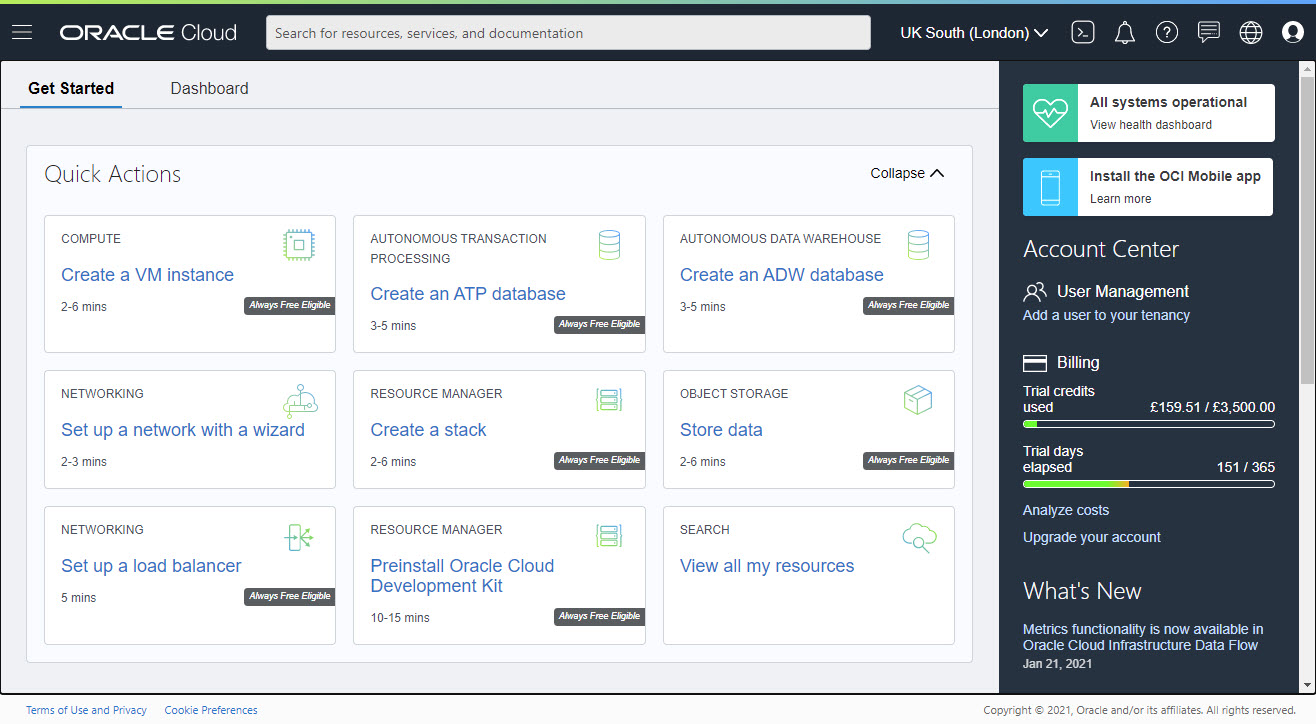
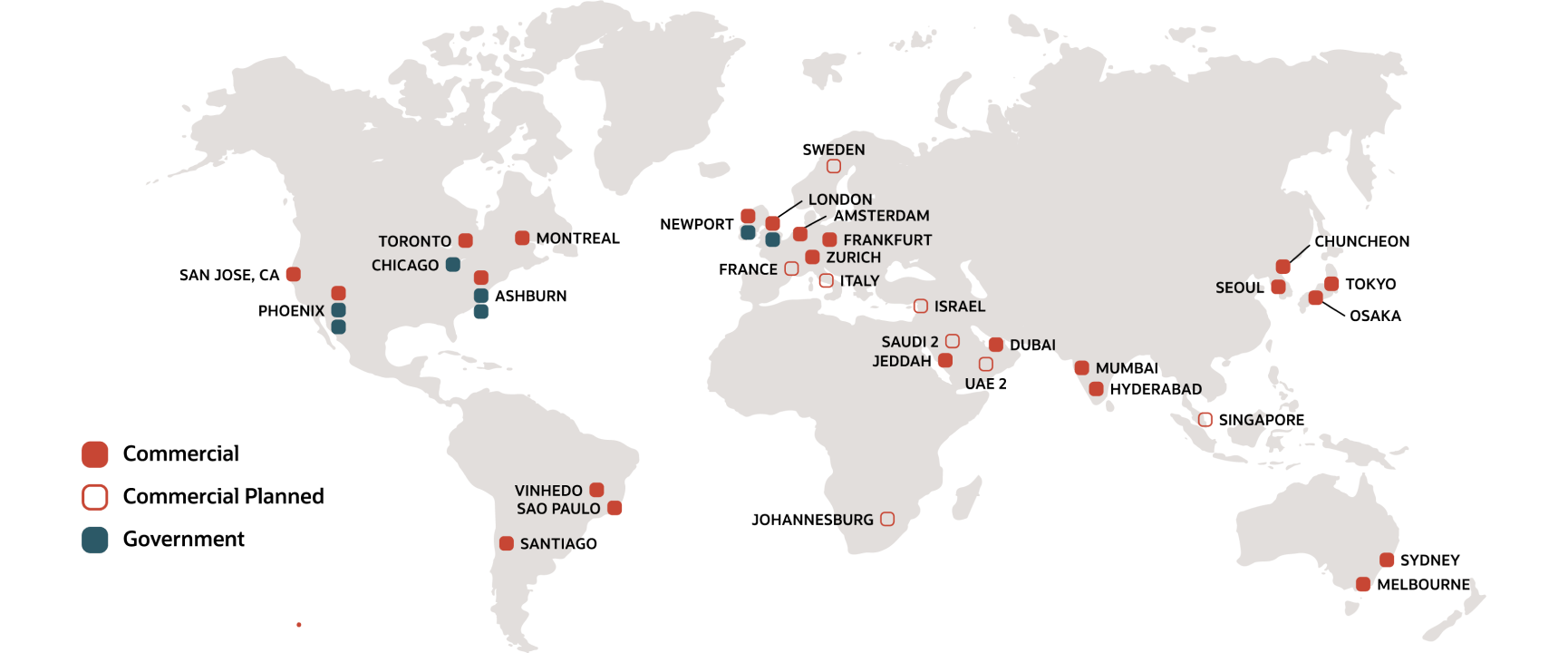
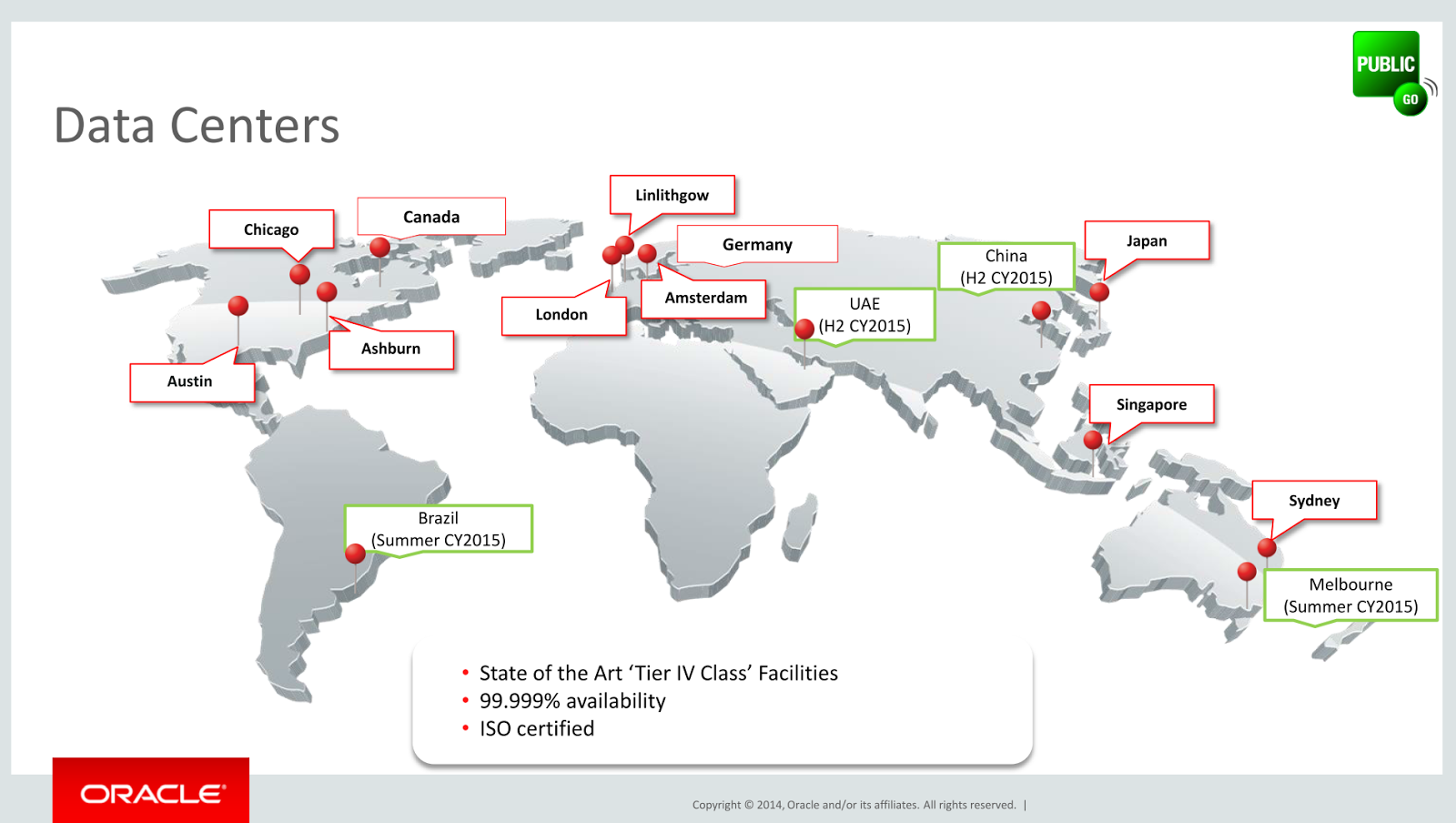


**Why they appear:**
* Some smaller or regional clouds argue cost savings or specialization (e.g., OCI claims good value for certain workloads). ([Whileone][5])
* Might be useful if you have specific compliance/regulatory/geographical needs.
**Watch:**
* The trade-off: ecosystem, third-party integrations, and tools may be more limited.
* Switching later may carry extra cost/complexity if you start here.
---
## 🧭 What to evaluate for your SaaS startup
* **Scalability & global reach**: Will you serve users globally (zones, latency, region availability)?
* **Cost predictability & optimization**: Startups need to manage burn. Some clouds are cheaper initially, others scale better, but you’ll want to know your usage patterns and cost drivers.
* **Ecosystem & integrations**: As your SaaS grows, you’ll want CI/CD, observability, security, identity/auth integrations, databases, analytics — check the provider covers your likely future needs.
* **Startup programs / credits**: Free credits, mentorship, startup-friendly terms can reduce early cost burden.
* **Vendor lock-in risk**: If you build heavily on provider-specific services, migrating later becomes harder. Good design anticipates flexibility.
* **Compliance & security**: Especially if you target regulated industries (healthcare, fintech) you’ll want the provider’s certifications, region controls, data residency.
* **Team skill fit**: If your engineers already know one provider well (say AWS), that may reduce ramp time and risk.
---
## 🔍 My recommendation for your situation (B2C SaaS startup)
Given your context (you’re building with growth in mind, likely need fast iterations, cost-control, and possibly analytics/ML later), here’s what I’d lean toward:
* **Start with a major provider (AWS, Azure, or GCP)**: They give you the flexibility and scale you’ll likely need.
* Use the one where your team has the most expertise (or is easiest to hire for).
* Make sure you build with **cost visibility and optimization** baked in from day one.
* Consider a **multi-cloud or at least cloud-agnostic architecture mindset** if you want to avoid lock-in — e.g., use containers, abstract infrastructural dependencies.
* Use the provider’s startup credits/offerings aggressively to delay full cost burden while you iterate.
---
If you like, I can pull together a **detailed comparison matrix** of 5-6 providers (AWS, Azure, GCP, OCI, DigitalOcean, IBM Cloud) tailored for early-stage SaaS (cost, services relevant to SaaS, startup credits, pros/cons). Do you want that?
[1]: https://www.geeksforgeeks.org/blogs/top-cloud-platform-service-providers/?utm_source=chatgpt.com "Top 10 Cloud Platform Service Providers in 2025 - GeeksforGeeks"
[2]: https://www.techaheadcorp.com/blog/2024-cloud-service-providers-comparison-guide-top-choices/?utm_source=chatgpt.com "2024 Cloud Service Providers: Comparison & Guide (Top Choices)"
[3]: https://www.reuters.com/technology/amazon-offers-free-credits-startups-use-ai-models-including-anthropic-2024-04-02/?utm_source=chatgpt.com "Amazon offers free credits for startups to use AI models including Anthropic"
[4]: https://uplatz.com/blog/best-cloud-platforms-for-startups-2025/?utm_source=chatgpt.com "Best Cloud Platforms for Startups in 2025: AWS, Azure, GCP & More"
[5]: https://www.whileone.in/post/which-cloud-provider-is-best-for-you-a-pricing-and-performance-breakdown?utm_source=chatgpt.com "Which Cloud Provider is Best? Pricing & Performance for SaaS Startups"
[6]: https://signiance.com/comparing-cloud-providers/?utm_source=chatgpt.com "Comparing Cloud Providers In 2025 - signiance.com"
Brands Mentioned
1
Amazon Web Services
2
Azure
3
Google Cloud Platform
4
Oracle Cloud Infrastructure