Answer Details
User
User 212
Model
ChatGPT5
Created At
Result
If you’re running a SaaS startup, choosing the right cloud provider is a strategic decision. Below are **five of the most highly recommended cloud-computing providers** for startups, together with what makes each one attractive — so you can pick one that aligns with your stack, stage, growth ambitions and budget.
---
## 1. Amazon Web Services (AWS)
**Why it’s a strong choice for SaaS startups:**
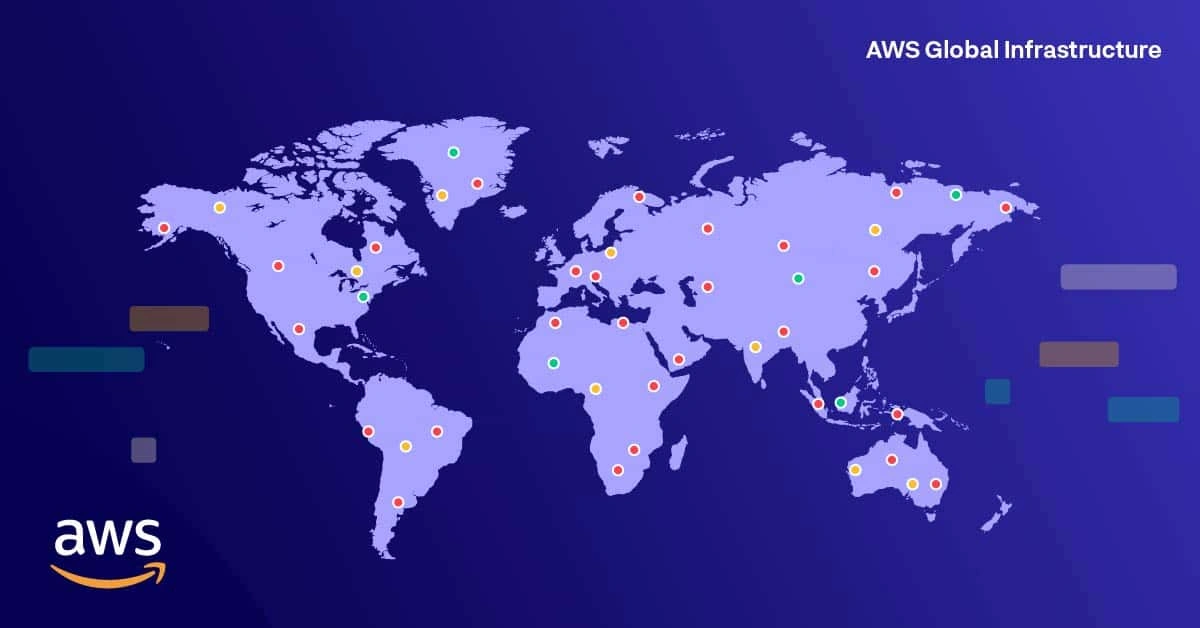
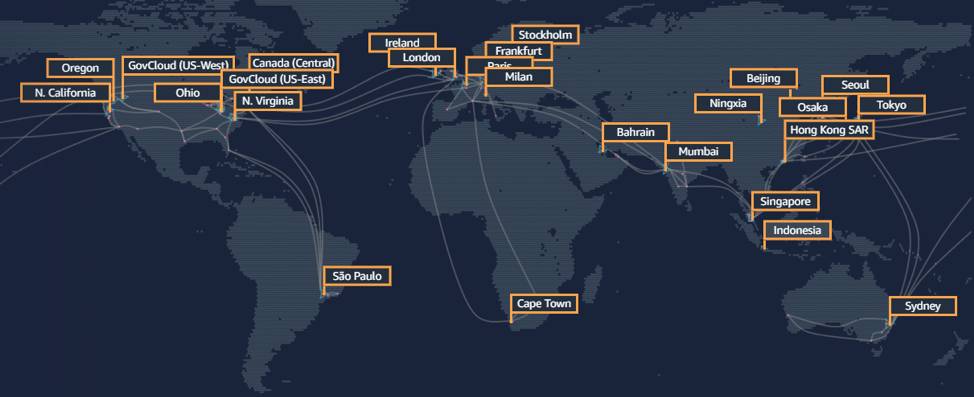
* AWS has the largest cloud ecosystem: broadest range of services (compute, storage, ML/AI, databases, analytics) and global infrastructure. ([Startup Central -][1])
* High scalability and reliability: important if you expect rapid growth or global reach. ([Startup Central -][1])
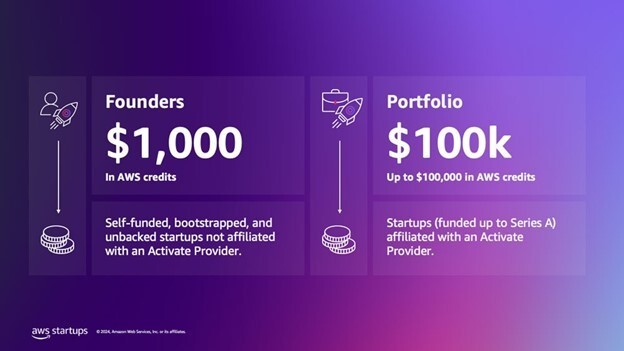
* Startup-friendly programs: the “AWS Activate” and similar programs provide credits and support for eligible startups. ([cyfuture.cloud][2])
* Mature tooling & ecosystem: many integrations, third-party services, large community.
**Things to watch / trade-offs:**
* Complexity & learning curve: With so many services and options, it can be overwhelming. ([Startup Central -][1])
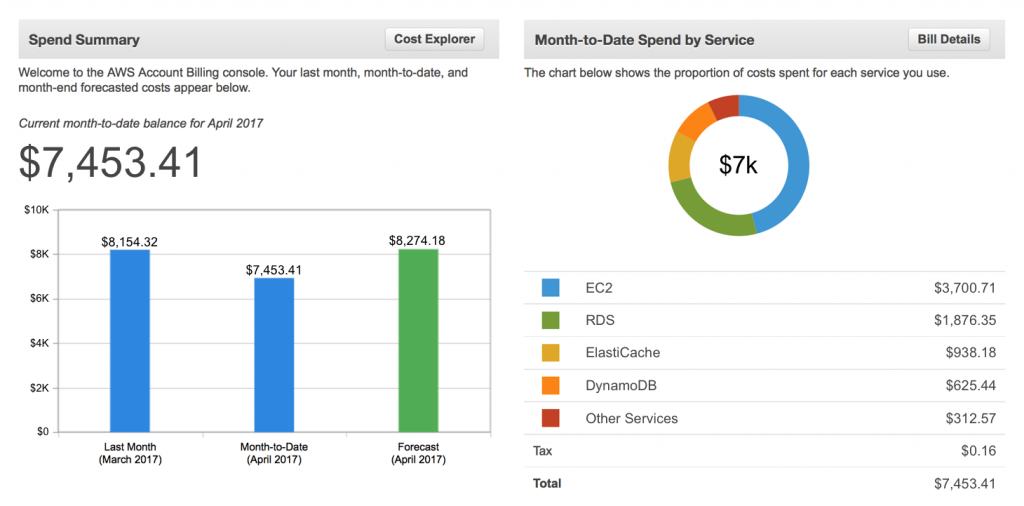
* Cost control: Without tight monitoring and optimisation, costs can climb rapidly. Several startup founders report “bills growing faster than expected”. ([Reddit][3])
* Potential vendor lock-in: Some AWS-specific services may make switching harder later.
**Best if your startup:**
* Expects to scale quickly (users, regions, features)
* Needs a wide range of services (e.g., global CDN, multi-region databases, heavy analytics)
* Has some cloud/DevOps maturity (or can invest in building it)
---
## 2. Google Cloud Platform (GCP)


**Why it’s a strong choice:**
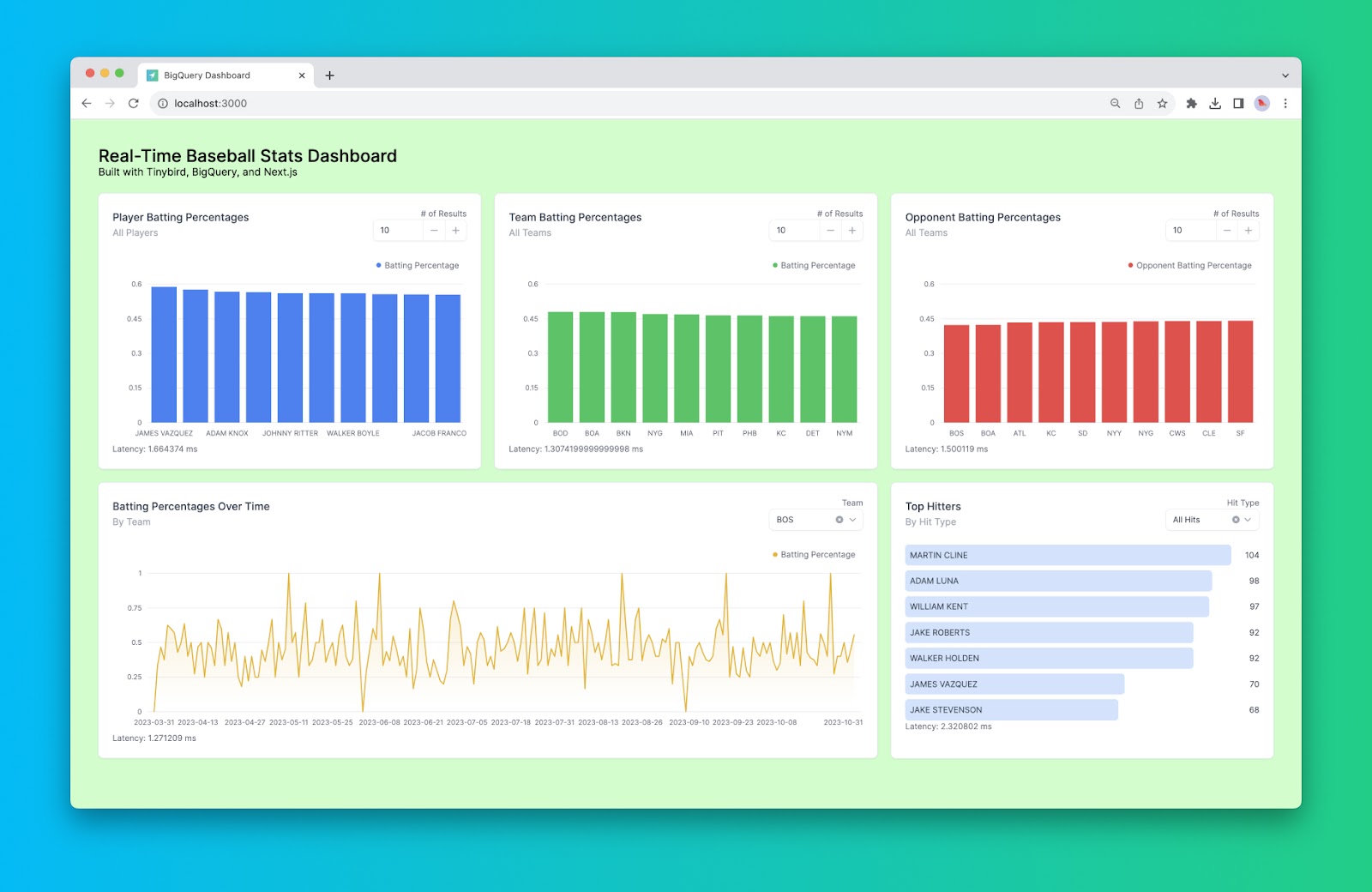
* Strong in data, analytics, ML/AI tools. If your SaaS is data-driven (analytics module, machine-learning component, or heavy back-end processing), GCP excels. ([makbtech.com][4])
* Good startup support: bigger credits in some cases, helpful onboarding. For example: “Google for Startups Cloud Program” offering up to US$200k credits over 2 years for eligible. ([makbtech.com][4])
* Developer-friendly: modern tooling, clean UI and good especially for cloud-native and containerised workloads. ([cyfuture.cloud][2])
* Global network / performance: Google’s backbone is strong.
**Things to watch:**
* Smaller ecosystem compared to AWS in some niche services / regional presence maybe slightly less broad (though still very good).
* Cost management still critical: credits help early, but post-credit phase needs good cost discipline.
* If your stack is very Microsoft/.NET heavy, integration may not be as seamless as with Azure (see below).
**Best if your startup:**
* Is building a SaaS with heavy data/analytics/ML components
* Wants a clean developer experience and modern cloud architecture
* Is in early/mid stage and can take good advantage of the startup credits
---
## 3. Microsoft Azure



**Why it’s a strong choice:**
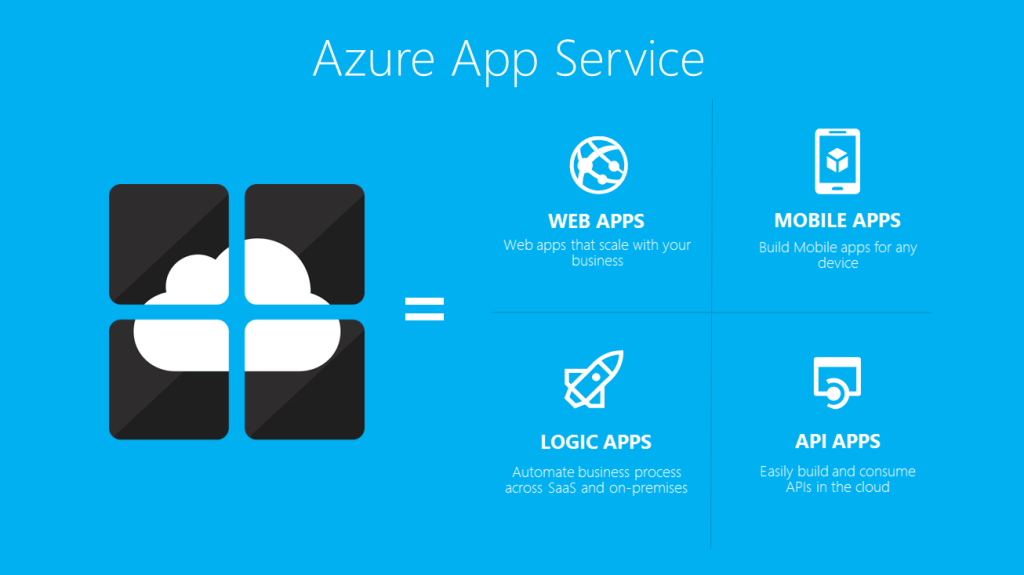
* Integration with Microsoft ecosystem: If your SaaS uses .NET, Windows Server, SQL Server, or you plan to sell to enterprises that are heavy Microsoft shops, Azure is very compelling. ([csaccept.com][5])
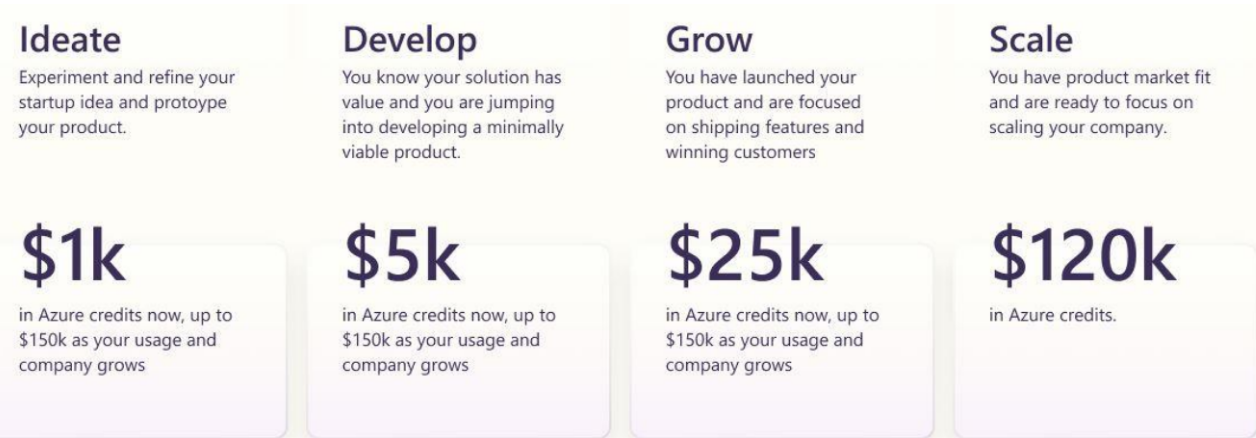
* Good startup programs: e.g., “Microsoft for Startups Founders Hub” gives credits, support and technical resources. ([csaccept.com][5])
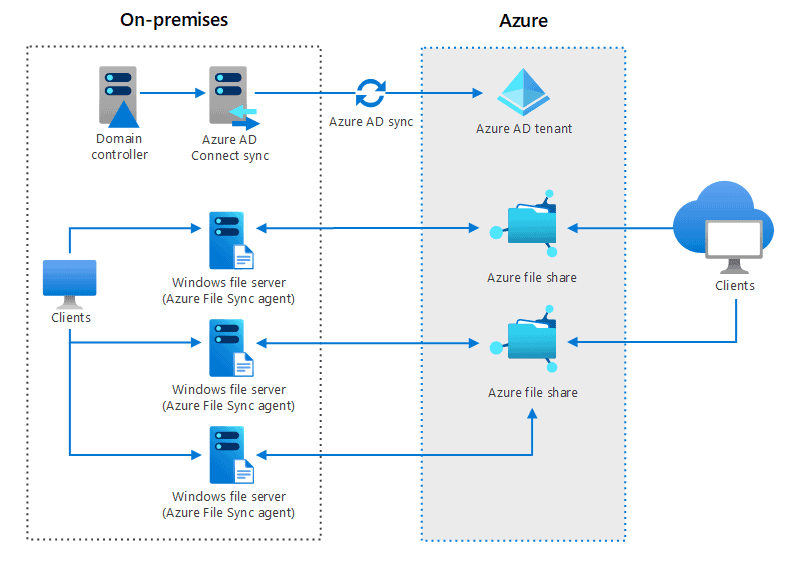
* Hybrid cloud / enterprise-ready: Good option if you plan to offer both cloud and on-premises (or more regulated) deployments.
**Things to watch:**
* Pricing & complexity: Similar to AWS, the cost models can get complex. ([csaccept.com][5])
* Learning curve if you are not already familiar with Microsoft platforms.
* If your stack is fully open source / cloud-native oriented, sometimes you may prefer GCP or others.
**Best if your startup:**
* Is deeply embedded in Microsoft technologies (.NET, Azure Active Directory, etc.)
* Needs to sell into enterprise customers who expect Microsoft compatibility
* Maybe will need hybrid or regulated-environment deployments
---
## 4. DigitalOcean



**Why it’s a strong choice (especially early-stage):**
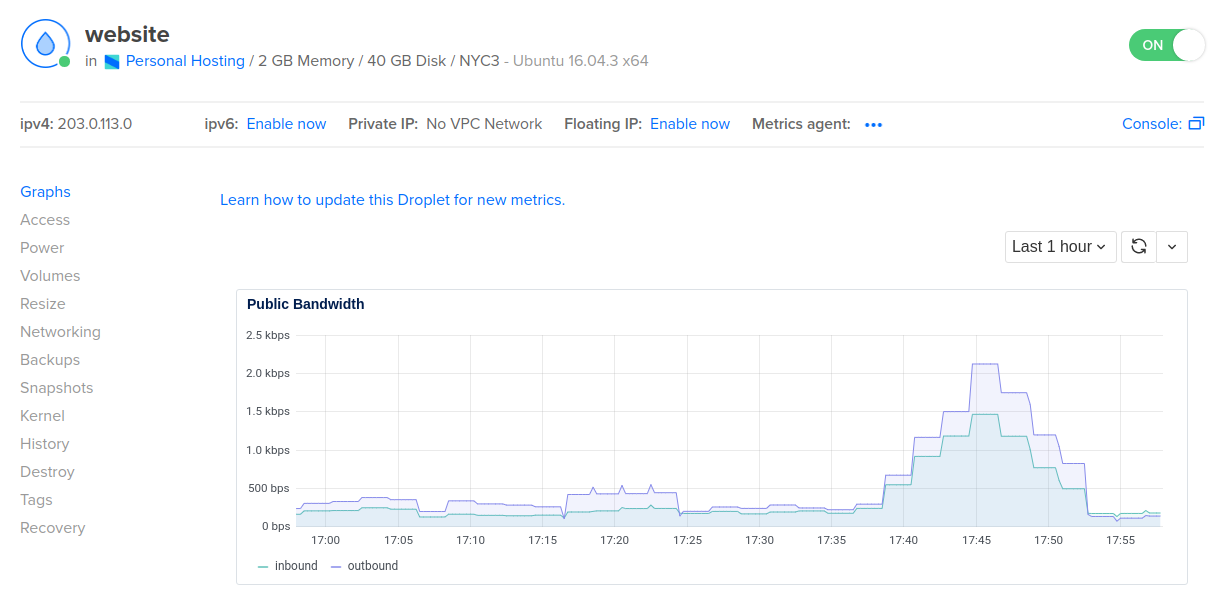
* Simplicity + developer friendliness: Very easy to get started, manage, deploy. Less overhead. ([scmgalaxy.com][6])
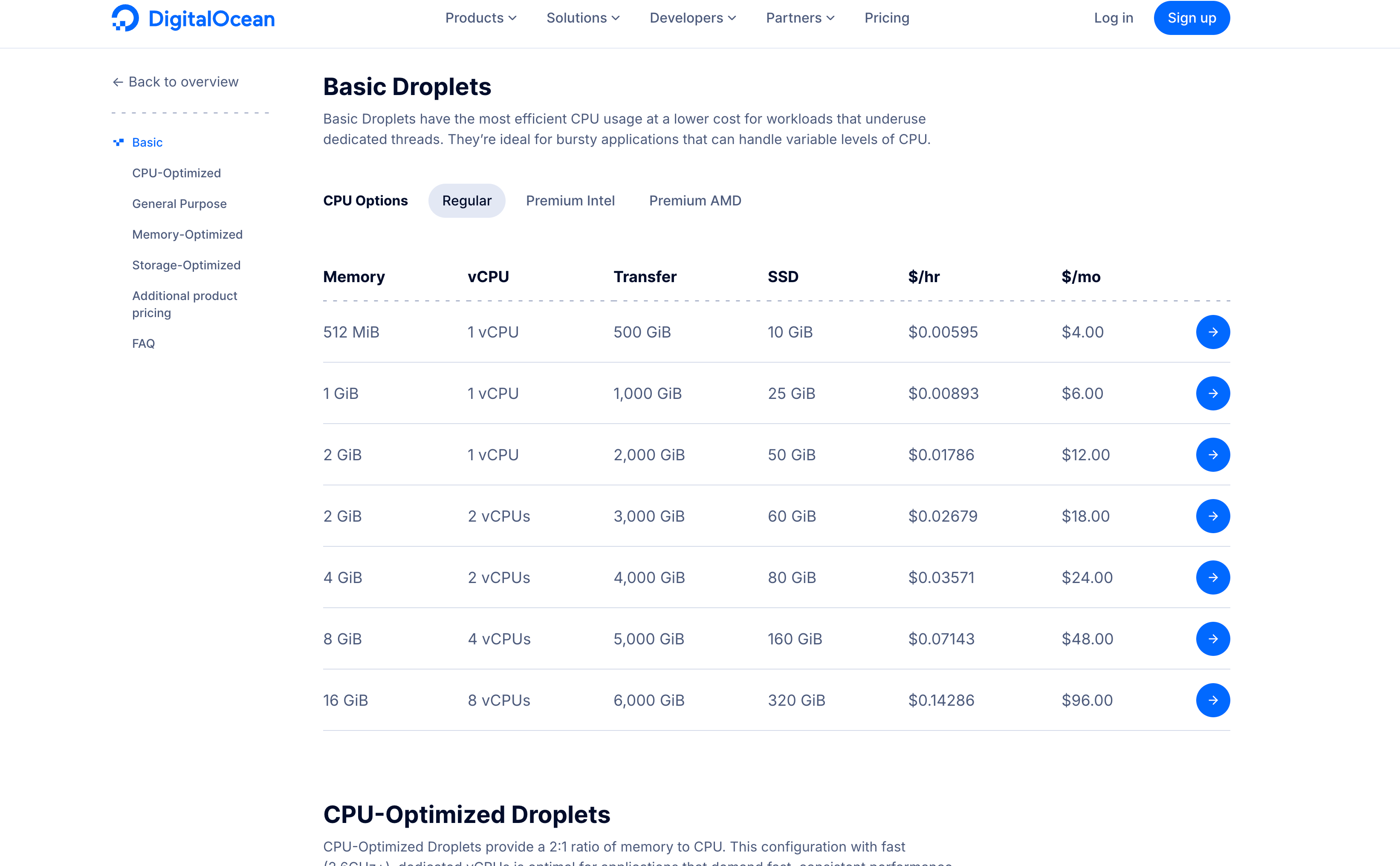
* Predictable and often lower cost: Great for smaller budgets, rapid prototyping, MVPs. ([microtica.com][7])
* Good choice when you don’t yet need “everything” that the big clouds provide.
**Things to watch:**
* Fewer advanced features / fewer global regions compared to AWS / GCP / Azure
* Might hit ceiling earlier (for very large scale, multi-region enterprise SaaS)
* Fewer enterprise-grade managed services (or more limited) than big providers.
**Best if your startup:**
* Is early stage: MVP or initial SaaS version
* Needs to move fast, control costs, build with less cloud ops overhead
* Has simpler infrastructure needs (e.g., one region, moderate traffic) and will scale later to a bigger provider as required
---
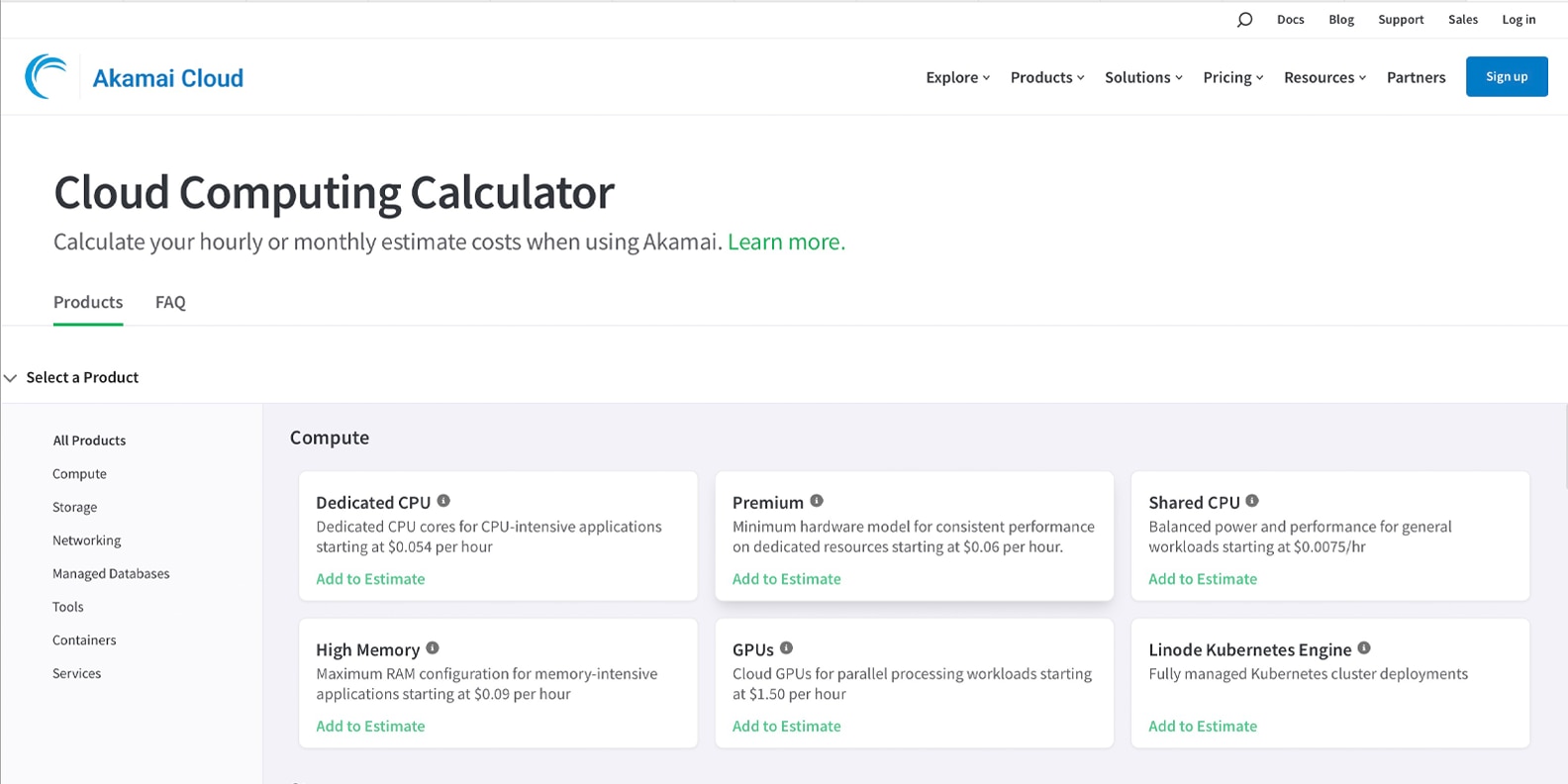
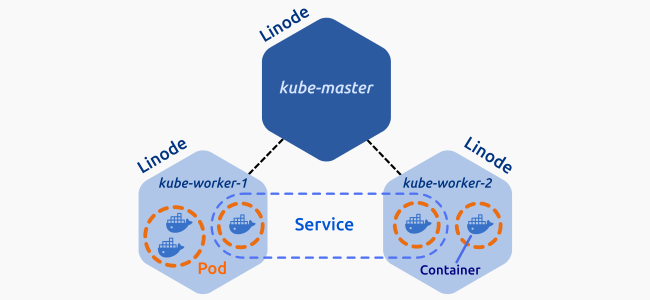
## 5. Linode (now part of Akamai)



**Why it’s worth considering:**
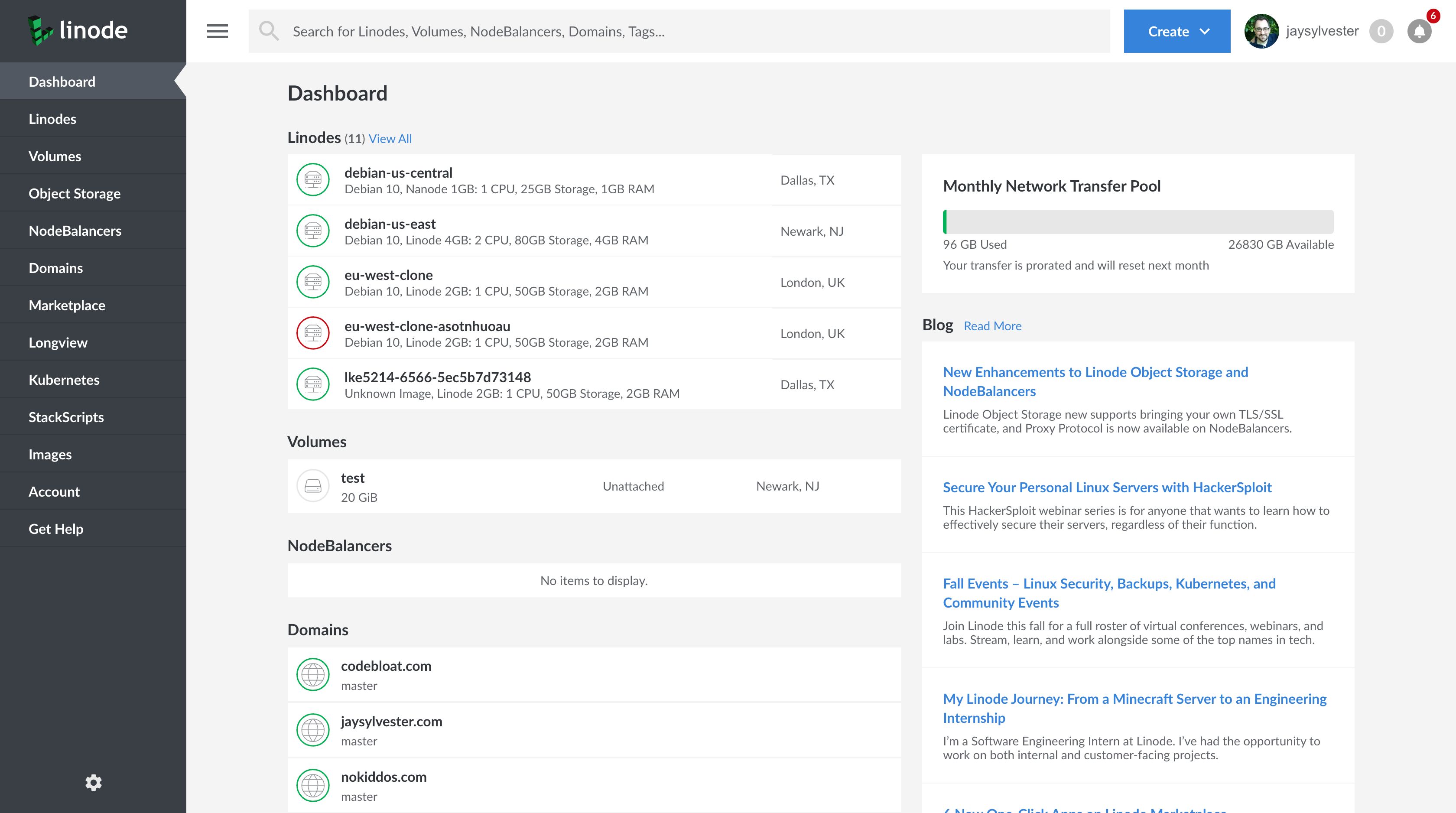
* Developer- and SMB-friendly: According to recent rankings, Linode stands out as “affordable cloud solutions” for smaller workloads. ([CloudOptimo][8])
* Transparent pricing, simpler service offering: good for lean startup teams without large DevOps budgets.
* Good stepping stone: you can begin small, then when you outgrow you could evaluate moving to a larger provider.
**Things to watch:**
* Scale limitations: For global, multi-region, enterprise-grade SaaS the very large clouds (AWS/GCP/Azure) may have more advanced offerings.
* Fewer “bells and whistles” in terms of advanced ML/AI, specialised services, marketplace integrations.
* Community and ecosystem somewhat smaller (though still solid).
**Best if your startup:**
* Is very early and cost-sensitive
* Wants to test product-market fit, build MVP with minimal infrastructure overhead
* Doesn’t yet need multi-region / huge scale / complex managed services
---
## How to Choose – Key Factors for SaaS Startups
Here are some criteria and questions you should use when selecting your cloud provider:
* **Startup credits / cost support**: What programs exist for startups (credits, free tiers, support)?
* **Scalability & global infrastructure**: Will you need to expand to multiple regions or scale fast?
* **Service breadth & depth**: Do you need advanced features (ML/AI, analytics, managed databases, serverless, containers)?
* **Tech stack alignment**: Does your architecture align (e.g., .NET, open source, microservices, containerised)?
* **Team skill set / DevOps maturity**: If your team is small/lean, simpler might be better; if you have ops resources, you can leverage more complex capabilities.
* **Cost control / billing transparency**: Are you able to estimate and control costs? How simple is pricing?
* **Avoiding lock-in / portability**: How hard will it be to move, or add multi-cloud later if needed?
* **Region / data compliance / latency**: Do you have specific regulatory or regional performance needs?
* **Support & ecosystem**: Community, third-party integrations, managed services, startup programs.
---
## My Recommendation for a Typical SaaS Startup
If I were advising a SaaS startup that’s early-stage but intends to scale:
* Start with either **GCP** (if you’re data/analytics/ML driven) or **AWS** (if you anticipate large scale, many features, global reach) — making sure you enrol in their startup credit programmes.
* If your team is small and you want to launch quickly with minimal need for complex services, **DigitalOcean** (or Linode) is a very good “lean launch” option.
* As you grow, revisit your provider and workload: you might stay, or move to / add multi-cloud or shift to a provider better aligned with your enterprise customers.
---
If you like, I can **compare pricing / startup credit programmes side-by-side** for these providers (and maybe a few more niche ones) specifically for European/Spain region (since you’re based in Salou, Spain) so you can see which gives the best value locally. Would you like that?
[1]: https://startup-central.co/choosing-the-right-cloud-provider-for-your-saas-startup/?utm_source=chatgpt.com "Choosing the Right Cloud Provider for Your SaaS Startup - Startup Central"
[2]: https://cyfuture.cloud/kb/cloud-computing/what-is-the-best-cloud-platform-for-startups-a-deep-dive-for-founders-and-builders?utm_source=chatgpt.com "What is the Best Cloud Platform for Startups? A Deep Dive for Founders and Builders"
[3]: https://www.reddit.com/r/SaaS/comments/1jbpjm1?utm_source=chatgpt.com "Best Cloud Provider for Startups – What’s Your Go-To?"
[4]: https://makbtech.com/reviews/top-5-cloud-computing-platforms-for-startups-in-2025/?utm_source=chatgpt.com "Top 5 Cloud Computing Platforms for Startups in 2025 - MAKB Tech"
[5]: https://csaccept.com/best-cloud-platforms-for-startups-in-2025/?utm_source=chatgpt.com "Best Cloud Platforms for Startups in 2025 - CS Accept"
[6]: https://www.scmgalaxy.com/tutorials/top-10-cloud-hosting-platforms-in-2025-features-pros-cons-comparison/?utm_source=chatgpt.com "Top 10 Cloud Hosting Platforms in 2025: Features, Pros, Cons & Comparison - scmGalaxy"
[7]: https://www.microtica.com/blog/cloud-hosting-for-startups?utm_source=chatgpt.com "Top 10 Cloud Hosting for Startups"
[8]: https://www.cloudoptimo.com/blog/the-10-leading-cloud-service-providers-of-2024/?utm_source=chatgpt.com "The 10 Leading Cloud Service Providers of 2024"
Brands Mentioned
1
Amazon Web Services
2
Google Cloud Platform
3
Azure
4
Digital Ocean
5
Linode